Quick answer
Empty the washer, use its approved tub-cleaning method with the correct cleaner, and wipe the accessible lid area and dispensers. Run the required rinse or cleaning finish, then let permitted surfaces dry. Clean a filter only if your model identifies it as owner-accessible. Never mix bleach with vinegar or other cleaning chemicals.
Soap and water pass through the washer, yet residue can remain under the lid and around the dispensers. Where should you start? Learning how to clean washing machine top loader surfaces means using the care method for that design, rather than copying a front-load routine and hoping the same access points apply.
This guide covers a safe cleaning cycle, accessible wiping, timing, and habits that reduce residue. You’ll learn why a top-load washer may not have a front door gasket or an owner-cleanable drain filter. Use the features on your actual machine rather than taking parts off to match a generic list.
Quick Facts
Use one approved cleaner at a time and keep hands away from a moving tub or agitator.
- Difficulty: Not specified
- Time: Not specified; cycle time varies
- Tools: Approved washer cleaner, soft cloth, soft brush for permitted dispenser care
- Part cost: Not specified
- Skill level: Not specified
Order the part with confidence
- Guaranteed to fit when you search by model number
- Same-day shipping on in-stock parts
- 365-day returns on any part
- Free tech support before and after you buy
What You Need to Clean Your Washing Machine Top Loader
Choose a cleaner approved for the washer and its cleaning cycle. A hot ordinary wash is not automatically the same as a dedicated tub-clean cycle. Dose, water level, and cycle choice depend on the design and cleaner.
Keep these items ready.
- Approved washer cleaner
- Soft damp cloth
- Soft brush for accessible dispenser residue
- Dry cloth for the exterior
Avoid mixing products to make a stronger cleaner. Bleach and vinegar must never be combined. Keep cleaning supplies away from laundry and store them safely once the task is done.
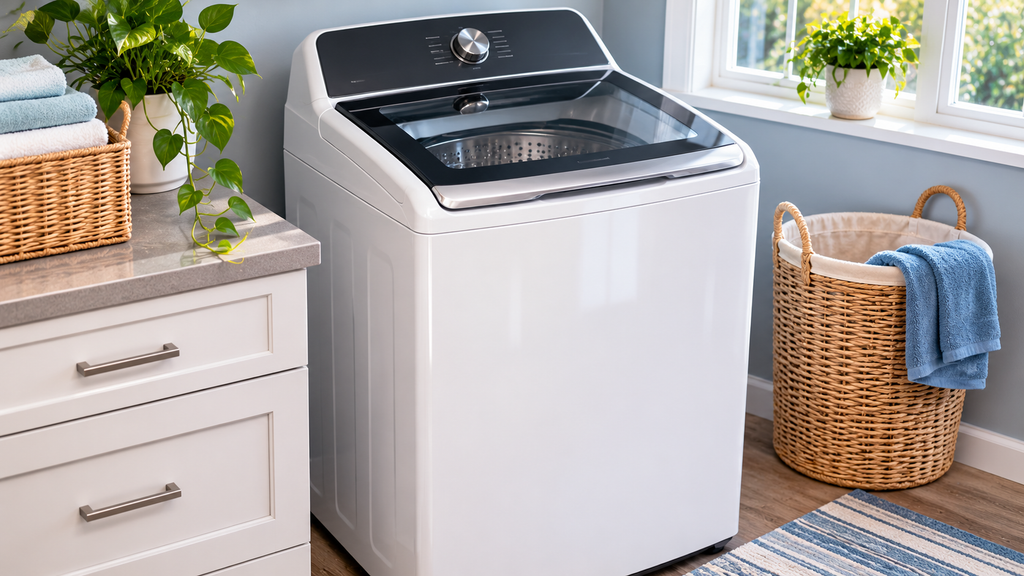
A top-load washer may use an agitator, a low wash plate, or a different dispenser layout. Identify those features before deciding what can be removed or wiped.
How to Clean Your Washing Machine Top Loader Step by Step
Follow these steps to clean the washer through its approved tub-cleaning process.
Clean the Empty Tub
- Remove all laundry and check that no small item remains in the tub.
- Add the approved cleaner to the required location in the stated amount.
- Select the model’s tub-clean cycle or specified cleaning method.
- Let the full cleaning process finish without adding clothes.
- Run any rinse required by the cleaner or washer.
Wipe Accessible Residue
- Stop the washer and disconnect power for permitted hand cleaning.
- Wipe the lid area, tub rim, and accessible dispenser surfaces with a soft cloth.
- Clean removable dispenser parts only if their removal is allowed.
- Dry the exterior and restore any removed approved parts.
- Leave the lid open for drying only where it is safe for children and pets.
Do not remove an agitator or wash plate to make the routine seem more complete.
Didn't fix it? Ask a technician on the AppliancePartsPros forum.
Post your model number, the symptom, and what you've already tried. Appliance techs and experienced DIYers answer for free, usually the same day.
Ask the forum →80,000+ solved repair threads · no account needed to readHow Often to Clean Your Washing Machine Top Loader
A monthly clean is a useful starting point from the care plan. Usage, detergent buildup, and the machine’s reminder may call for earlier attention. Wipe a spill when it happens rather than letting liquid dry beneath a dispenser cover.
What is the best way to deep clean a washing machine? Use its intended cleaning cycle and the correct product, then handle accessible residue by hand. Extra cleaner or extra detergent does not necessarily improve the result.
Once you know how to clean washing machine top loader surfaces, track the date and what you found. That can help you tell ordinary residue from an odor or leak that needs further assessment.
What Not to Use on Your Washing Machine Top Loader
Avoid these mistakes and unsafe methods.
- Do not mix cleaners, scrape coatings with metal, or pour large amounts of product into the tub because it looks dirty.
- Do not assume household vinegar is approved for every machine or cleaning task.
- A front-load washer’s door gasket routine does not transfer directly to a top-load design. Likewise, many top loaders do not have an owner-cleanable drain pump filter.
- Do not open a cabinet or hose connection searching for one.
- Keep liquid away from controls, lid-lock openings, and electrical parts.
- Do not hold a lid switch closed or bypass a lock during cleaning. If a part will not release through its intended method, stop instead of prying it off.
How to Keep Your Washing Machine Top Loader Cleaner for Longer
Keep these habits in mind during routine use.
- Use the correct detergent type and the amount suited to the load, product, and water conditions. More suds can mean more residue rather than cleaner clothes.
- Remove finished laundry promptly so wet fabric is not left in the tub unnecessarily.
- Wipe detergent drips before they become sticky.
- Allow permitted drying between loads while keeping the room safe for children and pets. A lid left open is not appropriate where someone could fall or climb into the tub.
The lasting lesson in how to clean washing machine top loader parts is to work with the design you own. Clear dispensers and a sound tub-clean routine are more useful than taking apart parts that do not need owner removal.
Frequently Asked Questions
These answers focus on a top-load washer’s actual features.
How do you clean your washing machine top loader?
Use an approved cleaner and the intended empty-tub cleaning process, then wipe the lid area, rim, and dispensers. Rinse as required and let accessible surfaces dry safely. Learning how to clean washing machine top loader parts does not require internal disassembly.
How often should you clean your washing machine top loader?
Use monthly cleaning as a planning point unless the machine or cleaner specifies a different schedule. Heavy use or visible residue may need earlier care. Keep small spills separate from the calendar routine and wipe them once safe access is available.
What should you not use when you clean your washing machine top loader?
Do not mix bleach and vinegar, combine cleaning products, use sharp scrapers, or flood controls. Avoid removing fixed parts to reach a supposed filter. Use only the cleaning methods and owner access provided for the washer.
Can you clean your washing machine top loader without taking it apart?
Yes. Most routine care uses a cleaning cycle and accessible wiping. Some dispenser pieces may be designed to lift out, but fixed tub and drive parts should remain in place. A persistent odor, leak, or unusual operation needs assessment beyond routine cleaning.
Final Thoughts: Keep It Simple and Consistent
An empty-tub clean and a few careful wiping habits keep washer care manageable. Match the method to the machine, use one suitable product, and keep notes when something changes. Buy hoses or other parts only when a confirmed need and model fit are clear.
Check your model number, then shop washing machine maintenance parts to find compatible supplies for your next care task.
Still stuck after this guide?
Two free options: post your model number and symptom on the forum, or search the model number in the shop to see every part that fits.