Quick answer
Turn off all burners and let the stove cool. Remove approved grates and burner caps, wash them as permitted, and wipe the cooktop with mild soap and a non-scratch sponge. Keep igniters and openings dry, then dry and seat the parts correctly before use. Do not move the stove or disturb the gas connection for routine surface cleaning.
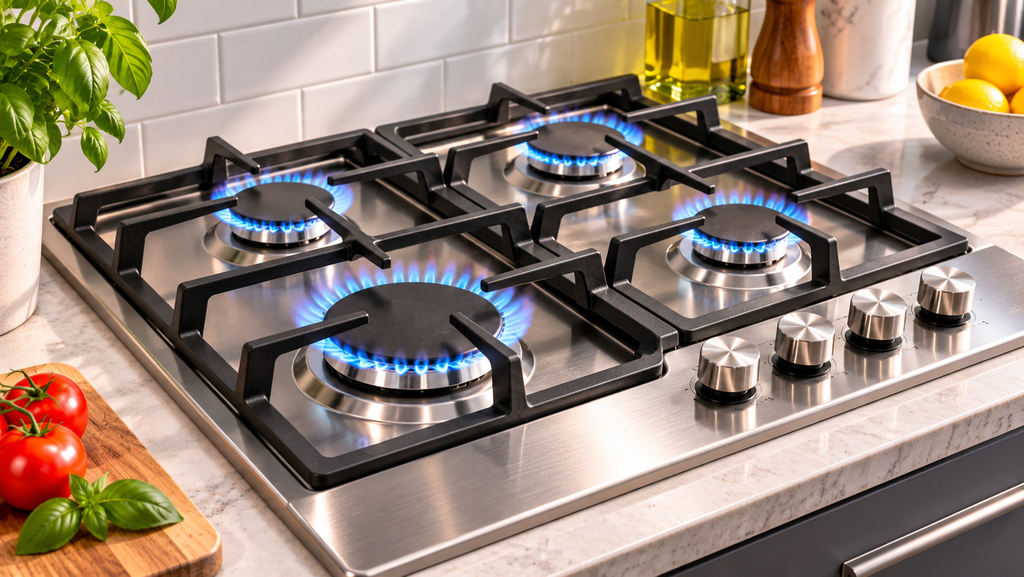
Spilled sauce is easier to deal with once the burners are off and the stove is cool. Which parts lift off, and which areas must stay dry? Knowing how to clean gas stove top surfaces helps you choose gentle supplies and clean around the ignition area without turning a spill into damage.
This guide covers supplies, the cleaning order, timing, and habits that keep spills from building up. You’ll learn where soaking helps and where water should stay out. A gas stove differs from an electric coil or glass top stove, so use the method that matches your cooktop’s finish and removable parts.
Quick Facts
Clean only with burners off and parts cool; leave the area if you smell gas.
- Difficulty: Not specified
- Time: Not specified
- Tools: Mild dish soap, non-scratch sponge, soft cloth, soft brush
- Part cost: Not specified
- Skill level: Not specified
Order the part with confidence
- Guaranteed to fit when you search by model number
- Same-day shipping on in-stock parts
- 365-day returns on any part
- Free tech support before and after you buy
What You Need to Clean Your Gas Stove Top
Start with mild soap rather than a harsh cleaner. It can lift many fresh food spills without heavy pressure. A soft cloth lets you clean around controls without flooding them. A non-scratch sponge helps with approved washable surfaces.
Gather these supplies.
- Mild dish soap
- Soft cloths
- Non-scratch sponge
- Soft brush for approved removable parts
- Basin for parts that may be soaked
A baking soda paste may suit some finishes, but check compatibility first. Do not use it as a universal cleaner for every coating. Burner grates, caps, and drip pans also differ in their washing rules. The best thing to clean the top of a gas stove with is often a mild, compatible product and patience.
How to Clean Your Gas Stove Top Step by Step
Follow these steps to clean the cool cooktop and its approved removable parts.
Wash the Parts and Wipe the Surface
- Turn off the burners and allow the stove to cool completely.
- Remove grates and burner caps that are designed for owner removal.
- Wash or soak those parts in warm soapy water only where allowed.
- Lift loose crumbs from the cooktop.
- Wipe approved surfaces with a soft soapy cloth or non-scratch sponge.
- Keep water and cleaner away from igniters, burner openings, and controls.
- Rinse the washable parts and dry them thoroughly.
- Seat each dry cap and grate in its correct position before use.
Do not clear a burner port with a pin unless the exact burner care instructions permit that tool. A wrong tool can change or damage an opening. For stubborn residue, repeat gentle compatible cleaning rather than applying more force.
Didn't fix it? Ask a technician on the AppliancePartsPros forum.
Post your model number, the symptom, and what you've already tried. Appliance techs and experienced DIYers answer for free, usually the same day.
Ask the forum →80,000+ solved repair threads · no account needed to readHow Often to Clean Your Gas Stove Top
Wipe small spills after cooking once the surface is cool. A fuller clean every two weeks is a useful starting routine from the care plan, with earlier attention after splashes or boil-overs. Heavy cooking may call for more frequent grate cleaning.
Do not wait for a smell or a burner problem to decide that old food needs removal. A thin layer is easier to lift than residue baked on through many meals.
When planning how to clean gas stove top surfaces, match the timing to the mess. There is little benefit in soaking a clean grate on schedule while leaving a fresh sticky spill around a burner.
What Not to Use on Your Gas Stove Top
Avoid these mistakes and unsafe methods.
- Avoid steel wool on enamel, harsh abrasive powders, and metal scrapers that can mark the finish.
- Do not soak igniters or flood the cooktop with cleaner. Cleaner that runs beneath a knob can reach parts you are not trying to wash.
- Do not line burner areas with foil unless the stove explicitly allows that arrangement. A makeshift liner can interfere with heat and burner operation.
- Keep cleaners intended for a glass top stove separate from gas-burner care unless compatibility is clear.
- Pulling out a gas stove to clean behind it is a different job. It can strain the gas connector and affect the anti-tip setup.
- Arrange safe handling through the installation requirements or qualified help rather than dragging it away from the wall.
How to Keep Your Gas Stove Top Cleaner for Longer
Keep these habits in mind during routine use.
- Use pans sized for the burner and keep handles positioned safely. Contain spills at the pan instead of letting them run beneath grates.
- Let the stove cool before wiping, even when the mess seems small.
- Keep the grate and cap positions familiar so each part returns to the right place after cleaning.
- Do not swap caps because they look similar. A clean burner still needs its parts seated correctly.
The useful habit in how to clean gas stove top surfaces is a quick check after each cooking session. Look for food, moisture around igniters, and a part left out of place. Short care is easier than a long scrape later.
Frequently Asked Questions
These answers cover routine surface cleaning, not gas-system service.
How do you clean your gas stove top?
Cool the stove, wash approved removable parts, and wipe compatible surfaces with mild soap. Keep the ignition area dry and replace each part correctly. Learning how to clean gas stove top surfaces does not require lifting the cooktop or disconnecting a gas line.
How often should you clean your gas stove top?
Wipe after cooking once the surface is cool and plan a fuller clean around every two weeks, sooner for spills. Grates and caps may need different timing from the flat surface. Let visible residue guide the schedule rather than waiting for heavy buildup.
What should you not use when you clean your gas stove top?
Avoid steel wool, sharp tools, incompatible cleaners, and water poured over the burner area. Do not use a pin in burner ports without explicit permission for that burner. Do not spray controls directly or soak electrical ignition parts.
Can you clean your gas stove top without taking it apart?
You can wipe much of the visible cooktop without disassembly. Approved grates and caps may lift off for easier washing. Leave fixed burner parts and the gas connection alone. Get help if cleaning would require opening areas not intended for owner access.
Final Thoughts: Keep It Simple and Consistent
A cool stove, mild cleaner, and correctly seated parts keep the routine simple. Clean small spills before they build up and stop where gas or internal access begins. Keep model details handy when a worn cap or grate needs replacement.
Check your model number, then shop stove maintenance parts to find compatible supplies for your next care task.
Still stuck after this guide?
Two free options: post your model number and symptom on the forum, or search the model number in the shop to see every part that fits.