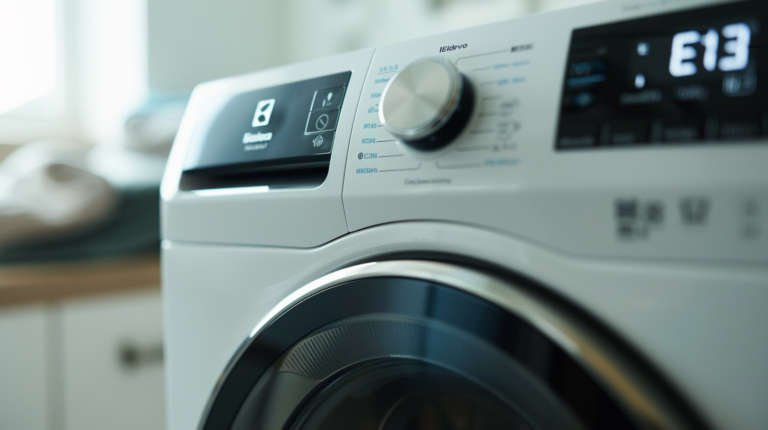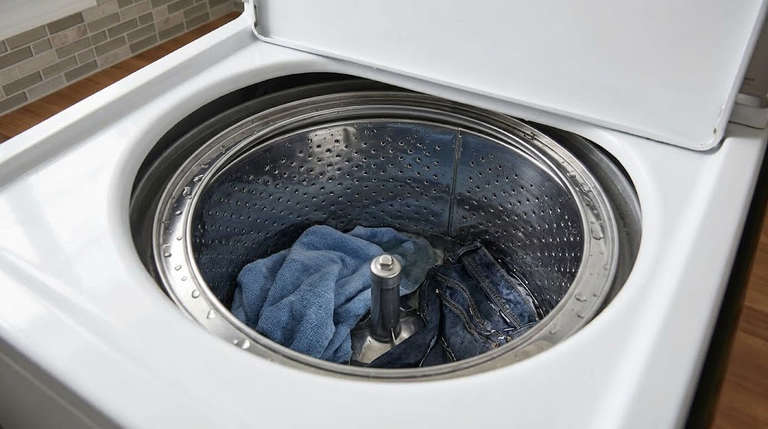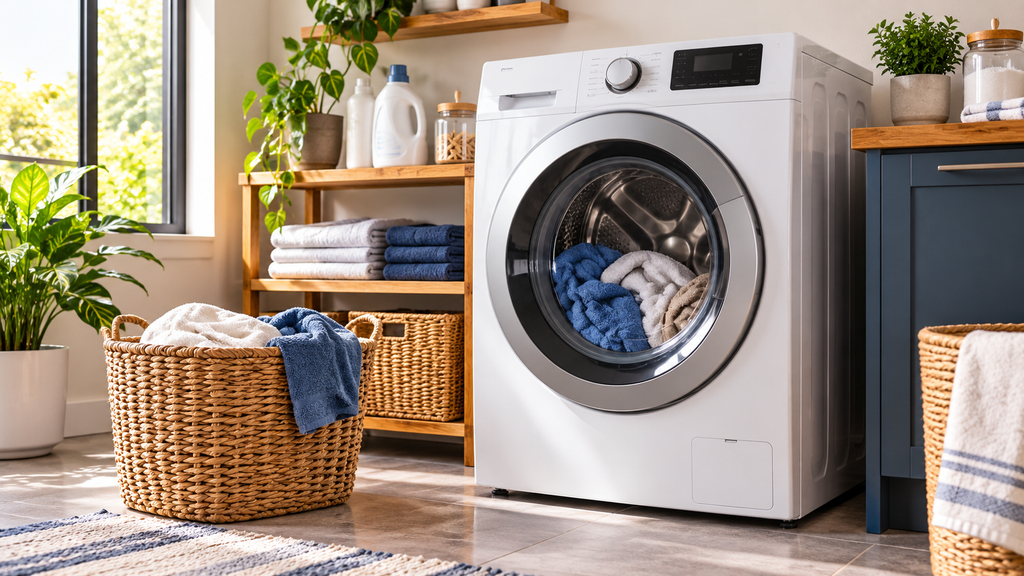
Washing machine smells often grow stronger when most loads use cold water and short cycles. Low temperatures save energy and protect many fabrics, but body oils, detergent, softener, and lint can stay inside damp washer parts. Bacteria and mildew feed on that residue. The odor may spread from the gasket, dispenser, drain filter, tub, or drain.
Cold washing can remain part of a good laundry routine. The washer simply needs the right detergent amount, drying time, and regular hot cleaning cycle when the manual permits it.
Where the Odor Usually Starts
The smell location can narrow the cleaning work.
- A musty odor at the door points to a wet gasket or trapped lint.
- A sour smell in the dispenser points to detergent and softener residue.
- A sewage odor near the drain points to a hose or household drain issue.
- A stale smell only after long idle periods points to trapped water.
- An oily smell can come from heavy product buildup.
- A hot rubber or electrical smell signals a fault rather than dirt.
Does the empty washer smell before a cycle starts? Check each area while the machine is cool and dry.
Safety First
- Unplug the washer before cleaning the filter or reaching into the drum.
- Wear gloves when handling moldy residue or drain water.
- Never mix chlorine bleach with vinegar, ammonia, or other cleaners.
- Use only the cleaning product approved for the washer.
- Keep children and pets away from an open washer.
- Stop using the machine if the smell is electrical, smoky, or like burning rubber.
How to Remove Washing Machine Smells
Clean the parts that hold residue, then run the approved maintenance cycle.
Clean the Gasket and Dispenser
- Unplug the washer and remove all clothing.
- Pull out removable dispenser cups and inserts.
- Wash them with warm water and mild dish soap.
- Wipe the dispenser housing with a soft cloth.
- Open each fold of a front-load door gasket.
- Remove lint, hair, and small objects.
- Wipe the gasket with the cleaner listed in the manual.
Clean the Filter and Drain Area
- Place towels and a shallow pan near the filter door.
- Open the service flap only if the manual identifies a user-cleanable filter.
- Drain water through the small hose when the model has one.
- Turn the filter out slowly.
- Remove lint, coins, and debris.
- Wash the filter and inspect its seal.
- Reinstall the filter firmly without overtightening it.
Run the Washer Cleaning Cycle
- Plug the empty washer back in.
- Select the tub-clean or self-clean setting.
- Add the approved cleaner in the listed location.
- Run the full cycle without clothing.
- Run an extra rinse if cleaner remains.
- Wipe the drum, gasket, lid, and door dry.
- Leave the door and dispenser open for airflow.
Use the Right Amount of Detergent
More soap can leave more residue. High-efficiency machines use little water, so extra detergent may stay behind after the rinse.
Better detergent habits include:
- Use HE detergent when the washer calls for it.
- Measure for the load size and soil level.
- Reduce the amount in very soft water.
- Keep detergent dry and close the package.
- Clean the dispenser before thick product blocks its channels.
- Skip extra softener when residue returns quickly.
- Choose an extra rinse for loads that hold a lot of soap.
Suds remaining on the door or drum after the final rinse suggest too much product.
Balance Cold Loads With a Maintenance Cycle
Cold cycles work well for lightly soiled clothing, but the washer still benefits from periodic heat when its manual allows it.
A balanced routine includes:
- Use the warmest safe setting listed on the fabric care label for greasy loads.
- Run the washer’s cleaning cycle on its recommended schedule.
- Wash towels or cleaning cloths on an approved warm or hot cycle when suitable.
- Avoid using only quick cycles for every load.
- Remove clothing as soon as the cycle ends.
- Dry the door glass and gasket after the last load of the day.
The aim is to clear oils and moisture without exposing delicate fabric to unwanted heat.
Check the Drain Hose and Household Drain
A clean tub cannot fix odor pulled back from a drain. The hose needs the height, air gap, and insertion depth listed in the installation guide.
Drain warning signs include:
- The smell resembles sewer gas.
- Water returns to the tub after the cycle.
- The washer drains slowly or makes repeated pump sounds.
- The hose is pushed far down the standpipe.
- The standpipe overflows during draining.
- The odor grows stronger when a nearby sink drains.
A plumber may need to check a blocked trap or vent. A technician can test the washer pump when water stays in the machine.
Prevent Odor Between Cold Washes
Daily habits can keep a clean washer fresh.
- Leave the door or lid open when the washer is empty and safe from children.
- Keep the dispenser partly open so it can dry.
- Wipe water from the gasket after the final load.
- Remove wet laundry at once.
- Check pockets for tissues and food residue.
- Measure detergent for each load.
- Clean the filter on the schedule in the manual.
- Run a full maintenance cycle before odor returns.
Keep a simple cleaning note near the laundry area. Record the date of each tub-clean cycle and filter check. The note helps reveal whether odor returns after a certain load type, long idle period, or product change. It also prevents repeated strong cleaning when a drain problem is the real cause.
After the washer is fresh, wash one ordinary towel load and smell the items after drying. Clean laundry with a neutral smell shows that residue has left the tub. Odor that transfers at once may require another rinse, a drain check, or service.
Related guides
What’s Next?
Washing machine smells after cold washes usually come from trapped moisture, product residue, lint, or slow drainage. Cleaning the gasket, dispenser, filter, and tub removes the places where odor grows. Correct detergent use and regular maintenance cycles help cold washing stay effective. A sewer odor, standing water, or burning smell needs a drain or service check before the next load.
With the cause confirmed, order the washer parts for your exact model and keep the old part until the repair has passed a full cycle.