A water heater works every day, but most people forget about it. You turn on the tap, and hot water comes out. Simple, right? But inside the tank, something important is happening. A small part called the anode rod is working hard to stop rust.
Many homeowners never check this part. They only notice a problem when the water looks rusty or smells odd. That is why water heater anode rod inspection matters.
This guide will show you how to check the anode rod, spot rust early, and keep your water heater in good shape. Ready to learn something useful that can save you money?
What Is an Anode Rod and Why Does It Matter?
An anode rod is a long metal rod inside your water heater tank. Its job is to attract corrosion. Instead of the tank rusting, the rod takes the damage.
You can think of it like a shield. It protects the inside of the tank by wearing down first. That is why it is called a sacrificial rod.
If the rod wears out, the tank loses protection. When that happens, rust can spread inside the heater.
- Attract rust and corrosion away from the tank
- Help the tank last longer
- Keep water cleaner
- Reduce damage inside the heater
Why Water Heater Anode Rod Inspection Is Important
Have you ever waited too long to fix something small, only for it to become a big problem? That can happen with water heaters, too.
A regular water heater anode rod inspection helps you catch problems early. It tells you if the rod is still doing its job.
If you skip this check, rust can grow inside the tank without you knowing. By the time you see signs, it may already be too late.
Problems if you skip inspection
- Rust spreads inside the tank
- The heater may fail sooner
- Water may look dirty or brown
- Repairs can cost more
- You may need a full replacement
A quick check every few years can help you avoid all of this.
Signs Your Anode Rod May Have Rust or Corrosion Problems
You do not always need to open the tank to notice a problem. Your water heater often gives clues.
Have you noticed anything strange with your hot water?
- Rust-colored water from hot taps
- Metallic or rotten smell
- Popping or rumbling sounds
- Rust near the top of the tank
- Older heater with no past inspection
- Water looks cloudy or dirty
These signs do not always mean the rod is bad, but they are strong hints. It is better to check early than wait.
How Often Should You Inspect an Anode Rod?
Most homes should have the rod inspected every 2 to 3 years. That is a good starting point.
But not all homes are the same. Some rods wear out faster.
Factors that affect inspection timing
- Hard water can wear the rod faster
- Softened water can also speed up wear
- Large families use more hot water
- Older heaters need more checks
- Different rod materials wear at different rates
If you are unsure, checking once a year is a safe choice.
Tools and Safety Items You May Need
You do not need many tools, but having the right ones makes the job easier.
- Socket wrench
- Proper socket size
- Breaker bar
- Garden hose
- Bucket
- Gloves
- Safety glasses
- Rag or towel
Simple tools can make a big difference. Have everything ready before you start.
Safety Steps Before You Start
Safety comes first. Water heaters hold hot water under pressure. You should take a few steps before touching anything.
- Turn off power at the breaker for electric heaters
- Turn gas to pilot or off
- Shut off cold water supply
- Let hot water cool down
- Open a hot tap to release pressure
- Drain a small amount of water if needed
Why take these steps? Because hot water and pressure can be dangerous. A few minutes of prep can keep you safe.
Where the Anode Rod Is Usually Located
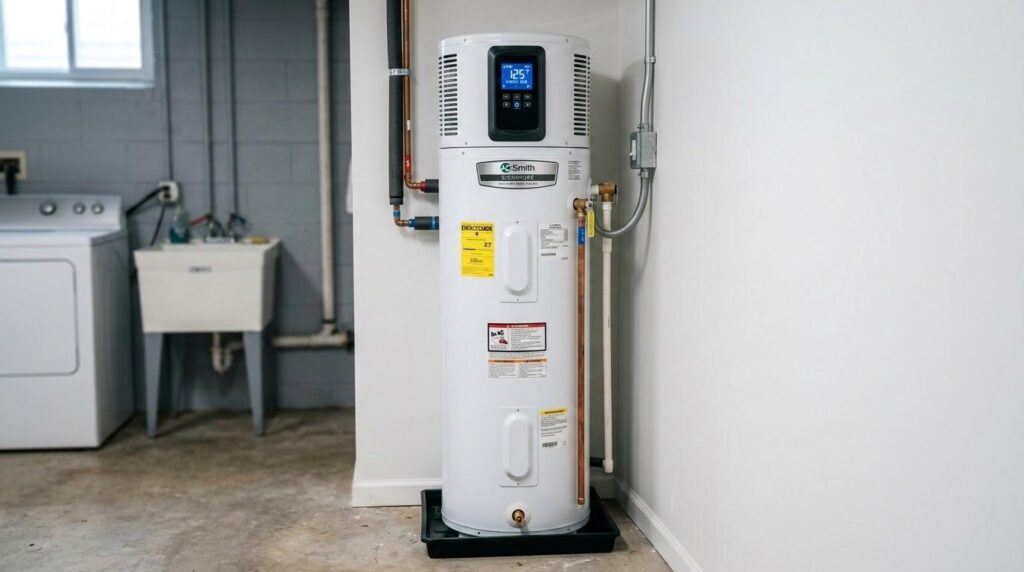
In most water heaters, the anode rod is on top of the tank. It often looks like a large bolt head.
Sometimes it is hidden under a plastic cap. In other models, it may be connected to the hot water outlet. Not sure where yours is? Check the manual. It can save time and guesswork.
Step-by-Step Water Heater Anode Rod Inspection
Now let’s get into the main part. Follow these steps carefully.
Step 1: Turn off the heater and prep the tank
Turn off the power or gas. Shut off the water supply. Let the tank cool. Open a hot tap to release pressure.
Step 2: Find the anode rod
Look at the top of the heater. Find the hex-shaped head. Remove any cover if needed.
Step 3: Loosen the rod
Use your socket wrench. If it is tight, use a breaker bar. Some rods are very hard to loosen.
A helper can hold the tank steady while you turn.
Step 4: Pull out the rod
Slowly lift the rod out. Be careful if space is tight above the heater.
Step 5: Inspect the rod
This is the key part of water heater anode rod inspection.
Look closely at the rod. Ask yourself:
- Is most of the rod gone?
- Do you see a thin wire core?
- Is there heavy rust or buildup?
If yes, the rod is worn out.
Step 6: Check the opening area
Look inside the opening. Do you see rust flakes or buildup? This may mean corrosion has started inside.
Step 7: Reinstall or replace
If the rod still looks good, put it back. If not, replace it with a new one.
What Rust and Corrosion Look Like on an Anode Rod
Not sure what to look for? Let’s make it simple.
Rod in good condition
- Thick metal still present
- Light wear only
- Core wire barely visible
Rod in poor condition
- Large parts missing
- Core wire clearly exposed
- Heavy crust or buildup
- Surface looks rough or broken
If the rod looks badly worn, it is time to replace it.
Different Types of Anode Rods and Why It Matters
Not all rods are the same. The material affects how fast they wear.
- Magnesium rods
- Aluminum rods
- Zinc-aluminum rods
Each type works best in certain water conditions. Choosing the right one helps protect your tank better.
When Inspection Shows Bigger Trouble
Sometimes the problem is bigger than the rod.
Have you seen rust on the tank itself? That is a warning sign.
- Rust on the outside of the tank
- Water leaking from the tank
- Dirty water even after maintenance
- Corrosion on valves or fittings
- Very old water heater
If you see these, the tank may be near the end of its life.
Common Mistakes to Avoid During Inspection
Even simple jobs can go wrong. Avoid these mistakes.
- Not turning off power or gas
- Working with hot water
- Using the wrong tools
- Forcing the rod without support
- Damaging the threads
- Waiting too long to check
- Ignoring early warning signs
Take your time and work carefully.
Tips to Help Prevent Rust and Corrosion
Inspection is just one part of care. Good habits can help your heater last longer.
- Check the rod on schedule
- Flush the tank to remove buildup
- Watch for changes in water color
- Fix small leaks quickly
- Follow the manual guidelines
- Keep track of inspection dates
Small actions can prevent big problems.
Looking Ahead
A water heater works hard every day. Taking care of it does not have to be hard. A simple water heater anode rod inspection can help you stop rust before it spreads. It can protect your tank, improve water quality, and save money over time. So ask yourself this. When was the last time you checked your anode rod? If you are not sure, now is a great time to start.