Have you ever heard a strange popping or rumbling sound coming from your water heater? Or noticed that your hot water runs out faster than it used to? If so, sediment buildup could be the problem. The good news is that flushing water heater sediment is something most homeowners can do on their own, without spending money on a plumber.
This guide walks you through everything you need to know, from why sediment builds up to how to safely flush your tank at home.
Quick diagnosis table
Most trouble during a flush comes from the hose or the drain valve, so check those before anything else.
| Symptom detail | Likely cause | What to check | Fix or part |
|---|---|---|---|
| Popping or rumbling from tank | Water trapped under sediment | Listen during heating cycle | Flush the tank |
| Hot water runs out fast | Sediment taking up tank space | Note run time versus before | Flush the tank |
| Water will not drain | Kinked hose or blocked valve | Check hose, open hot faucet | Straighten hose, clear valve |
| Drain valve stuck | Stiff valve | Try gently, do not force | Use small wrench, or call plumber |
| Water still dirty after flush | Heavy sediment buildup | Watch drain water color | Repeat cold water bursts |
| Leak around drain valve | Worn or not fully closed valve | Inspect valve after closing | Tighten or replace drain valve |
What Is Water Heater Sediment and Why Does It Matter?
Water carries tiny minerals in it, especially in areas with hard water. Minerals like calcium and magnesium are the most common. When water gets heated inside your tank, these minerals separate from the water and sink to the bottom. Over time, they form a thick layer of sediment, which is basically a mix of mineral deposits, sand, and other debris.
This buildup happens slowly, so many homeowners do not notice it right away. But ignoring it can lead to real problems, including:
- Reduced heating efficiency because the heating element has to work through the sediment layer
- Higher energy bills since the heater uses more power to heat water
- Rumbling or popping noises caused by water bubbling under the sediment
- Shorter water heater lifespan due to extra strain on the tank
- Less hot water available since the sediment takes up space in the tank
Signs Your Water Heater May Need Flushing
How do you know when it is time to act? Here are some clear signs to watch for:
Strange Noises
Popping, rumbling, or cracking sounds during a heating cycle are one of the most common signs. These sounds happen when water gets trapped under the sediment and tries to escape as the tank heats up.
Changes in Hot Water Performance
- Hot water runs out much faster than it used to
- Water takes longer to reach the right temperature
- The water temperature is not consistent
Visible Warning Signs
- Dirty or discolored water coming from your hot water tap
- Small bits of debris in the water
- Utility bills going up without any other clear reason
Even if you have not noticed any of these signs yet, flushing water heater sediment once a year is a smart habit. Think of it the same way you think about changing your air filters or cleaning your gutters. Doing it before problems show up keeps things running well.
Can You Flush Water Heater Sediment Yourself?
Yes, for most standard home water heaters, this is a task you can handle on your own. You do not need special skills. You just need to be comfortable turning off utilities and connecting a simple garden hose.
When to DIY
- Your tank is a standard residential water heater
- There are no signs of cracks, rust, or major leaks
- You are willing to follow safety steps carefully
When to Call a Plumber Instead
There are some cases where doing it yourself is not the right call:
- The tank has visible rust or corrosion
- There is a severe or active leak
- The drain valve is broken
- The water heater is very old and may not restart properly
- You notice a gas smell near a gas water heater
For routine maintenance, though, most homeowners can handle this job and save themselves the cost of a service call.
Tools and Supplies You Will Need
Before you start, gather everything you need, so you are not running around mid-task.
- A garden hose long enough to reach a safe drainage area
- A bucket (helpful if your hose is short)
- A flathead screwdriver or small wrench (only needed if the drain valve is stiff)
- Work gloves to protect your hands
- Old towels or rags to catch drips
- A flashlight to see the drain valve clearly
- Water-resistant shoes in case of spills
- A helper if this is your first time
Make sure the other end of your hose drains somewhere safe. Good options include a floor drain, your driveway, or a utility sink. Avoid draining near plants or grass since hot water can damage them.
Safety Steps Before You Begin
Do not skip this part. Working with a water heater involves hot water, electricity, or gas, so safety matters.
- Turn off the power or gas. For electric heaters, switch off the breaker. For gas heaters, set the control to pilot or off based on your model’s instructions.
- Shut off the cold water supply. This valve is usually located above or near the tank. Closing it stops new water from entering while you drain.
- Let the water cool if needed. If the heater was recently running, the water inside can be dangerously hot. Waiting a few hours reduces the risk of burns.
- Double-check your setup. Make sure the hose is attached firmly and your drain area is clear. Keep children and pets away from the work area.
How to Flush a Water Heater Sediment
Follow these steps carefully and take your time.
Step 1: Turn Off the Heater
Switch off the power at the breaker or set a gas heater to pilot. Never work on a live heating system.
Step 2: Shut Off the Cold Water Supply
Find the cold water shut-off valve above the tank and close it fully.
Step 3: Connect a Garden Hose to the Drain Valve
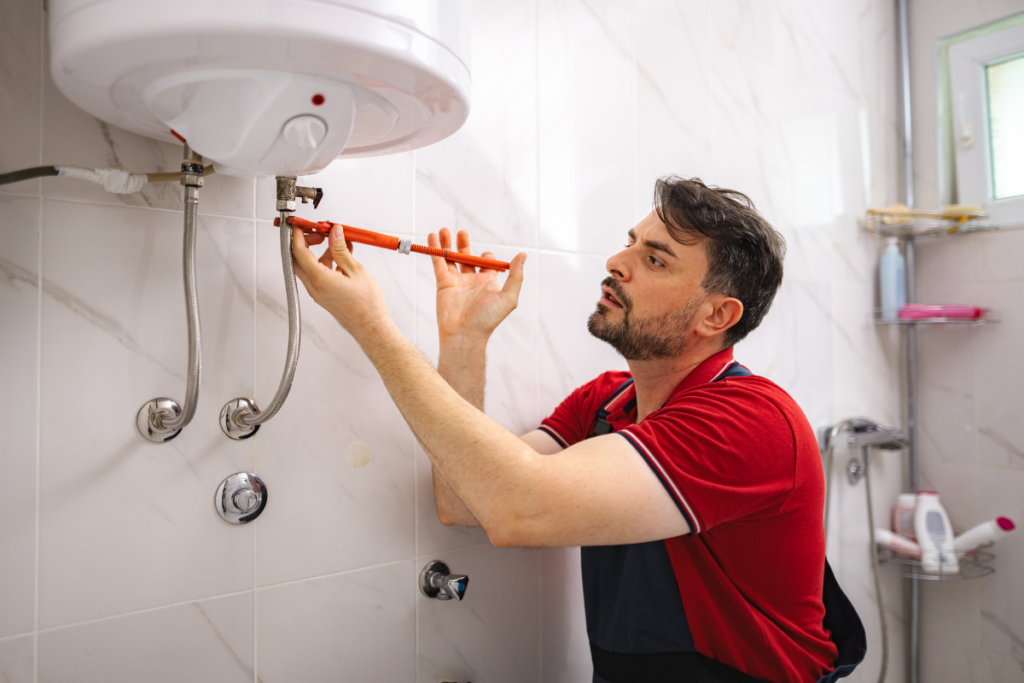
The drain valve looks like a spigot near the bottom of the tank. Attach your hose securely and run the other end to your chosen drainage area.
Step 4: Open a Nearby Hot Water Faucet
Turn on a hot water faucet in your home, like a bathroom or kitchen sink. This reduces pressure in the tank and helps it drain more smoothly. Leave it open throughout the process.
Step 5: Open the Drain Valve
Slowly open the drain valve. Water will begin to flow out through the hose. Do not be surprised if the first water looks cloudy or brown. That is the sediment coming out.
Step 6: Drain the Tank Completely
Be patient. Depending on your tank size, this can take 20 to 45 minutes. If the flow slows down, sediment may be partly blocking the valve opening.
Step 7: Turn the Cold Water Back On Briefly
Once the tank is mostly empty, turn the cold water supply back on for a minute or two. This stirs up any remaining sediment at the bottom and pushes it toward the drain. This step makes flushing water heater sediment much more thorough.
Step 8: Repeat Until Water Runs Clear
Turn the cold water off again, let it drain, then repeat short bursts until the water flowing out looks clear with little to no debris. This is the key step in proper water heater sediment cleanup.
Step 9: Close the Drain Valve and Disconnect the Hose
Make sure the drain valve is fully closed before you remove the hose. A loose valve can cause a slow leak.
Step 10: Refill the Tank
Turn the cold water supply back on and let the tank fill up. Keep that hot water faucet open until the air stops sputtering and a steady stream of water flows out. This means the tank is full.
Step 11: Restore Power or Gas
For electric heaters, wait until the tank is completely full before turning the breaker back on. Turning it on with an empty or partly full tank can burn out the heating element. For gas heaters, follow your model’s relight instructions.
How to Know the Flush Worked
After flushing water heater sediment, you should notice some improvements fairly quickly:
- Clearer water with less cloudiness or debris
- Quieter tank with fewer or no popping sounds
- Better hot water performance including faster heating and more consistent temperature
- Greater confidence knowing your water heater is well-maintained
Common Problems During DIY Flushing
Things do not always go perfectly. Here is what to do if something seems off:
- Water will not drain: Check if the hose is kinked, the hot faucet is open, or sediment is blocking the valve.
- Drain valve is stuck: Do not force it hard. Too much pressure can break the valve and create a bigger problem.
- Water still looks dirty after one flush: Heavy buildup may need several rinse cycles. Keep going until it clears.
- Noises continue after flushing: Some sediment may still remain, or the buildup could be severe enough to need a professional inspection.
- Leaking around the valve: This may mean the valve is worn or not fully closed. Inspect it carefully and replace it if needed.
How Often Should You Flush a Water Heater?
For most homes, once a year is the right schedule. However, some homes may need it more often:
- Homes with hard water
- Large households with heavy hot water use
- Older water heaters with a history of buildup
Regular flushing prevents heavy sediment layers from forming, which makes each future flush faster and easier.
Tips to Make Annual Maintenance Easier
- Add it to your home calendar. Pick the same month every year so it becomes a routine.
- Inspect the tank while you are there. Look for corrosion, rust near fittings, or small leaks around valves.
- Think about your water quality. If you have hard water, consider a water softener to slow down future buildup.
- Check the water you drain. If you see heavy rust or debris, that is a sign you should flush more often.
Quick Yearly Water Heater Flush Checklist
- Turn off power or gas
- Shut off cold water supply
- Let water cool if needed
- Attach garden hose to drain valve
- Open a hot water faucet
- Drain the tank
- Flush with short bursts until water runs clear
- Close the drain valve
- Refill the tank
- Restore power or gas
- Check for normal operation
Also Read: Water Heater Installation Basics: A Step-By-Step Guide
Related guides
- Water Heater Draining and Sediment Flush
- Kenmore Electric Dryer Not Drying? Quick Troubleshooting and Maintenance Guide
Final Thoughts
Learning how to handle flushing water heater sediment is one of the simplest ways to protect your home and your wallet. It does not require special skills or expensive tools. With a garden hose, some patience, and the steps in this guide, most homeowners can take care of this task on their own.
The key is not to wait until problems show up. A simple yearly flush keeps your water heater running efficiently, reduces strange noises, and helps you avoid costly repairs down the road. Start making it a regular part of your home maintenance routine, and your water heater will thank you for it.