Quick answer
Keep a weekly eye on clear air paths and normal heating. Review the correct filter and care records monthly, using the filter’s actual service needs. Arrange required professional service before winter. Leave internal burners, flame sensors, blower motors, heat exchangers, wiring, and fuel work to qualified service rather than adding them to a generic home cleaning list.
Service dates, filter checks, and small changes are easy to forget between heating seasons. What would help you keep them straight? A furnace maintenance checklist puts those details together, so you can review clear vents and accessible filters without relying on memory or opening parts intended for trained service.
This guide divides care into weekly, monthly, and seasonal tasks. You’ll learn what to record and which jobs need a trained service provider. Furnace designs and fuel types differ, so keep the details matched to your model. A calendar is a useful reminder, but a new leak, odor, or abnormal stop should never wait for the next check date.
Quick Facts
Keep internal service with trained help; leave the area for fuel odor or a carbon monoxide alarm.
- Difficulty: Not specified
- Time: Not specified
- Tools: Correct filter where fitted, service log, soft cloth for cool exterior
- Part cost: Not specified
- Skill level: Not specified; owner care is limited to permitted tasks
Order the part with confidence
- Guaranteed to fit when you search by model number
- Same-day shipping on in-stock parts
- 365-day returns on any part
- Free tech support before and after you buy
Why a Furnace Checklist Pays Off
A dated checklist removes a common guess: when was the filter last checked? It also gives each task a place so one chore does not stand in for all the others. A clean filter does not prove that internal parts are safe, and an annual visit does not keep furniture away from a return grille all year.
Use the furnace maintenance checklist to record who does the work. Basic exterior housekeeping may be yours. Internal service belongs with a trained provider. That division keeps routine care useful without turning it into an unsupported repair project.
A few clear notes are enough. Record dates, model details, the filter used, and changes worth discussing at service.
Weekly Tasks
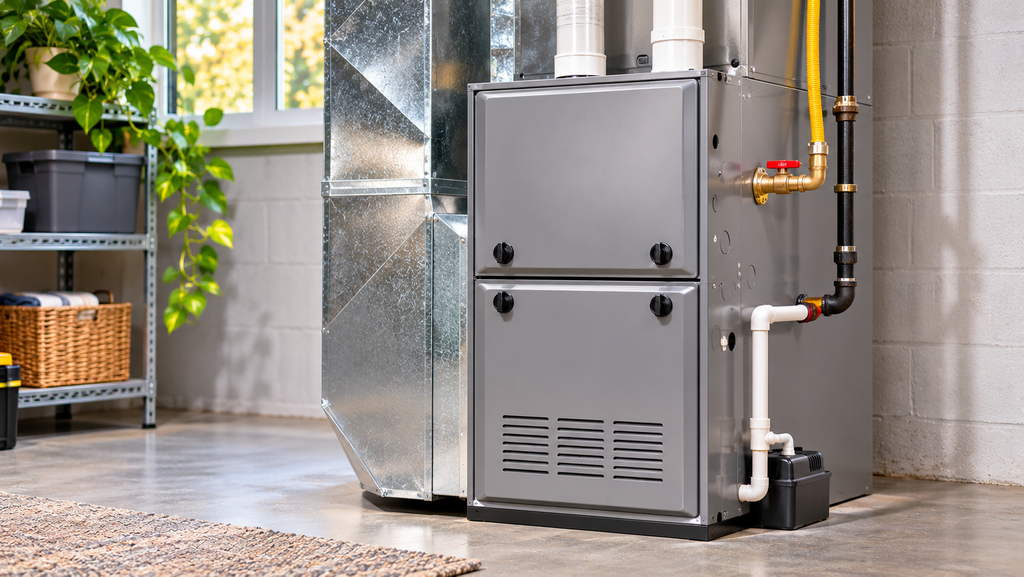
Walk through the heated rooms and the furnace area during ordinary home care. Look for blocked grilles, new clutter, and anything that has changed since the last check. Keep the required service access clear.
A weekly review can cover these items.
- Air paths: Supply and return grilles are clear.
- Furnace area: Boxes, fabric, and stored products stay away.
- Comfort: Rooms warm in their usual way.
- Sound: New or persistent unusual noise is noted.
Do not take off panels to make the check more thorough. You are watching normal condition from outside. If a new sign seems serious, get advice instead of waiting for the monthly review.
Monthly Tasks
Inspect the filter through its permitted access using the furnace’s required shutdown method. Confirm the correct type, fit, and airflow direction. A monthly reminder is a good prompt to look, but it does not mean every filter must be changed each month.
A washable filter and a disposable filter need different care. Do not rinse a disposable filter or add a second filter layer in hopes of catching more dust. Use only the arrangement required for the system.
Review the service log and look for a pattern. Has the filter become dirty much faster? Has the home needed repeated thermostat changes? These notes can help a service pro assess a concern without guessing at a part.
Seasonal and Yearly Tasks
Book required professional service before the busy heating season. Keep the model details and your notes ready. Ask what owner tasks apply to this furnace and what filter schedule suits your conditions.
Internal service may include checks of the burner, blower motor, heat exchanger, controls, and flame sensor where fitted. A flame sensor helps monitor burner operation; it is not a part to scrub simply because a yearly reminder names it. Fuel, hot parts, and wiring need the right skills.
The seasonal part of a furnace maintenance checklist should also review your home safety devices by their own care instructions. Keep fuel odor and carbon monoxide warnings separate from routine scheduling. Those signs call for leaving the area and urgent help.
Signs It Needs Attention Between Checks
These changes deserve attention before the next scheduled visit.
- Repeated shutdowns
- Unusual heat
- Persistent new sounds
- Poor heating
Do not bypass a safety control or keep pressing reset to make the furnace run.
Visible damage or moisture near the unit is worth recording and reporting. Do not open a fuel or electrical section to find the cause. A simple note about where and when it appears is useful.
What if the filter looks clean but the house is still cold? Do not assume a new igniter or thermostat is the next step. A furnace maintenance checklist helps organize facts, but it cannot diagnose every heating problem. Arrange assessment when normal use changes.
Frequently Asked Questions
These answers explain how to use a checklist without overextending owner care.
What should be on a furnace maintenance checklist?
Include clear airflow paths, correct filter care, normal-operation notes, a tidy service area, and scheduled trained service. Assign each task to the right person. The furnace maintenance checklist should support safe routine care rather than invite internal burner or wiring work at home.
How often should each task be done?
Use weekly visual checks, a monthly filter and record review, and seasonal professional service as a planning structure. Follow the actual model and filter requirements when they differ. New abnormal operation needs attention as it happens, not when a reminder next appears.
Which tasks can you do yourself?
You can generally clear grilles and clutter, note normal heating, and handle the permitted filter task. Wipe only allowed cool exterior surfaces. Leave internal cleaning, fuel controls, safety-device work, and electrical measurements to qualified service.
What signs mean it needs attention sooner?
Fuel odor or a carbon monoxide alarm means leave and get urgent help. Repeated stops, unusual overheating, new persistent noise, leaks, or damaged parts need prompt advice too. Do not finish a normal checklist before acting on a possible safety concern.
Final Thoughts: Keep It Simple and Consistent
A useful checklist is short enough to keep and clear enough to act on. Record what you checked, note changes, and book service before the busiest season. Correct filters and accurate model details keep later care easier to manage.
Still stuck after this guide?
Two free options: post your model number and symptom on the forum, or search the model number in the shop to see every part that fits.