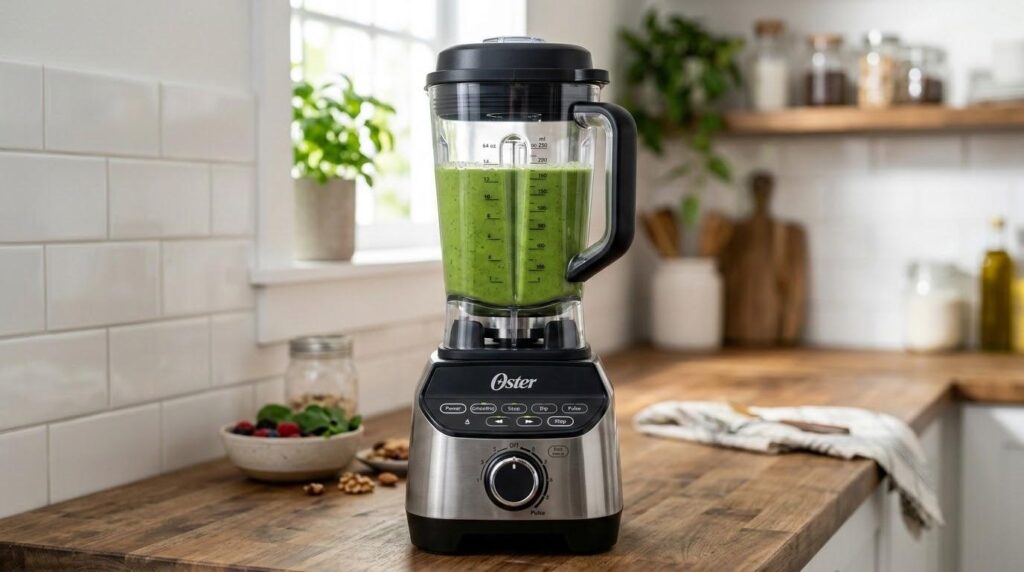
A blender can save time in the kitchen. It helps with smoothies, soups, sauces, dips, and more. But even when the jar looks clean, one small part can still hold dirt and smell. That part is the gasket.
The gasket is the rubber or silicone ring that helps seal the blender jar. It keeps liquid from leaking out while the blender runs. Since it sits in a tight area near food and moisture, it can collect hidden residue. Have you ever washed your blender and still noticed a bad smell? The gasket may be the reason.
The good news is that cleaning the blender gasket areas does not always mean taking the blender apart. In many cases, you can clean it well with simple tools and gentle methods right at home. This guide will show you what the gasket does, why it gets dirty, and how to clean it safely without removing it.
What Is a Blender Gasket and Why Does It Get Dirty?
A blender gasket is a soft ring made from rubber or silicone. It sits between parts of the blender jar and helps create a tight seal. That seal is what keeps smoothies, soups, and sauces from dripping out during blending.
Since the gasket is close to food and liquid, it gets dirtier faster than many people think. Thin liquids can slide into the small space around them. Thick foods like yogurt, nut butter, protein shakes, and sauces can leave sticky residue behind. Oil, fruit pulp, dairy, and spice blends can all cling to the gasket surface.
Over time, that buildup can start to smell. Moisture may stay trapped in the gasket area, especially if the blender is stored before it fully dries. That damp space can lead to mold or mildew. Even if you cannot see it right away, hidden grime may still be there.
That is why cleaning the gasket matters. A clean gasket helps your blender smell fresher, work better, and stay ready for the next use.
Signs Your Blender Gasket Needs Cleaning
Sometimes the jar looks fine, but the gasket still needs attention. Here are a few common signs to watch for:
- A bad smell stays even after washing
- You see dark spots, cloudy film, or sticky edges
- The blender leaks during use
- Drinks or sauces have a strange leftover taste
- The area around the seal feels greasy or slimy
Do any of these sound familiar? If they do, it is time to clean more closely around the gasket.
Can You Clean a Blender Gasket Without Taking It Apart?
Yes, you often can. If the gasket has light or fresh residue, gentle cleaning from the outside is usually enough. Warm water, dish soap, a soft brush, and careful wiping can handle many common messes.
This can also be the safer choice. Why? Because pulling out a gasket the wrong way can stretch it, tear it, or make it sit unevenly when you put it back. Some blender models are not meant for frequent gasket removal. If the seal does not go back in place correctly, the blender may leak later.
Still, there are times when surface cleaning is not enough. If the gasket has heavy mold, thick old residue, or a strong smell that does not go away, you may need a deeper cleaning method. In that case, check your blender manual first before trying to remove any part.
Tools and Supplies You May Need
You do not need fancy products for cleaning the blender gasket areas. Most of the time, simple household items work well.
- Warm water
- Mild dish soap
- Soft sponge
- Microfiber cloth
- Soft toothbrush or small brush
- Cotton swabs
- Baking soda
- White vinegar
- Small bowl
- Dry towel
These items are gentle enough for regular cleaning and strong enough for light buildup.
Safety Tips Before You Start
Before cleaning your blender gasket, take a few simple steps to stay safe and protect the blender.
Unplug the blender
Always unplug the blender before cleaning. Even if you are only working on the jar, it is better to be safe.
Let the hot parts cool
Did you blend soup or another hot mixture? Let the jar cool down before handling it. Hot surfaces can be hard to grip and may burn your hands.
Avoid sharp tools
Do not use knives, forks, metal picks, or rough scrubbers. These can scratch the gasket or damage the seal.
Check your manual
Each blender is a little different. Some brands have care tips for the gasket and blade area. A quick look at the manual can help you avoid mistakes.
Method 1: Quick Daily Cleaning for Light Residue
This method works best after normal use, especially when the mess is still fresh.
Step 1: Rinse the jar well
Rinse the blender jar with warm water right after use. This helps stop food from drying around the gasket.
Step 2: Add warm water and dish soap
Fill the jar partway with warm water and add one small drop of mild dish soap.
Step 3: Blend for a few seconds
Secure the lid and run the blender for a few seconds if your model allows it. This helps the soapy water move around the gasket area.
Step 4: Empty and rinse
Pour out the water and rinse the jar well with clean water.
Step 5: Wipe the gasket area
Use a soft cloth or sponge to wipe around the visible edge of the gasket.
This fast routine helps keep residue from building up. Isn’t it easier to clean right away than to scrub dried mess later?
Method 2: Clean With a Soft Brush
Sometimes a sponge cannot reach the small spaces around the gasket. A soft brush can help.
Step 1: Make a mild soap mix
In a small bowl, mix warm water with a little dish soap.
Step 2: Dip a soft toothbrush
Use a clean toothbrush with soft bristles. A stiff brush may be too rough.
Step 3: Gently scrub the gasket edge
Brush the visible gasket area with small circular motions. Be gentle and do not push too hard.
Step 4: Use cotton swabs for narrow spots
Cotton swabs are useful for corners, grooves, and thin spaces where residue likes to hide.
Step 5: Wipe and dry
Use a damp cloth to wipe away loosened dirt. Then dry the area with a towel.
This method is helpful when the gasket still smells odd even after a quick wash.
Method 3: Use Baking Soda for Odor and Sticky Buildup
Baking soda is a simple cleaner that can help with bad smells and light grime.
Step 1: Make a paste
Mix a small amount of baking soda with a little water until it forms a soft paste.
Step 2: Apply it to the gasket area
Use a cotton swab, cloth, or soft brush to spread the paste around the visible gasket edge.
Step 3: Let it sit briefly
Leave it on for a few minutes. Do not let it dry too long on the rubber.
Step 4: Scrub gently
Use a soft brush or cloth to work the paste around the sticky spots.
Step 5: Rinse and dry
Wipe away all the baking soda with a damp cloth. Then dry the area fully.
Baking soda is useful when the gasket smells sour or feels greasy after blending rich foods.
Method 4: Try a Vinegar Solution for Smell and Film
White vinegar can help cut light film and leftover odor. It works best when used in a mild, diluted mix.
Step 1: Mix vinegar and water
Combine equal parts white vinegar and water in a small bowl.
Step 2: Dampen a cloth or swab
Dip a cloth, cotton swab, or soft brush into the solution. Do not soak the motor base or any electric part.
Step 3: Wipe around the gasket
Carefully clean around the seal line and nearby crevices.
Step 4: Follow with plain water
Use a clean damp cloth with plain water to remove any vinegar left behind.
Step 5: Dry well
Use a towel to dry the area completely.
Vinegar can be helpful when the gasket has a cloudy film or a food smell that soap alone does not remove.
Method 5: Blend a Cleaning Solution for Hard-to-Reach Areas
If the gasket area is hard to reach by hand, the blender itself can help clean it.
Step 1: Fill the jar with warm water
Add warm water and a small drop of dish soap. You can also add a small splash of vinegar if smell is the main problem.
Step 2: Blend briefly
Run the blender for a few seconds on a low setting if possible.
Step 3: Let the mixture sit
Let the solution rest in the jar for a few minutes to loosen hidden residue.
Step 4: Rinse several times
Pour it out and rinse the jar well until all soap or vinegar is gone.
Step 5: Check the gasket area
Look closely at the seal. Repeat once if needed.
This is a good option after blending thick smoothies, protein drinks, or sauces.
How to Keep the Blender Gasket Cleaner Longer
Regular habits make a big difference. A few small steps can keep the gasket cleaner and reduce deep scrubbing later.
- Rinse after each use: A quick rinse right away keeps food from drying around the seal.
- Do a soap-and-water blend: After thick recipes, run warm water and dish soap through the blender for a few seconds.
- Dry before storing: Let the jar air dry fully before putting it away.
- Store with airflow: If possible, leave the lid off or loose so trapped moisture can escape.
- Clean more often after dairy or protein drinks: These ingredients spoil faster and can leave strong smells behind.
A little routine care can save a lot of work later.
When It May Be Time to Replace the Gasket
Cleaning can help a lot, but sometimes the gasket is simply worn out.
- Cracks or tears: A damaged gasket may not seal properly and can start to leak.
- Permanent odor: If the smell stays after repeated cleaning, the material may have absorbed it for good.
- Ongoing leaks: When the blender keeps leaking even after cleaning, the gasket may no longer fit as it should.
- Stiffness or warping: A healthy gasket should stay flexible. If it feels hard, bent, or misshapen, replacement may be the better choice.
If your blender model allows replacement gaskets, changing the seal may solve the problem quickly.
What to Remember
Cleaning the blender gasket areas does not have to be hard. In many cases, you can clean the gasket well without taking it apart. Warm water, mild dish soap, a soft brush, baking soda, and diluted vinegar can all help remove everyday residue, odor, and film.
The key is to be gentle and consistent. Clean the gasket soon after use, dry it well, and pay attention to early signs of buildup. Why wait for leaks or bad smells to get worse? A few minutes of care can keep your blender cleaner, fresher, and ready for the next recipe.
The last step is the part itself: match a blender parts to your model number rather than to a photo or a part name.