

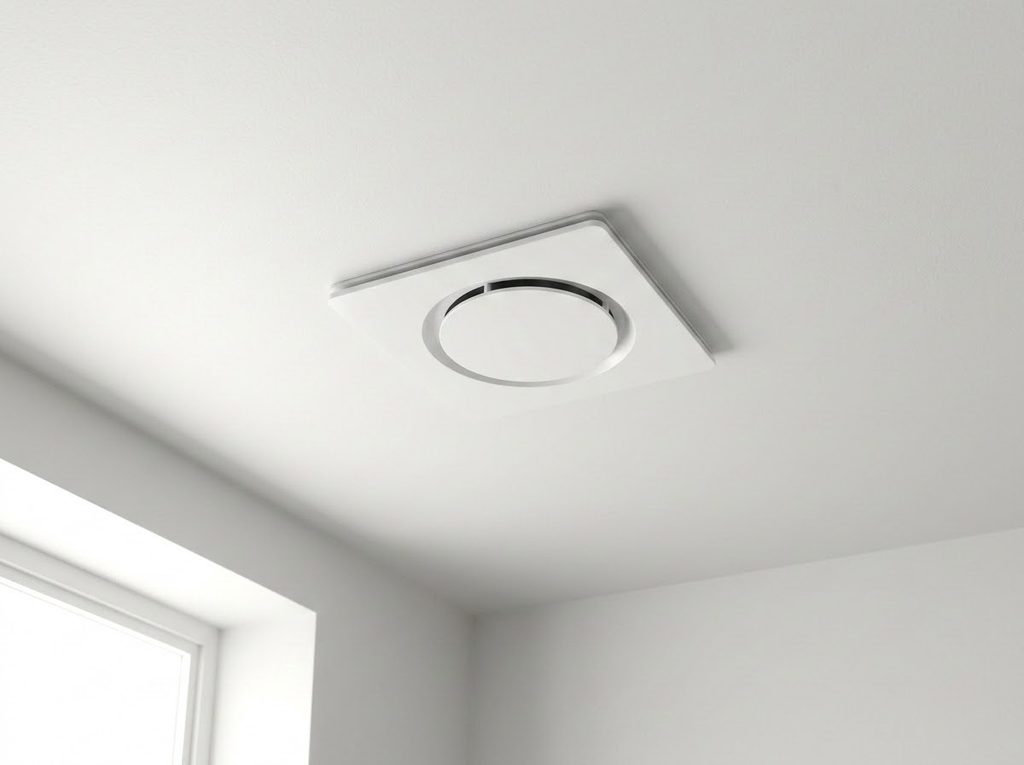
A bathroom exhaust fan should carry damp air outside. When an odor seems to come from its grille, the cause may be dust in the housing, mildew, a blocked duct, or an overheated electrical part. Bathroom fan odors need different responses depending on the smell. A musty odor calls for moisture and airflow checks. A burning smell calls for an immediate power shutoff.
The source separates these problems into distinct paths. Follow the path that fits the observation instead of treating every odor with a cleaner or fragrance. Masking the smell leaves the underlying condition in place.
What the Smell Can Suggest
Record when the odor appears and where it seems strongest:
- A musty smell after showers can indicate moisture and mildew.
- Sour air while the fan is off may come from damp dust or a blocked duct.
- A rotting smell near the grille may involve debris or nesting material in the vent path.
- A burning plastic smell during operation may indicate a motor or wiring fault.
- An odor that returns shortly after cleaning suggests a deeper airflow or moisture issue.
These are clues, not a substitute for inspection. A bathroom drain, plumbing vent, or nearby wall cavity can also produce odors that seem to come from the fan. If the housing is clean, look beyond it before replacing a motor.
Safety Before Cleaning or Inspection
- Turn off the fan’s circuit breaker before removing the grille.
- Leave the fan off if it smells hot or burned.
- Use gloves and eye protection around dust or dirty ductwork.
- Do not spray cleaner onto wires, the motor, or electrical connectors.
- Let cleaned parts dry fully before reassembly and power restoration.
- Avoid disturbing a large area of suspected mold without appropriate professional help.
- Use safe access practices for an attic, crawlspace, or exterior vent.
The source recommends water-based cleaning for some fan parts. Only removable parts approved for washing should go into a sink. Never submerge an electrical motor or wired assembly.
How to Troubleshoot Bathroom Fan Odors
The source treats dust, mildew, duct blockage, and electrical heat as separate branches. Complete the relevant branch in order, then check whether the odor returns during normal use.
Remove Dust From the Housing
- Shut off the fan breaker.
- Pull the grille down and release its spring clips.
- Vacuum loose dust with a hose attachment.
- Wipe the fan blades and motor housing with a damp cloth or paper towel, keeping moisture away from electrical parts.
- For heavier buildup, remove the fan assembly where the model allows it. Clean only washable, non-electrical parts with mild soap and water, then let them dry completely before refitting them.
- Replace the grille and restore power.
The source suggests cleaning once or twice a year. A dry, open grille makes it easier for air to reach the fan and helps prevent damp dust from collecting again.
Check for Mildew
- Clean the fan as described in the dust-removal phase.
- Inspect the housing and visible duct for dark spots, discoloration, or slimy buildup.
- Apply the source’s water and white vinegar mix or a bathroom mold cleaner to affected non-electrical surfaces.
- Scrub gently with a soft brush or cloth, avoiding wiring and motor parts.
- Allow the area to dry completely before turning the fan on.
- Run the fan during showers and for at least 15 to 20 minutes afterward, as the source advises. A timer or humidity-sensing switch may help maintain that habit.
If growth extends deep into the duct, surface cleaning near the grille will not remove it all. Further duct cleaning or replacement may be needed. Persistent moisture should also prompt a check of where the duct ends.
Inspect the Duct and Exterior Vent
- Follow the accessible duct from the fan housing toward its termination point.
- Look for bends, sags, or disconnected sections.
- Inspect the exterior vent for blocked openings or signs of nesting birds or rodents.
- Clear accessible debris with a long vent brush or a shop vacuum and narrow hose.
- Replace or reroute damaged, sagging, or overly long duct sections. Insulate ductwork in unconditioned areas where condensation forms.
A blocked exit can leave moist air in the duct. A disconnected duct can release that air into an attic or another hidden space. Repairing only the grille will not correct either issue.
Respond to a Burning Smell
- Turn off the circuit breaker immediately.
- Remove the grille only after power is isolated, then inspect the motor housing for melting, discoloration, or a burnt odor.
- Look for exposed or damaged wiring without touching it.
- Arrange replacement of a motor that smells burned or makes grinding noises after proper diagnosis.
- Consider a compatible full fan replacement if the older unit shows broad failure, as the source suggests.
Do not restore power to test whether a burning smell has gone away. Damaged house wiring or a scorched connection needs an electrician. A fan that repeatedly overheats should stay out of service until the cause is repaired.
What to Check After Cleaning
Once a safe branch is complete, observe the fan during normal bathroom use. Helpful results include:
- The grille and visible blades stay free of damp dust.
- Air moves through the fan and exits at the outdoor vent.
- No water drips from the housing or duct.
- The musty smell fades and does not return after a shower.
- The motor runs without grinding or excessive heat.
An odor that returns quickly may indicate hidden moisture, a duct problem, or another source in the bathroom. It deserves another diagnosis rather than repeated use of cleaners inside the fan.
Prevention That Fits the Cause
Simple habits can reduce a repeat problem:
- Clean the grille and accessible housing every six to twelve months.
- Let the fan run long enough after a shower to clear moisture.
- Keep the exterior vent clear of leaves and other debris.
- Repair a sagging or disconnected duct instead of only wiping the fan.
- Address a new burning smell immediately by shutting off power.
The source also mentions optional odor filters and replacement covers. Check whether the fan and duct are designed for those additions before installing them. A filter that blocks airflow could worsen moisture buildup.
Looking Ahead
Bathroom fan odors are easier to resolve when the smell guides the inspection. Dust and mildew need cleaning and moisture control. Duct odors need an open path outdoors. A burning smell needs power off and qualified electrical attention. Once the cause is corrected, steady airflow and a dry housing are the reassuring signs to watch.