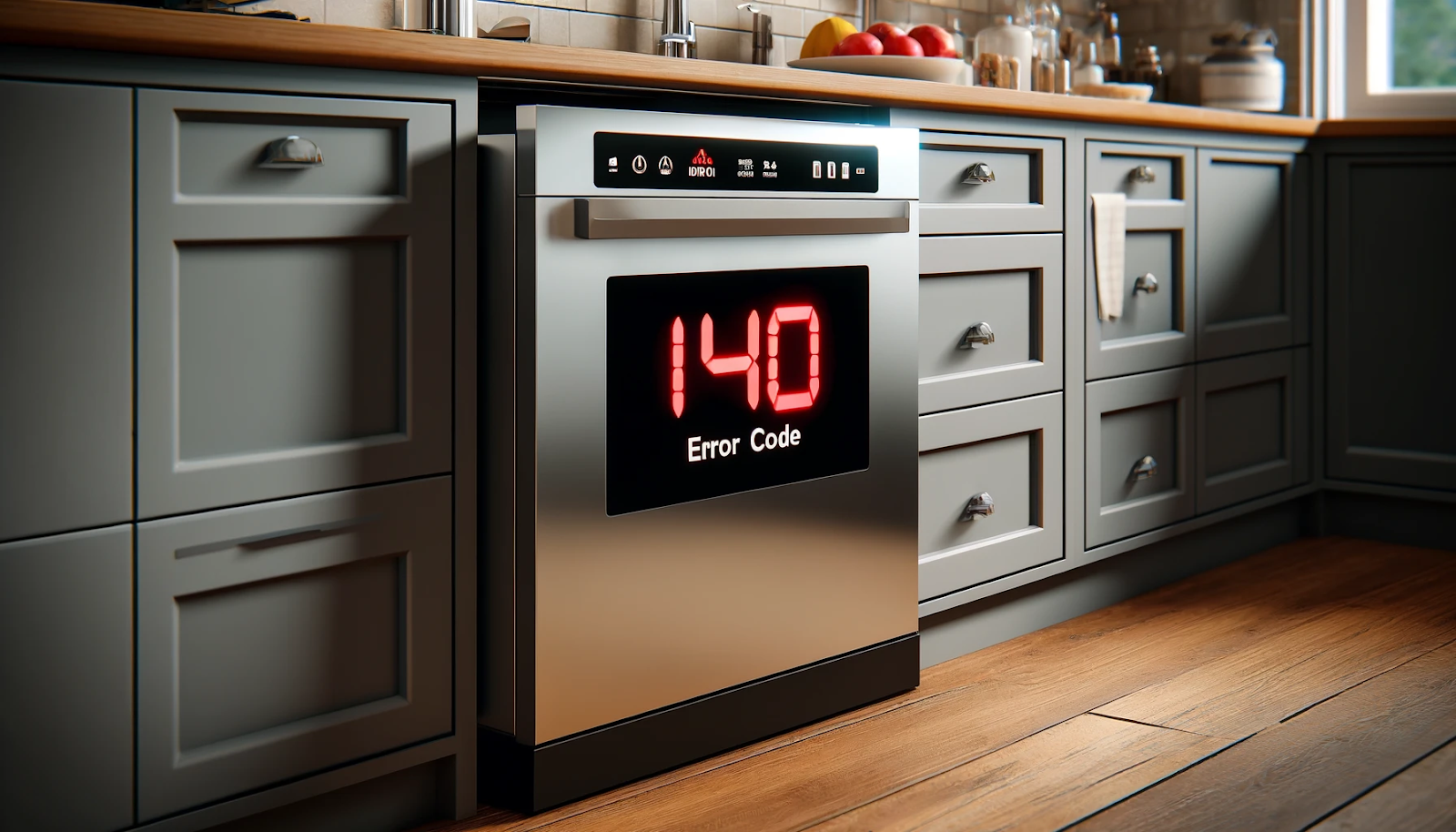
An i40 error code on your Electrolux dishwasher can be frustrating, but resolving it is possible with proper troubleshooting. This code indicates an issue with the pressure sensor that monitors water levels during the wash cycle. From checking the filter and water supply to accessing the sensor itself, methodically working through potential causes is key.
With some basic maintenance and repairs, like cleaning the filter or replacing faulty parts, you can often fix the i40 error yourself. Just be sure to unplug and allow the dishwasher to cool before handling any components. By following safety precautions and troubleshooting steps, you’ll be well on your way to eliminating the i40 error and enjoying a fully functioning dishwasher again.
Understanding the i40 Error Code
The i40 error code on your Electrolux dishwasher is an important signal that something might be wrong with the appliance. But what exactly does it mean, and how can you address it? Let’s break it down.
Pressure Sensor’s Role in Monitoring Water Fill Level
Your dishwasher has a pressure sensor that keeps track of the water level inside the tub. This little gadget is crucial because it tells the control board when there’s enough water for the wash cycle to start and when it’s time to drain the tub. Pretty neat, right?
Control Board’s Detection of Pressure Sensor Issues
The control board is like the brain of your dishwasher. It’s constantly communicating with the pressure sensor to make sure everything is running smoothly. If the pressure sensor isn’t sending the right signals, the control board will detect that something is off and display the i40 error code.
Common Triggers for the i40 Error Code
There are a few common culprits that can cause the i40 error code to pop up:
- Low water level: If the water level in the tub is too low, the pressure sensor won’t be able to detect enough pressure, and the control board will throw an error.
- Clogged filters: Dirty filters can prevent water from flowing freely, which can confuse the pressure sensor and trigger the i40 code.
- Faulty pressure sensor: Sometimes, the pressure sensor itself can malfunction or wear out over time, causing it to send incorrect readings to the control board.
- Wiring issues: Loose or damaged wiring between the pressure sensor and the control board can also result in communication errors and the dreaded i40 code.
Safety Precautions
When working on your Electrolux dishwasher to troubleshoot and clear an i40 error, it’s crucial to take the proper safety precautions. Dishwashers can be tricky appliances to work on, and you want to ensure you stay safe throughout the process. Let’s go through the key safety steps you should follow.
Powering Off and Unplugging the Appliance
The first and most important step is to power off and unplug your dishwasher. This removes any risk of electrical shock or the machine starting up unexpectedly while you’re working on it. Always double-check that the power is disconnected before proceeding.
Allowing Time for the Appliance to Cool Down
Dishwashers can get quite hot, especially the internal components. Be sure to allow the appliance to cool down completely before you start tinkering. This will prevent burns and make the repair process more comfortable.
Working in a Well-Lit, Uncluttered Area
Excellent lighting and a clean, organized workspace are essential for safely troubleshooting your dishwasher. You’ll need to be able to see clearly to access components and ensure you don’t miss anything important. Plus, a cluttered area increases the risk of tripping or knocking something over.
Keeping Children and Pets Away from the Work Area
For everyone’s safety, it’s best to keep children and pets far away from where you’re working on the dishwasher. Curious little hands and paws could potentially interfere with the repair process or get hurt.
Handling Parts Gently and Wearing Protective Gear
When removing and handling dishwasher components, be very gentle. You don’t want to damage any delicate parts. It’s also a good idea to wear protective gloves to avoid cuts or scrapes from sharp edges.
By following these simple safety precautions, you can troubleshoot and clear the i40 error on your Electrolux dishwasher with confidence and peace of mind. Taking the time to prioritize your safety will ensure a smooth and successful repair experience.
Troubleshooting Steps
Having the i40 error code on your Electrolux dishwasher can be frustrating. But don’t worry, we’ll guide you through some simple troubleshooting steps to get your dishwasher back in working order. Just follow along carefully, and you’ll have it fixed in no time!
Step 1: Power Cycle
The first step is to perform a power cycle on your dishwasher. This is often an effective way to reset the dishwasher and clear any minor glitches that may be causing the error code. Here’s how you do it:
- Unplug the dishwasher from the power outlet and wait for 10 minutes. This will allow the dishwasher to completely power down and reset.
- After 10 minutes, plug the dishwasher back in and check if the i40 error code is still appearing. If the error is gone, you’re all set! If not, move on to the next step.
Can you think of any other household appliances where a simple power cycle can sometimes fix issues? It’s often the first thing to try when you encounter a problem with electronics.
Step 2: Check the Water Level
The i40 error code is related to issues with the pressure sensor, which monitors the water fill level in the dishwasher. So, the next step is to check if there’s a problem with the water level.
- Open the dishwasher door and look at the bottom of the tub. Is there a sufficient amount of water in the tub? There should be at least a few inches of water covering the filter area.
- If the water level is low, check if water is flowing through the water valve at the correct pressure. You may need to refer to your dishwasher’s manual to determine the right pressure level.
If the water level is low or the water isn’t flowing properly, there may be an issue with the water supply line or the water inlet valve. You may need to call a professional for further assistance.
Step 3: Clean the Filter
Sometimes, a clogged filter can cause water flow issues and trigger the i40 error code. Let’s clean the filter and see if that resolves the problem.
- Locate the filter at the bottom of the dishwasher tub and remove it. It may be necessary to twist or unscrew it to release it from its housing.
- Rinse the filter thoroughly under running water to remove any debris or buildup that could be restricting water flow.
- Once the filter is clean, reinstall it securely in its housing.
- Run a new cycle on the dishwasher and check if the i40 error code has cleared.
Keeping the filter clean is an important part of maintaining your dishwasher’s performance. Can you think of any other household appliances that have filters that need regular cleaning?
Step 4: Access the Pressure Sensor
If the error code persists after trying the previous steps, it’s time to access the pressure sensor directly. This involves some disassembly, so please be careful and follow the instructions closely.
- Tilt the dishwasher backward slightly to access the adjustment screws at the bottom. Remove these screws to release the bottom tray.
- Carefully release any snaps or clips holding the bottom tray in place, and remove the tray to expose the internal components.
- Locate the pressure sensor, which is typically a small cylindrical component with a wire harness attached to it.
- Gently detach the pressure sensor from its mounting point, being careful not to damage the wire harness or any surrounding components.
Safety is important during this step, so please work in a well-lit area with plenty of space, and consider wearing protective gloves to avoid any accidental injuries.
Step 5: Test the Pressure Sensor
With the pressure sensor exposed, you can now test it to determine if it needs to be replaced.
- Use a multimeter to measure the resistance of the pressure sensor. Refer to your dishwasher’s manual for the acceptable resistance range for the pressure sensor.
- If the resistance falls outside the specified range, the pressure sensor is likely faulty and needs to be replaced.
- Before replacing the sensor, inspect the wire harness for any signs of damage or loose connections. A damaged wire harness could also be causing the issue and may need to be replaced as well.
- If the pressure sensor and wire harness appear to be in good condition, but the resistance is still outside the acceptable range, the issue may lie with the control board. In this case, you may need to consult a professional for further assistance or consider replacing the control board.
When working with electrical components, it’s essential to take proper safety precautions. Always unplug the dishwasher and allow it to cool down before handling any internal parts.
Related guides
Conclusion
Congratulations! You’ve made it through the entire troubleshooting process for the i40 error code on your Electrolux dishwasher. Let’s recap what we’ve learned:
The i40 error code indicates an issue with the pressure sensor, which is responsible for monitoring the water fill level in your dishwasher. This error can be triggered by a variety of factors, including a low water level, a clogged filter, or a malfunctioning pressure sensor.
Throughout the troubleshooting steps, we’ve emphasized the importance of safety. Remember to always unplug the dishwasher, allow it to cool down, and work in a well-lit, uncluttered area to avoid any accidents.
By following the step-by-step guide, you’ve learned how to methodically troubleshoot the issue, starting with a simple power cycle, then checking the water level and filter, and finally, accessing and testing the pressure sensor. If the pressure sensor is faulty, you’ll need to replace it, the wire harness, or even the control board, depending on the specific issue.
Now that you know how to tackle the i40 error code, you can feel confident in your ability to diagnose and fix this common problem with your Electrolux dishwasher. Remember, don’t hesitate to consult the owner’s manual or reach out to a professional if you encounter any difficulties along the way.
Dishwasher maintenance and repair can seem daunting, but with the right knowledge and a little bit of patience, you can save yourself time and money by tackling these issues on your own. And who knows, you might even impress your family and friends with your newfound appliance repair skills!
Once you know which part failed, find the matching dishwasher control board parts by model number so the replacement fits the first time.