Quick answer
Check visible condition, keep the surrounding access clear, review past service, and arrange any required flushing or descaling through the proper model-specific procedure. Observe normal hot-water supply without opening hot or pressurized parts. Do not add a blanket or insulation that blocks controls, air openings, or safety devices, and do not raise temperature just for guests.
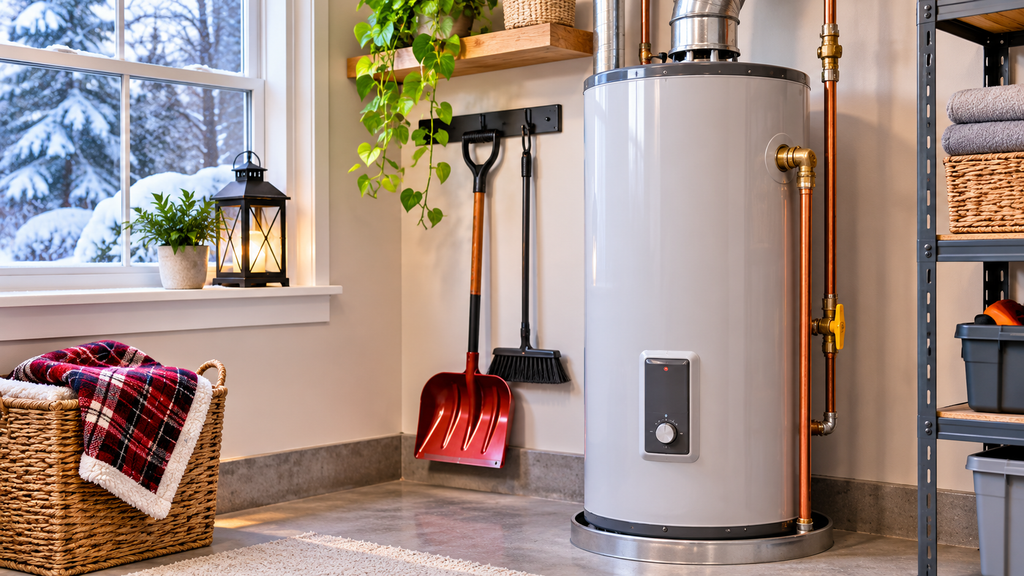
Hot-water care is worth planning before winter brings colder rooms and changing household demand. Do you have a storage tank or a tankless heater? That answer shapes how to prepare your water heater for winter. Start with visible checks and a suitable service plan rather than treating every heater as the same appliance.
This guide covers a seasonal checklist, safe exterior housekeeping, and a normal-use check. You’ll learn which tasks need a qualified service provider and why the unit’s history matters. Begin one to two weeks before heavy use, or earlier when an appointment is needed. Keep hot water, pressure, fuel, and wiring outside a generic DIY cleaning routine.
Quick Facts
Hot water and pressure can cause injury; internal work and safety devices need proper service.
- Difficulty: Not specified
- Time: Not specified
- Tools: Service log, soft cloth for permitted cool exterior areas
- Part cost: Not specified
- Skill level: Not specified; tank and tankless service differ
Order the part with confidence
- Guaranteed to fit when you search by model number
- Same-day shipping on in-stock parts
- 365-day returns on any part
- Free tech support before and after you buy
Why Prepare Your Water Heater Before Winter
Cold weather can change demand and expose nearby pipes to lower temperatures. More baths, laundry, or guests may also make a slow supply more noticeable. Planning ahead gives you time to review the system without a household waiting for hot water.
A tank stores hot water, while a tankless unit heats it as it flows through. Their service needs are not identical. Sediment, mineral scale, an anode rod, and a filter may matter differently depending on the design.
Do you know when the unit was last serviced? That record helps more than assuming every water heater should be flushed in the same way. The safest winter plan begins with the actual model and its condition.
A Pre-Holiday Checklist for Your Water Heater
Use these items for a simple seasonal review.
- Records: Find the model details and last service date.
- Condition: Look for visible leaks, corrosion, or new stains.
- Access: Clear clutter from required service and air spaces.
- Pipe exposure: Arrange suitable protection for pipes at risk of freezing.
- Service: Review required tank care or tankless descaling needs.
Not every water heater has a sediment filter or an owner-cleanable part. Do not search for one by opening covers. The pressure relief valve is a safety device, and its discharge path must remain unobstructed. Never cap it or use a replacement valve from appearance alone.
How to Deep Clean Your Water Heater Before Guests Arrive
Follow these steps to clean only permitted exterior areas around the water heater.
Tidy Without Opening the System
- Identify cool surfaces and avoid hot pipes and fittings.
- Remove stored items from the required access space.
- Collect loose dust from the nearby floor without disturbing the unit.
- Wipe allowed cool exterior surfaces with a soft cloth.
- Keep controls, air openings, burners, and wiring dry and unobstructed.
- Record visible moisture, corrosion, or damage for service.
A deep internal clean means a different job. Flushing a tank, checking an anode rod, and descaling a tankless water heater need the correct procedure and system preparation. Do not open a drain valve or pour vinegar into the unit to make this exterior routine more thorough. An older or poorly documented system needs assessment first.
How to Test Your Water Heater Ahead of Time
Follow these steps to observe normal household hot-water use without opening the heater.
Check the Usual Supply
- Confirm that no known leak or safety concern is present.
- Use hot water at an ordinary fixture with care to avoid scalding.
- Note whether the supply behaves as usual for your home.
- Look for visible moisture around the heater without touching hot parts.
- Record repeated changes in temperature, amount, sound, or recovery.
- Arrange service for a continuing concern.
Do not increase the setting to hide poor performance or a heavy-demand plan. Do not open safety devices as a test without the proper instructions and precautions. For fuel odor or a carbon monoxide alarm near a fuel-fired unit, leave and get urgent help.
Didn't fix it? Ask a technician on the AppliancePartsPros forum.
Post your model number, the symptom, and what you've already tried. Appliance techs and experienced DIYers answer for free, usually the same day.
Ask the forum →80,000+ solved repair threads · no account needed to readDay-of Tips to Keep Your Water Heater Running Smoothly
Keep these habits in mind during routine use.
- Spread large hot-water tasks where practical instead of starting every shower, washer, and dishwasher at once. That helps you work within the system’s normal capacity.
- Keep the unit’s settings appropriate for its safe intended use rather than turning them up for one event.
- Keep access clear even when guests bring extra luggage or supplies.
- Do not use the water heater as a shelf. If pipe insulation is needed, use a suitable plan that protects the unit’s controls, vents, and safety devices.
The useful lesson in how to prepare your water heater for winter is early planning. A service visit before peak use is easier to manage than an improvised flush while people are waiting for hot water.
Frequently Asked Questions
These answers distinguish winter preparation from internal service.
How do you get your water heater ready for winter?
Review visible condition, clear the service area, protect exposed pipes properly, and arrange required model-specific service. Learning how to prepare your water heater for winter also means reviewing its service history. A tank and a tankless system should not share one generic flushing method.
How far ahead should you prepare your water heater?
Start one to two weeks before heavier use, and sooner if professional service is due. Cold-weather pipe protection may need advance work too. A leak or safety concern needs attention when noticed rather than waiting for the seasonal date.
What should you clean on your water heater before guests arrive?
Clean nearby floor dust and only the permitted cool exterior surfaces. Keep water away from controls and burner areas. Internal sediment removal, anode work, and tankless descaling belong to their proper service process, not to general holiday cleaning.
How do you keep your water heater running during heavy use?
Plan demand within its normal capacity, keep settings appropriate, and maintain clear access. Do not raise temperature as a shortcut or block safety discharge paths. Seek service for repeated loss of hot water, leaks, unusual sounds, or other persistent changes.
Final Thoughts: Keep It Simple and Consistent
A clear service record and a tidy accessible space make winter care easier. Address pipe exposure and service needs early, then keep normal use steady. Choose parts only after the exact unit and service need are known.
Still stuck after this guide?
Two free options: post your model number and symptom on the forum, or search the model number in the shop to see every part that fits.