Quick answer
Use the descaling method approved for your coffee maker. Where a vinegar treatment is permitted, an equal-parts white-vinegar and water mix may be used through the stated cycle, followed by thorough fresh-water rinses. The vinegar method here is for compatible drip brewers, not a universal instruction for pod or espresso machines.
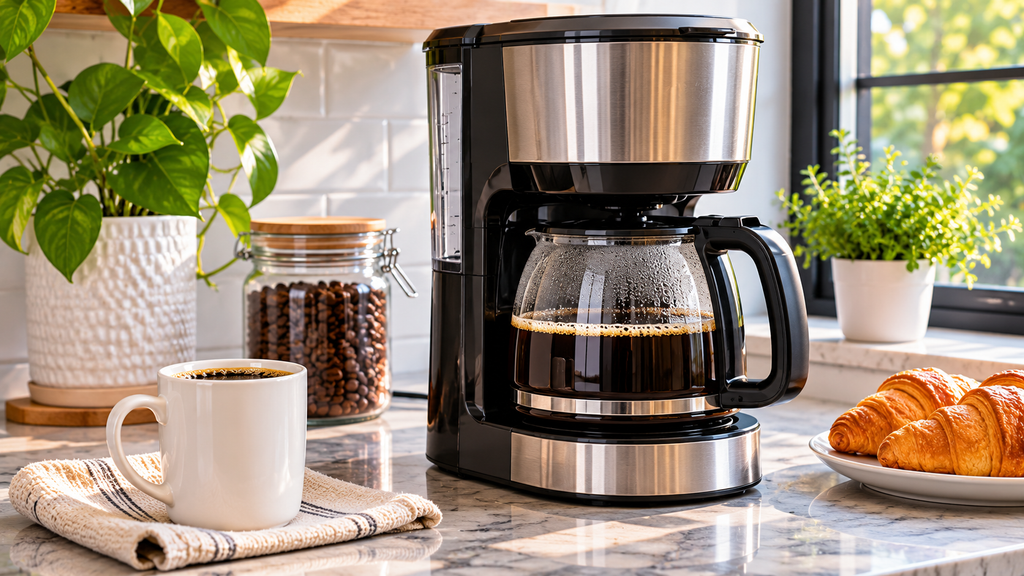
Your carafe can be spotless while mineral deposits remain inside the coffee maker. Could that hidden buildup explain a slower brew? Knowing how to descale coffee maker parts starts with a permitted treatment for the machine. A careful rinse afterward matters just as much as removing the scale.
This guide covers supplies, a vinegar method where it is allowed, timing, and habits that reduce residue. You’ll learn why descaling differs from washing coffee oils out of a brew basket. Drip machines, pod brewers, and espresso machines can need different methods, so do not use a drip-brewer routine on every coffee maker.
Quick Facts
Use vinegar only where the coffee maker permits it; keep the base and electrical parts out of water.
- Difficulty: Not specified
- Time: Includes a 30-minute pause for the permitted vinegar method, plus brew and rinse cycles
- Tools: White vinegar if approved, fresh water, clean carafe, soft cloth
- Part cost: Not specified
- Skill level: Not specified
Order the part with confidence
- Guaranteed to fit when you search by model number
- Same-day shipping on in-stock parts
- 365-day returns on any part
- Free tech support before and after you buy
What You Need to Descale Your Coffee Maker
Descaling means removing mineral buildup from water. It is different from removing old coffee grounds and oily residue. Clean the carafe and brew basket by their normal care method, but do not expect that washing to clear scale inside the water path.
For a compatible drip machine, gather these items.
- Plain white vinegar if permitted
- Fresh water
- Clean carafe
- Soft cloth
Some coffee makers require a specific descaler instead of vinegar. Use that product’s dose and the machine’s cycle. Do not substitute a homemade mixture simply because another brewer can use it. Check whether a water filter must be removed for descaling, using the exact machine’s directions.
How to Descale Your Coffee Maker Step by Step
Follow these steps only for a drip coffee maker that permits this vinegar method.
Descale the Water Path
- Remove coffee grounds and leave the brew basket empty as required for cleaning.
- Prepare equal parts white vinegar and water within the reservoir’s fill limit.
- Fill the reservoir with the permitted mixture.
- Run the brew cycle about halfway, then stop it using the normal controls.
- Leave the mixture for 30 minutes if this pause is allowed for the machine.
- Finish the brew cycle and discard the used liquid safely after it cools.
- Run two full cycles of fresh water without coffee.
- Continue the required rinse process if any cleaning odor or residue remains.
Do not interrupt a dedicated descale program if it requires a different sequence. A label such as 12 cup is not a universal water volume, so use the reservoir marks rather than guessing a number of household cups.
Didn't fix it? Ask a technician on the AppliancePartsPros forum.
Post your model number, the symptom, and what you've already tried. Appliance techs and experienced DIYers answer for free, usually the same day.
Ask the forum →80,000+ solved repair threads · no account needed to readHow Often to Descale Your Coffee Maker
The care plan gives one to three months as a useful starting range, depending on water hardness and use. Harder water can leave more mineral deposits. Follow the machine’s reminder and required schedule when those differ.
A slower brew or a change in normal operation may be a reason to review care, but it does not prove scale is the only cause. Do not keep running strong acid mixtures to force a result. Stop for leaks, damaged parts, or unusual electrical behavior.
When deciding how to descale coffee maker parts, think about both the cycle and the rinse. A treatment that is not rinsed out is not a finished job.
What Not to Use on Your Coffee Maker
Avoid these mistakes and unsafe methods.
- Do not use vinegar where the brewer prohibits it. Stronger vinegar, other acids, household cleaners, and combinations of products are not safe substitutes for the required descaler.
- Never mix vinegar with bleach.
- Keep the heating base, cord, and plug out of water. A washable carafe does not make the whole machine washable.
- Avoid sharp tools pushed into water openings to clear a suspected blockage.
- Do not brew coffee into leftover descale solution to cover its taste.
- Finish the fresh-water rinsing first. If the machine still smells of cleaner after the required process, check the product and model directions before making a drink.
How to Keep Your Coffee Maker Cleaner for Longer
Keep these habits in mind during routine use.
- Empty used grounds and wash approved brew parts after use.
- Rinse the carafe well so soap does not affect the next pot.
- Keep the reservoir tidy without leaving cleaning tools or loose residue inside it.
- Use the water type allowed by the brewer. A water filter may help with certain water conditions, but it does not remove the need for the machine’s required descaling.
- Replace a filter by its own schedule and confirm the correct fit.
The simple way to remember how to descale coffee maker systems is to use the right product, respect the cycle, and rinse fully. A date note beside the coffee supplies can help you keep that routine without guessing when it was last done.
Frequently Asked Questions
These answers explain the main choices in a coffee-maker descaling routine.
How do you descale your coffee maker?
Use the approved product and cycle for the model. For a compatible drip brewer, the equal-parts vinegar method can include a 30-minute pause and fresh-water rinses. Learning how to descale coffee maker systems starts with checking that vinegar is allowed, not assuming every machine accepts it.
How often should you descale your coffee maker?
One to three months is a planning range from the care routine, with water hardness and use affecting need. Follow the brewer’s required interval or reminder. Clean coffee oils and grounds separately so they do not get confused with mineral scale.
What should you not use when you descale your coffee maker?
Avoid prohibited vinegar, stronger acids, bleach, mixed cleaners, and abrasive tools. Do not immerse the base or force a sharp object into an opening. Use the exact descaler dose where a dedicated product is required.
Can you descale your coffee maker without taking it apart?
Yes. Descaling normally runs through the water path using the machine’s cleaning process. Approved removable parts may need separate washing, but internal disassembly is not part of this routine. Persistent leaks or abnormal operation need qualified attention.
Final Thoughts: Keep It Simple and Consistent
The right treatment and a complete rinse keep descaling straightforward. Match the method to the brewer, record the date, and keep ordinary washing on its own routine. Sound, compatible brew parts help the next clean go smoothly.
Check your model number, then shop coffee maker maintenance parts to find compatible supplies for your next care task.
Still stuck after this guide?
Two free options: post your model number and symptom on the forum, or search the model number in the shop to see every part that fits.