Quick answer
Check whether the fridge is rated for the temperatures your garage reaches. Keep food and the appliance within their allowed conditions, leave vents clear, and maintain clean door seals. Move the fridge to a suitable location if the garage gets too cold. Routine cleaning cannot correct an unsuitable operating environment.
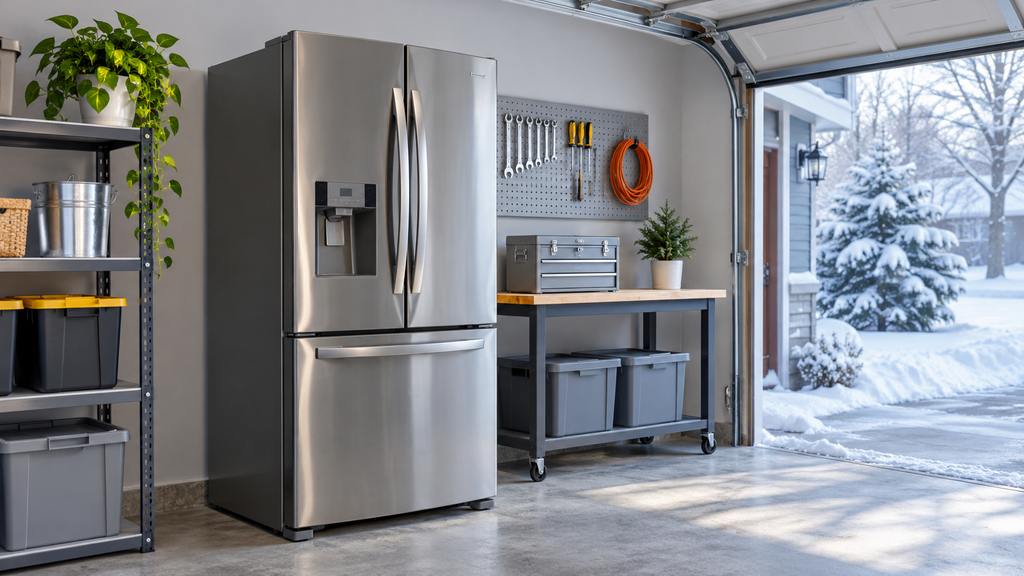
Winter changes the conditions around a garage fridge, even when you leave its controls alone. Can yours handle the colder room? Before deciding how to keep a garage refrigerator from freezing in winter, check its allowed room-temperature range. Adding a heater nearby does not make every refrigerator suitable for an unheated garage.
This guide explains the effects of cold surroundings, the daily habits that protect your food, and the cleaning checks worth keeping on your calendar. You’ll learn which concerns call for a change in location and which are normal maintenance tasks. Clean coils and sound seals help, but they do not turn every kitchen fridge into a garage-ready model.
Quick Facts
Use these facts for general care; the allowed garage temperature depends on the model.
- Difficulty: Not stated
- Time: Not stated
- Tools: Soft cloth, mild soap, soft brush or suitable vacuum attachment
- Part cost: Not stated
- Skill level: Not stated; model suitability must be confirmed
Order the part with confidence
- Guaranteed to fit when you search by model number
- Same-day shipping on in-stock parts
- 365-day returns on any part
- Free tech support before and after you buy
What Shortens the Life of Your Garage Refrigerator
A garage changes more through the year than most kitchens. Cold air can affect how a fridge senses temperature and when it runs. Depending on the design, the freezer and fresh-food sections may respond differently. That is why the appliance’s room-temperature rating matters more than the word garage on a storage plan.
Dirt, blocked air vents, damaged gaskets, and poor placement add other strain. However, it is misleading to blame every winter problem on dirty coils. Before asking how to keep a garage refrigerator from freezing in winter, find the full model number and confirm where that model may operate. Do not assume a spare fridge has the same limits as a purpose-built garage model.
Daily Habits That Protect It
Keep these habits in mind during routine use.
- Check the garage environment as well as the food space.
- Keep an eye on normal cabinet temperatures and avoid storing items that would hide a cooling problem. A simple record can help you notice a change that follows a cold spell rather than a change in how you use the fridge.
- Keep the doors fully closed and wipe sticky spills from the gaskets.
- Do not lean boxes against the cabinet or cover its air vents.
- Leave the cord clear of traffic and keep moisture away from the outlet.
Need more warmth in the garage? Do not aim a portable heater at the fridge, fit an unapproved heater kit, or improvise a thermostat bypass. Those changes require model-specific approval.
Weekly and Monthly Care Tasks
Include these items in your regular care checks.
- Review accessible surfaces for dust and spills during your usual garage tidy-up. A clean door gasket should lie naturally against its matching surface. Crumbs caught in a fold can keep it from sitting flat, while a tear needs a different response than cleaning.
- Check the filter date if your fridge has a water filter. Six months is a planning point for filter review, but use the installed filter’s actual replacement directions and water-use conditions. Not every garage fridge has this feature.
Clean accessible coils on the model’s routine schedule. Twice a year is a useful planning point from the care schedule, with more attention in a dusty room. Disconnect power for allowed exterior coil cleaning, and do not remove enclosed panels.
Seasonal Checks
Include these items in your seasonal checks.
- Room suitability: Review suitability before the first long cold spell. Has the garage been converted, left unheated, or opened more often? Conditions may differ from last year. Make a plan for moving perishable food if the room falls outside the fridge’s operating limits.
- Water connections: Check water lines for exposure to cold and arrange proper winter protection if needed. Water filters, dispensers, and ice makers do not all share the same setup rules. Disconnecting or draining those systems needs the correct model procedure, so do not guess at hidden lines.
The practical answer to how to keep a garage refrigerator from freezing in winter may be relocation. That can be more effective than adding repeated cleaning tasks to an appliance in the wrong environment.
Signs It Needs Attention
Watch for these changes in your garage refrigerator.
- Food freezing in the fresh-food section
- Soft freezer contents
- Water leaks
- Cabinet temperatures that no longer hold steady
- A new noise
- A door that will not close
Do not use the garage’s cold air as proof that stored food is safe. Air temperature can swing, and the fridge’s interior may not follow it evenly. Check the food compartment itself.
If moving the unit is needed, arrange safe handling and protect the water supply where fitted. Seek service for continuing temperature problems in an approved location. Changing parts at random does not establish whether the location or appliance is at fault.
Frequently Asked Questions
These answers separate ordinary fridge care from cold-weather suitability.
How do you keep your garage refrigerator?
Keep it clean, leave air vents clear, maintain sound gaskets, and use it only within its rated room conditions. The key to how to keep a garage refrigerator from freezing in winter is matching the appliance to the space. A garage-ready claim still needs a model-specific temperature range.
How often should you keep your garage refrigerator?
Check use during ordinary use and after major weather changes. Review gaskets and spills during regular cleaning, inspect accessible coils on the allowed schedule, and track filter service if fitted. There is no single service interval that applies to every fridge or garage.
What happens if you skip it?
Dust and spills can worsen airflow and door sealing, while an unsuitable cold room can disrupt normal temperature control. Skipping checks may let these changes go unnoticed. Cleaning helps routine care, but it cannot make an unrated fridge suitable for freezing surroundings.
What supplies do you need?
Use soft cloths, mild soap, and a gentle brush or vacuum tool for allowed accessible areas. A suitable appliance thermometer can help you watch storage temperatures. Buy filters, gaskets, shelves, or bins only after checking the complete fridge model number.
Final Thoughts: Keep It Simple and Consistent
Winter care begins with a suitable place to run the fridge. Keep the cleaning routine simple and make temperature changes part of your checks. If the garage is outside the model’s limits, protect the food and change the location rather than trying improvised warming methods.
Check your model number, then shop refrigerator maintenance parts to find suitable supplies for your next care task.
Still stuck after this guide?
Two free options: post your model number and symptom on the forum, or search the model number in the shop to see every part that fits.