Quick answer
Stove knobs getting hot can be normal on some ranges; the model manual sets expectations. New severe heat, melting, scorching, or sticking controls needs inspection. Check cookware, burner parts, clear vents, and the door seal before blaming an internal fan. Do not touch hot controls to test them. A confirmed gasket, fan, or insulation fault needs the correct model-specific repair.
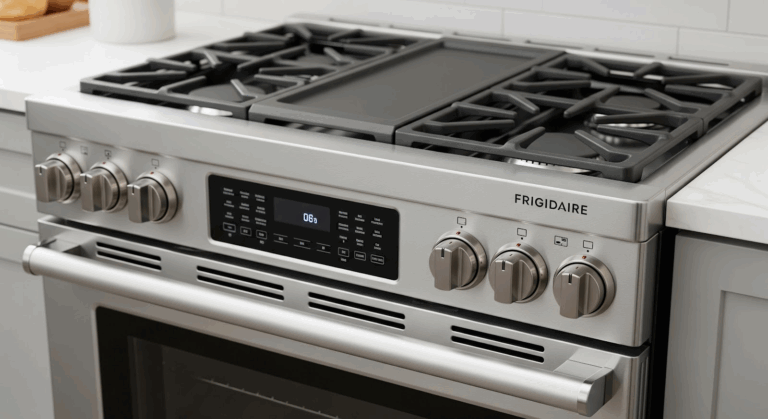
The controls feel hotter during cooking, and it is tempting to blame the knobs themselves. Stove knobs getting hot can occur during normal range use. A sudden change, melting, or unreliable controls deserves a closer look at the heat path before you order replacement parts.
Does the heat appear only during baking, or with one large pan on the cooktop? The timing helps separate an oven-related concern from burner heat without touching a hot surface to test it.
The checks below explain those patterns, warning signs, and repair choices. You’ll also find scoped gasket and fan examples, plus guidance on internal work that needs a technician.
Quick Facts
Use these details to plan the work:
- Difficulty: Easy to moderate
- Time: 15 to 60 minutes for accessible checks or repairs
- Tools: Suitable drivers, soft brush or vacuum, flashlight, and optional infrared thermometer
- Part cost: $0 to $120
- Skill level: Internal fan or insulation work needs more skill than an external vent check
Order the part with confidence
- Guaranteed to fit when you search by model number
- Same-day shipping on in-stock parts
- 365-day returns on any part
- Free tech support before and after you buy
Why Are My Stove Knobs Getting Hot While Cooking?
Some heat reaches the controls during normal use. Excess heat can also follow a damaged seal, blocked vent, or cooling fault. The timing and location help separate an oven-door leak from burner heat or an internal cooling fault.
Use this table to narrow the pattern without touching a hot surface.
| When Heat Appears | Possible Path | What Deserves Attention |
|---|---|---|
| Only with the oven on | Heat above the door | Gasket, vent, cooling fan, insulation |
| Only with a burner on | Pan or flame sends heat forward | Cookware size and burner arrangement |
| Mainly on one side | Local hot-air path | Gasket gap, vent, or insulation |
| During self-clean | High oven heat | Model’s self-clean instructions and heat-control condition |
Why Do Gas Stove Knobs Get Hot?
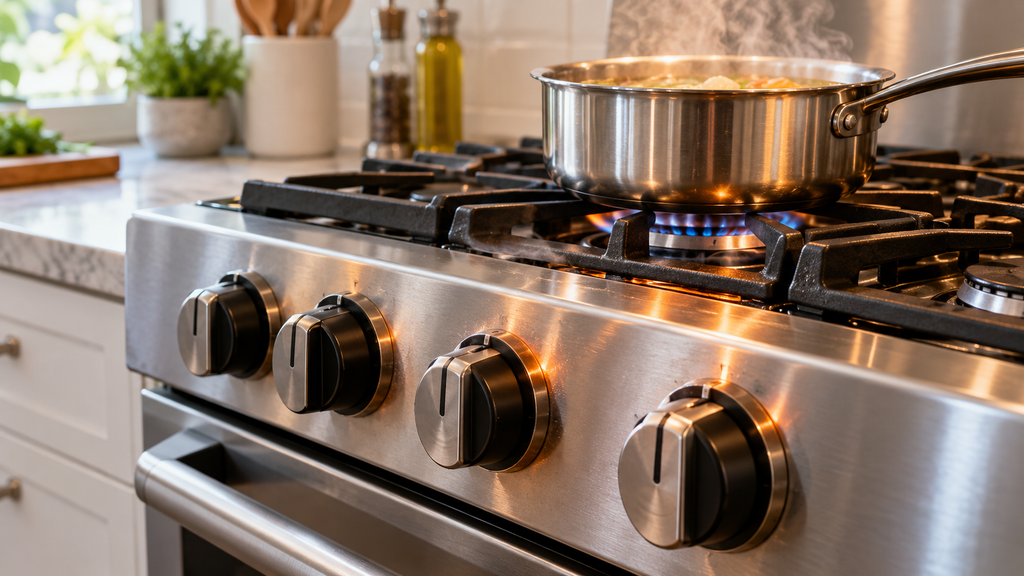
Large cookware and excessive flame can send heat toward the front of the cooktop. A missing, warped, or misplaced burner part can also change where the heat travels.
Check the gas-cooktop pattern against these possibilities.
- Oversized pan: Cookware overhang can spread heat toward the controls.
- High flame: Flame reaching beyond the pan directs heat where it is not useful.
- Burner cap problem: A missing or warped cap can disturb the flame pattern.
- Heat shield: Damage or displacement behind the knobs can expose the control area.
Why Do Oven Knobs Get Hot When the Oven Is On?
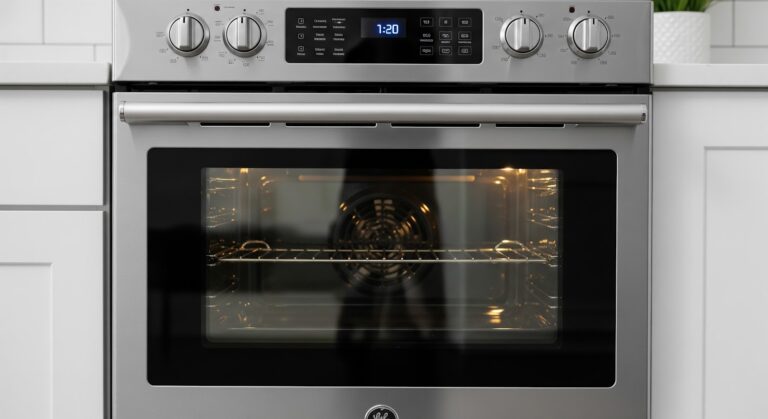
A worn door gasket, blocked vent, failed cooling fan, or shifted insulation can send oven heat toward the controls. These parts manage different heat paths, so replacing the knobs alone will not correct the cause.
Look at the type of fault rather than treating every warm area the same way.
- Door gasket: A flattened or damaged seal can let hot air escape above the door.
- Oven vent: A blocked opening can disrupt the intended path for hot air and steam.
- Cooling fan: On equipped models, loss of airflow lets heat collect near electronics.
- Insulation: Missing or shifted material lets more heat reach the outer panels.
Oven vents need to remain open. Covering one with foil to keep heat away from the knobs can make the underlying problem worse. The vent’s correct location and clearances depend on the range model.
Is It Dangerous If Stove Knobs Get Too Hot to Touch?
Do not use touch as a test: a working range can have hot surfaces. A sudden change, softened plastic, or controls that stop working correctly needs investigation. Review the model manual for normal surface heat and safe operation.
Stop use and investigate these signs.
- Knobs too hot to adjust safely
- Melting, cracking, or scorching
- Buttons or knobs that stick
- Flickering or dead displays
- Signs of heat-damaged wiring or control parts
Do not rely on a potholder as a permanent solution. It may protect your hand during one movement while the control area continues to overheat. A burnt smell, visible damage, or unreliable controls calls for the appliance to remain off until checked.
How to Fix Stove Knobs That Get Hot Step by Step
Start with a fully cool range and disconnected power. The examples below show two specific designs. Neither part is a universal replacement for hot knobs.
Phase 1: Check the Heat Path and Clear the Vent
- Check the gasket for tears, missing clips, or gaps while the oven is cool.
- Find the vent in the model manual. Remove foil or misplaced cookware; clean only accessible openings with a soft brush or vacuum.
- On a gas cooktop, check that burner caps are correctly seated. Use suitable pans and keep flames beneath the pan base.
- Record when excess heat appears. An internal fan fault needs diagnosis of both the fan and its supply.
Phase 2: Replace a Clip-Fit Door Gasket
The Whirlpool WFE540H0AS0 example uses gasket W10162385. Verify the complete model and part before following these steps.
- Open the cool oven door.
- Pull the gasket ends from their frame slots, then release its retaining clips.
- Fit the new gasket, starting at the bottom and pressing each clip into its matching hole.
- Insert the ends into the slots. Close the door and check even seating.
Do not glue a clip-fit seal or close a designed gap. Other gasket designs can require door removal.
Phase 3: Replace a Confirmed Failed Cooling Fan
This example is for Kenmore 790.46789906 with fan 318575600. It involves control and glass-top access; use qualified service if that work exceeds your skills.
- Isolate power before moving the range and unplug it.
- Remove knobs and top-panel retainers. Lift the panel and disconnect its control harness.
- Remove control-bracket screws and ground screw; disconnect the surface-element harness.
- Remove control-cover screws, free the glass-top gasket, and remove main-top screws.
- Record wire routes and lift the top forward. Disconnect fan wires; rotate the fan counterclockwise off its duct.
- Lock the matching new fan clockwise and reconnect its wires.
- Refit the top with wires clear, screws secure, and gasket aligned.
- Refit the control cover, harnesses, bracket ground, panel retainers, and knobs.
- Restore power after full assembly. Return the range safely, engaging its anti-tip bracket, and test cooling operation.
Phase 4: Have Insulation and Damaged Controls Repaired
Internal insulation is a model-specific structural repair. Have qualified service restore the correct material and position without blocking vents or crowding wiring. Replace damaged knobs with compatible parts after correcting the heat cause. Keep required installation clearances open.
Didn't fix it? Ask a technician on the AppliancePartsPros forum.
Post your model number, the symptom, and what you've already tried. Appliance techs and experienced DIYers answer for free, usually the same day.
Ask the forum →80,000+ solved repair threads · no account needed to readShould You Replace Parts or Replace the Range?
Stove knobs getting hot can come from a small accessible fault, but heat damage behind the panel changes the repair decision. Price the cause and any damaged controls together.
- Gasket, $20 to $60: A focused repair when a damaged seal is the proven heat path.
- Cooling fan, $60 to $120: Worth considering after the fan and its power circuit are diagnosed.
- Compatible knob set, $30 to $80: Replaces damaged knobs after the excess-heat cause is corrected.
- Older range with control damage: On a unit over twelve years old, compare the full repair estimate with replacement.
FAQ
When Should You Call a Technician About Hot Stove Knobs?
Call for gas-control issues, failed internal cooling, damaged insulation, or heat-damaged wiring. Keep the range off when controls melt, stick, or become unsafe to use.
Do Metal Knobs Stay Cooler Than Plastic?
Metal knobs can also become hot, so they are not a dependable fix for excess heat. Correct the heat path and choose only knobs approved for the model.
Can Clearance Around the Range Make Knobs Hotter?
Blocked ventilation and incorrect clearances can affect heat removal. Follow the model’s installation instructions rather than guessing how far to move the range.
Keeping the Controls Cool Enough to Use
The best repair for stove knobs getting hot corrects the heat source before damaged controls are replaced. Safe knob operation should come with a sound seal, clear vents, and normal cooling where fitted.
Find the door gasket, cooling fan, or replacement knobs matched to your full range model number after the failed parts are confirmed.
Still stuck after this guide?
Two free options: post your model number and symptom on the forum, or search the model number in the shop to see every part that fits.