Have you ever walked away from the stove for just a minute, only to come back to a scorched sauce stuck to the bottom of your pan? You are not alone. Many home cooks make the mistake of using too much heat when all they really need is gentle, steady warmth.
That is exactly where a simmer burner gas range feature comes in. Learning how to use it correctly can save your food, your pan, and a lot of frustration. This guide will walk you through everything you need to know, from what a simmer burner is to how to get the best results from it every single time.
What Is a Simmer Burner on a Gas Range?
A simmer burner is a burner built to produce a smaller, gentler flame than the other burners on your stove. While high-output burners are made for boiling water, searing meat, or heating things up fast, a simmer burner is made for the opposite. It is designed for slow, careful cooking.
So, what is a simmer burner used for in everyday cooking? Here are the most common uses:
- Melting ingredients like butter or chocolate
- Warming leftovers without drying them out
- Holding sauces at a steady low temperature
- Cooking delicate foods slowly over time
Think of it as the calm, patient burner on your stove. It does not rush. It just holds things at the right temperature without going overboard.
How a Simmer Burner Works
A simmer burner uses a lower gas output than standard burners. This means less fuel reaches the flame, which keeps the heat mild and steady. A smaller flame means less risk of burning or overcooking your food.
That said, the burner alone does not do all the work. The type of pan you use, the size of your pan, and how thick your food is all play a role. Even with a simmer burner, using the wrong pan or ignoring the food can lead to problems. Learning to control flame on a simmer burner setting is a skill that takes a little practice, but it is well worth it.
Why Gentle Heat Matters in Everyday Cooking
High heat is powerful, but it is also risky. When you cook something delicate on too high a flame, it can go from perfect to burnt in just a few seconds. Low heat gives you more control and more time to react.
Here are some foods that need gentle heat to turn out right:
- Cream sauces and gravy
- Oatmeal and rice
- Melted cheese and chocolate
- Scrambled eggs
- Soups and stews
- Custards and puddings
What do all these foods have in common? They are easy to ruin with too much heat. A cream sauce can break and become greasy. Chocolate can seize up and turn lumpy. Eggs can turn rubbery. Low-heat cooking on a gas range gives these foods the care they need.
How to Identify the Simmer Burner on Your Gas Range
Not every burner on your stove works the same way. So how do you know which one is the simmer burner? Here are a few clues to look for:
- A labeled control knob that says “simmer” or “low”
- A smaller BTU rating compared to the other burners
- A note in your owner’s manual pointing it out
- Placement on the cooktop, often at the front left or back of the range
If you are not sure, check your stove’s manual. Some ranges do not label the simmer burner clearly, which can be confusing. In that case, test each burner on its lowest setting and watch how the flame behaves. The burner that holds the smallest, most steady flame is likely your best choice for simmering.
How to Use a Simmer Burner on a Gas Stove
Ready to put it into practice? Follow these steps for better results every time.
1. Start With the Right Burner
Choose the burner meant for low heat. Avoid using your most powerful burner for delicate tasks, even if you turn it down. Some high-output burners have trouble staying at a true low setting.
2. Use the Right Pan
A heavy-bottomed pan, like cast iron or stainless steel with a thick base, spreads heat more evenly. Thin pans heat up too fast and create hot spots that burn your food. Match your pan to the job.
3. Preheat Gently
Do not turn the flame up high at the start just to speed things up. Even a short burst of high heat can overheat the pan, and it takes time to cool back down. Start low and stay low.
4. Adjust the Flame to Low
Set a small, steady flame. The flame should stay under the pan and not crawl up the sides. If you can see the flame curling around the edges of your pan, it is too high.
5. Watch the Food Closely
Simmering still needs your attention. Check for changes in bubbling, smell, and texture. If things start to bubble hard or you notice a scorched smell, the heat is too high.
6. Stir When Needed
Stirring helps prevent food from sticking to the bottom, especially with thick foods like sauces, oatmeal, or chili. Do not just set it and forget it.
7. Make Small Flame Changes
If the heat feels too strong or too weak, adjust the knob just a little. Big sudden changes can make things worse. Learning to control the flame on a simmer burner is all about small, careful moves.
What a Proper Simmer Looks Like
A true simmer is calm and steady. You should see small, gentle bubbles rising slowly to the surface. It is not the same as a boil, where bubbles rise fast and constantly. And it is definitely not a rolling boil, which is aggressive and loud.
Here is a quick breakdown:
| Heat Level | What You See |
| Simmer | Small, slow bubbles now and then |
| Boil | Regular bubbles breaking the surface |
| Rolling Boil | Constant fast bubbles, lots of steam |
A simmer is about stability. You are keeping food warm and cooking it slowly, not rushing it.
Best Foods to Cook on a Simmer Burner
Some foods are simply better when cooked low and slow. These include:
- Sauces and gravies that need to thicken without burning
- Soups and stews that get better with long, gentle cooking
- Custards and puddings that need slow heat to set properly
- Melted butter and chocolate that can scorch in seconds on high heat
- Rice and beans that need steady heat to cook through evenly
- Reheated leftovers that should be warmed, not cooked again
These foods respond well to lower temperatures because heat has more time to work gently and evenly through the food.
Common Mistakes That Cause Food to Burn
Even with a simmer burner, things can go wrong. Here are the most common beginner mistakes:
- Using the wrong burner and trying to turn a high-output burner way down
- Starting on high heat to speed up the process
- Leaving food unstirred for too long, especially thick mixtures
- Using a thin pan that heats unevenly
- Filling the pan too little, which makes it heat up faster
- Walking away for too long without checking
Dairy foods, sauces, and thick mixtures are the quickest to burn. They need the most attention and the most patience.
Low Heat Cooking Gas Range Tips for Better Results
Want to get even better at using low heat? Try these practical tips:
- Match pan size to burner size so heat is evenly distributed
- Keep lids slightly open to let steam escape and prevent boiling over
- Stir more often with milk-based foods like cream sauces or oatmeal
- Reduce heat early, before the food gets too hot, not after
- Move the pan off the burner briefly if the flame still feels too strong
- Use a flame tamer, which is a simple tool that sits between the burner and pan to reduce heat even more
Simmer Burner vs. Regular Burner: When to Use Each One
Not every cooking task belongs on the simmer burner. Here is a simple way to think about it:
Use the simmer burner for:
- Holding sauces at temperature
- Slow-cooking soups and stews
- Melting delicate ingredients
- Keeping food warm before serving
Use a regular burner for:
- Boiling water for pasta
- Searing meat
- Frying
- Heating large pots quickly
Some dishes start on high heat and finish on low heat. A good example is a tomato sauce. You might start it on a regular burner to get things going, then move the pot to the simmer burner to let it cook low and slow for the next hour.
Safety Tips When Using a Simmer Burner
Even a small flame needs respect. Keep these safety habits in mind:
- Never leave the flame unattended for long stretches of time
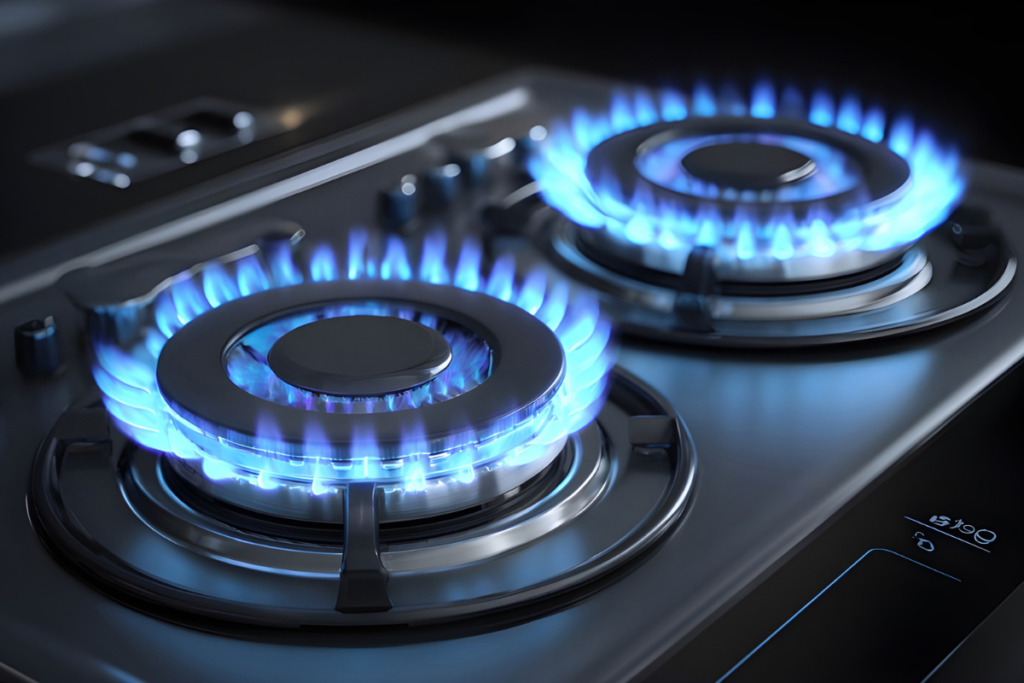
- Check that the flame is blue and steady, not yellow or uneven
- Turn pan handles inward so they do not get bumped or knocked off
- Clean grease buildup regularly to reduce fire risk
- Do not let food boil over and block the burner ports
If the flame looks weak, yellow, or uneven, stop cooking and check the burner. A dirty or clogged burner can cause problems that go beyond just bad cooking results.
How to Clean a Simmer Burner for Better Performance
A dirty burner does not work as well. Food spills and grease can clog the small ports where gas comes out, which leads to an uneven or weak flame. Here is how to keep it clean:
- Let the burner cool completely before touching anything
- Remove the grates and burner caps if your stove allows it
- Clear clogged ports gently with a toothpick or soft brush
- Keep all parts dry before putting them back together
- Wipe down the area regularly to stop grease from building up
A clean burner means a steadier flame and better control over your cooking.
Why Your Simmer Burner Still Burns Food
Still having trouble? Here are some possible reasons and easy fixes:
- The flame is still too high for the food you are cooking, so turn it down more
- Wrong cookware is causing hot spots, so switch to a heavier pan
- Dirty burner ports are causing uneven heat, so clean the burner
- Pan is too small and overheats quickly, so use a larger one
- Food is too thick to cook unattended, so stir more often
- Burner is not truly designed for simmering, so try a flame tamer
If none of these fixes work, the burner itself may need a professional look.
Related guides
- Oven Display Not Working? Causes and How to Fix It
- GE Range Terminal Block Replacement: Signs, Causes, and Fix Guide
Brief Recap
Learning to use a simmer burner gas range setting the right way is one of the best skills a home cook can build. It is not about doing less. It is about controlling heat better so your food turns out the way it should every single time.
The key is simple: use the right burner, choose a heavy pan, start low, and pay attention. Small adjustments beat big mistakes. With a little practice, you will stop burning sauces and start enjoying the kind of steady, reliable cooking that makes every meal better.
When the test points to the part, shop range oven parts for your model and confirm the fit with the full model number before ordering.