

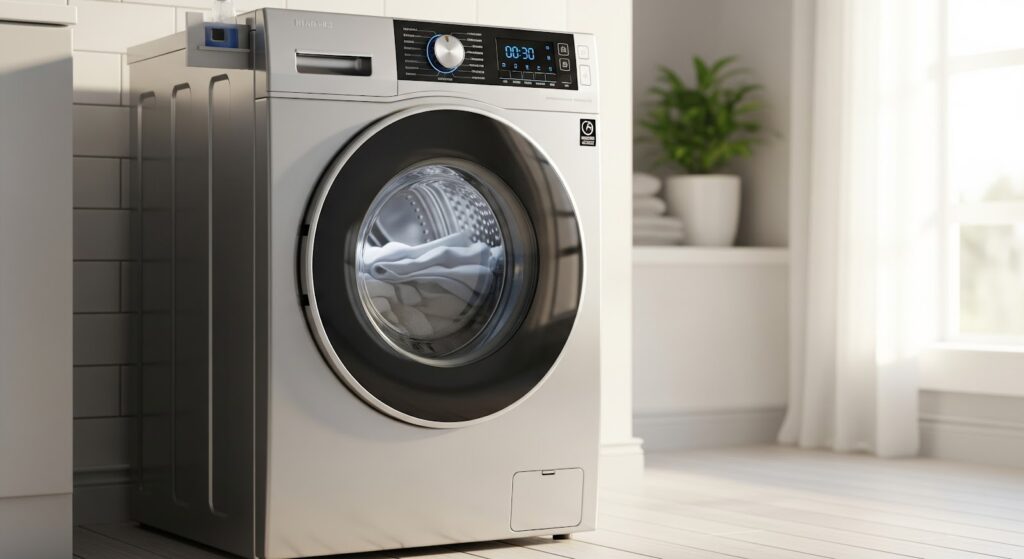
A leaking washer can turn laundry day into a frustrating cleanup session. One common cause is a damaged door boot seal. This rubber gasket keeps wash water contained inside the machine, and once it wears out or tears, leaks often follow. Replacing it is a straightforward project that can save money and prevent further issues.
This guide explains what the door boot seal does, when to replace it, and the tools needed for the repair.
Why Replace a Washer Door Boot Seal
The door boot seal, also called the door gasket, is a thick rubber ring that forms a watertight barrier between the drum and the front panel. When it becomes worn, cracked, or punctured, water may begin pooling around the door area during a wash cycle.
Damage often happens when small objects are left in pockets, including coins, keys, or tiny stones. Excessive detergent or bleach can weaken the rubber over time. A quick inspection usually reveals visible damage. You can also run your hand along the surface to feel for tears or thin spots.
Leaking water should not be ignored. Prolonged exposure to soapy water can harm internal components and lead to more expensive repairs. A persistent mold or mildew odor may also indicate that the boot needs a thorough cleaning or possibly replacement.
Common Signs of a Failing Door Boot Seal
Recognizing early symptoms helps prevent additional water damage. Watch for the following:
- Visible cracks or tears along any section of the gasket
- Water collecting beneath the front of the washer after a cycle
- Residue or grime buildup that does not wash away
- Persistent mildew smell even after cleaning
- Loose or sagging sections that no longer sit flush against the drum
Tools You Will Need
Gather these items before starting:
- A compatible replacement door boot seal
- Phillips and flathead screwdrivers
- Five-sixteenth-inch nut driver
- Pliers and needle-nose pliers
- One zip tie
- Scissors
- A small, solid piece of wood
- Spring clamp retainers, if required
- Work gloves
How to Replace a Washer Door Boot Seal
Below are the steps to remove the old door boot seal and install a new one.
Remove the Top Panel and the Control Panel
- Unplug the washer and turn off the water supply.
- Remove the two retaining screws on the back of the top panel.
- Slide the top panel back and lift it off.
- Pull out the detergent dispenser until it stops.
- Press the release tab at the back of the dispenser and remove it.
- Remove the two screws located behind the detergent dispenser.
- Remove the two screws on either side of the top of the frame that secure the control panel.
- Lift the three plastic tabs along the top of the control panel.
- Roll the control panel back out of the way without disconnecting wires.
Remove Outer Boot Seal
- Open the washer door and lift the boot seal slightly at the bottom.
- Locate the outer boot seal clamp spring and remove the clamp using needle-nose pliers.
- Push the boot seal away from the front of the washer.
Access the Front Panel
- Close the washer door.
- Tip the washer back slightly and place a sturdy wood block under the front.
- Remove the four bottom screws along the underside of the front panel.
- Lower the washer and remove the wood block.
- Remove the remaining screws securing the top of the front panel.
- Lift the front panel off the mounting brackets and rotate it to the side without disconnecting wires.
Remove Old Boot Seal
- Remove the white vent tube from the top of the boot seal.
- Cut or loosen any zip tie or clamp holding the vent tube before removing it.
- Lift the inner edge of the boot seal and locate the inner boot seal clamp.
- Remove the inner clamp by hand or with a flathead screwdriver, depending on clamp type.
Install New Boot Seal
- Apply a small dab of liquid soap to the edge of the washer drum.
- Align the new boot seal so the arrow or triangle points to 12 o’clock.
- Seat the divot beneath the arrow onto the drum’s tab at 12 o’clock.
- Work the new seal around the drum edge by hand.
- Reinstall the inner clamp by securing it around the new seal.
- Reinstall the vent tube on top of the boot seal.
- Secure the vent tube with a new zip tie and trim the excess.
Reinstall Front Panel
- Reinstall the front panel onto the washer.
- Install the screws across the top of the front panel.
- Tip the washer back again and support it with the wood block.
- Install the four bottom screws.
- Lower the washer back to the floor and remove the wood block.
Install Outer Boot Seal
- Pull the boot seal lip over the front opening of the washer.
- Install the outer boot seal clamp and stretch the spring into place.
- Open and close the washer door to check alignment.
Reassemble the Control Panel and the Top Panel
- Reinstall the control panel by aligning the top tabs and pressing until it clicks.
- Reinstall the two screws above the control panel.
- Reinstall the two screws behind the detergent dispenser.
- Slide the detergent dispenser back into place.
- Reinstall the top panel by sliding it forward and securing the two screws.
Final Check
- Plug the washer back in and turn on the water supply.
- Run a test or empty wash cycle and check for leaks or unusual noises.
How to Reduce Future Wear on the Door Boot Seal
A few simple habits help the new seal last longer. These practices support better washer care:
- Empty pockets before washing to remove coins, keys, and small metal pieces
- Use the recommended amount of detergent to avoid chemical wear on rubber
- Wipe moisture from the gasket after each use to reduce mold growth
- Leave the washer door slightly open between loads to help the interior dry
- Clean the boot seal regularly with mild soap or white vinegar
- Remove pet hair or lint around the opening to prevent buildup in the gasket folds
Summing Up
Laundry days feel a lot smoother when your washer isn’t leaving puddles on the floor. A worn door boot seal might look like a small problem, yet fixing it brings your machine back to normal quickly. You now know what to look for, what tools to grab, and how each step comes together. A fresh seal keeps leaks away and helps your washer run the way it should. A little routine care also goes a long way, so simple habits can help the new gasket last. With the right approach, you can keep your washer in good shape and avoid future surprises.