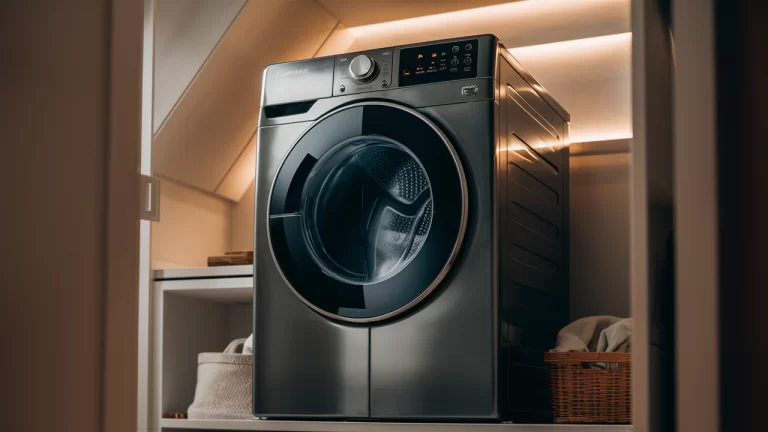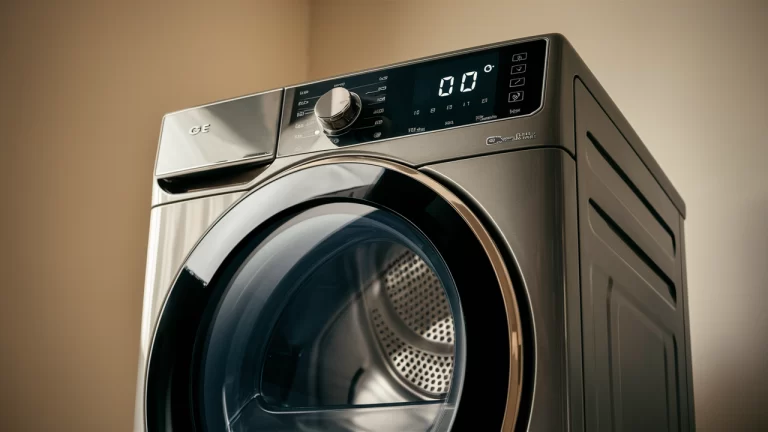
Is your dryer making strange rattling, rumbling, or squeaking noises? The bothersome sounds of a malfunctioning dryer can be frustrating to deal with while trying to get your laundry done. But don’t worry – in most cases, dryer noise can be fixed with some simple troubleshooting and repairs.
This article will explore the most common causes of dryer noise and provide practical solutions to restore peace and quiet to your laundry room. We’ll cover topics like:
- Worn-out belts and rollers
- Misaligned drums
- Clogged vents
- Loose parts
- Faulty motors
- Unbalanced loads
We’ll also look at preventative maintenance steps you can take to avoid noise issues in the first place. We’ll discuss whether DIY repairs or professional technicians are the best solution, depending on the issue.
By the end, you’ll be able to diagnose what’s causing noise in your dryer. And you’ll be armed with the knowledge to fix it through maintenance, repairs, or professional service. With a few simple fixes, you can get your dryer spinning and drying quietly again!
Common Causes of Dryer Noise
A noisy dryer can be annoying and frustrating. Understanding what is causing the noise can help you fix the problem. Here are some of the most common causes of dryer noise and what to do about them:
1. Worn-Out Belts
Belts are rubber bands that connect the motor and drum in a dryer. Over time, these belts can become cracked, loose, or frayed. When belts wear out, they can make squeaking, squealing, or rubbing noises.
To check for worn belts:
- Remove the dryer back panel to access the belts. Look for cracks, glazing, or fraying.
- Try tugging on the belts. They should be tight. Loose belts will make noise.
- Consider replacing belts every 2-3 years to prevent noise issues. New belts are inexpensive.
Replacing belts is an easy DIY fix that can stop the annoying sounds!
2. Misaligned Drums
The drum rests on rollers inside the dryer. If the drum gets knocked out of position, it can rub against the dryer, causing loud noises.
To check for drum alignment:
- Remove the front panel to expose the drum. Spin it manually to see if it rubs.
- Check that the rollers allow the drum to spin smoothly. Misaligned rollers can skew the drum.
- Adjust the rollers and use shims to re-center the drum if needed.
Getting the drum re-aligned can restore quiet operation.
3. Clogged Vents
For the dryer to work properly, air must flow freely through the vent system. Lint and debris blockages restrict air flow. This can cause the dryer to run hotter and louder as it struggles to push air through clogs.
To prevent clogged vents:
- Clean the lint screen before every load.
- Use a vent brush to remove lint buildup inside the ductwork.
- Vacuum the dryer vent hood outside your home.
- Consider having a dryer vent cleaning service clear severe clogs.
Unclogging vents allow air to flow freely again for a quieter dryer.
4. Loose Screws and Parts
The constant motion and vibration of a dryer can cause screws and internal parts to become loose over time. Rattling, banging, and grinding noises could mean something is loose inside the dryer.
To tighten loose parts:
- Remove the front and rear panels to access the inside of the dryer.
- Inspect screws on the drum, rollers, pulleys, and brackets. Tighten any loose screws.
- Check that all clamps and fasteners are secure. Tighten as needed.
- Examine the drum for any loose internal parts rattling around. Secure as needed.
Tightening everything up can help restore quiet operation. Loose parts will continue to make noise if not secured.
5. Faulty Motors
The motor drives the drum and blower in an electric dryer. Faulty motors can make buzzing, grinding, or squealing noises. Signs of a failing motor include:
- Strange humming or increased loudness coming from the motor area.
- The dryer not starting at all.
- The drum failed to turn during the operation.
To diagnose, remove the rear panel, and visually inspect the motor. Turn the drum manually to check for grinding noises. If faulty, the motor will need professional replacement.
6. Imbalanced or Unbalanced Drum
The drum should spin smoothly and evenly for quiet operation. An uneven distribution of weight inside the drum can cause it to wobble or rub. This imbalance leads to banging and rattling noises, especially at high speeds.
To rebalance and adjust the drum:
- Manually rotate the empty drum to see if it spins evenly.
-Rearrange items in the drum to better distribute weight. - Adjust drum rollers and supports to reduce wobble.
- Have a technician balance and align the drum if needed.
Balancing the drum helps it spin smoothly and quietly.
Solutions for Dryer Noise
Dealing with dryer noise? There are ways you can try to make your dryer quiet again. Here are some helpful solutions:
1. Regular Maintenance
Performing routine maintenance can prevent many dryer noise issues. Here are some easy maintenance tips:
- Clean the lint filter before every load – lint buildup can restrict airflow.
- Use a vent brush to clean the ductwork monthly – this prevents blockages.
- Vacuum the dryer vent hood outside your home regularly.
- Inspect belts and drum rollers yearly – replace worn parts.
Staying on top of maintenance allows your dryer to run smoothly and quietly.
2. DIY Repairs
Many dryer noises can be fixed with easy DIY repairs:
- Replace worn belts – this is an inexpensive fix that takes 15 minutes.
- Tighten loose screws and parts – simply grab a wrench and tighten everything inside the dryer.
- Clean clogged vents – use a vent brush and vacuum to remove lint and debris.
Before attempting repairs, unplug the dryer and consult a repair guide. With basic tools and safety precautions, many noises can be fixed at home.
3. Professional Assistance
For complex dryer issues, it may be best to seek professional assistance. A technician has the skills and experience to diagnose and fix problems like:
- Misaligned drums need adjustment
- Motor problems requiring replacement
- Severe vent clogs that are difficult to clear
Find a reputable appliance repair company and have them assess the issue. While this costs more than a DIY fix, it ensures the job is done properly to eliminate the noise.
Trying regular maintenance, DIY repairs, and professionals when needed are all good ways to troubleshoot bothersome dryer noise. With some time and effort, you can likely get your dryer running quietly again.
Related guides
- A Guide to Checking Voltage for Optimal Kenmore Electric Dryer Performance
- Signs of a Faulty Kenmore Dryer Blower Wheel and How to Fix It
Conclusion
Dealing with a noisy dryer can be super frustrating. But hopefully, you will now have a better understanding of what causes common dryer noises and how to fix them.
To recap, some top causes of dryer noise include:
- Worn belts or rollers
- Clogged vents
- Loose parts
- Misaligned drums
- Faulty motors
- Unbalanced loads
Regular maintenance like cleaning vents, replacing belts, and tightening parts can prevent noise issues. Simple DIY repairs can fix problems like worn belts or clogged vents. For complex issues, professional repair technicians have the expertise to identify and correct the problem.
With some diligent troubleshooting and repairs, you can likely get your noisy dryer humming along quietly again. No more loud rumbling or squeaking interrupting your laundry time! Getting to the source of the noise and fixing it will restore some peace and quiet to your laundry room.
Once you know which part failed, find the matching dryer parts by model number so the replacement fits the first time.