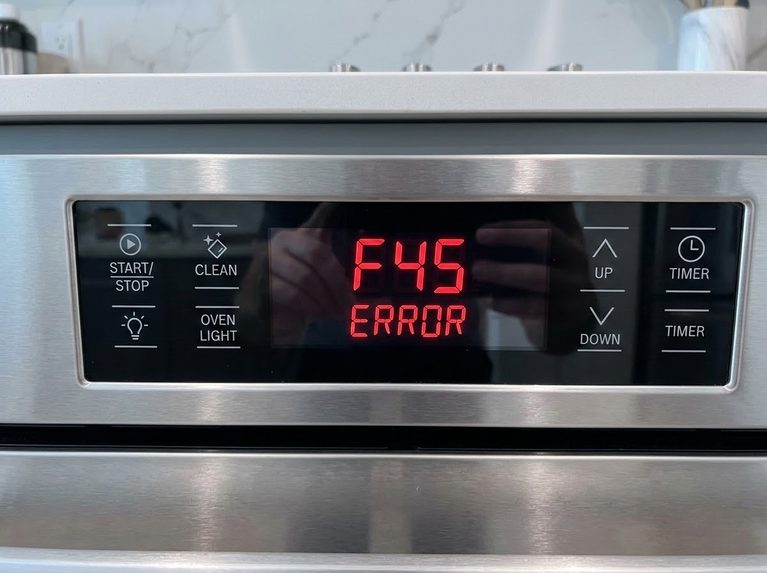
Frustrated by the annoying F1 error appearing on your shining glass induction cooktop? You’re not alone – this bothersome error code plagues many owners of these innovative stoves. But take heart, fixing the F1 error is usually quite simple. With just a few basic troubleshooting steps and some common household tools, you can determine whether your induction cooktop’s temperature sensor or electrical connections need attention. Follow this guide to understand the root causes of the F1 error and precisely repair your high-tech cooktop so you can get back to the joy of speedy, mess-free induction cooking.
Understanding Induction Cooktops
Induction cooktops are a popular type of stove that uses electromagnetic energy to heat pots and pans. But how do they actually work? And what are the pros and cons of induction cooking? This section will explain the basics so you can decide if an induction cooktop is right for your kitchen.
How Does Induction Cooking Work?
Induction cooktops use magnetic energy to instantly heat up cookware. Underneath each cooking zone is a coil of copper wire. When you turn on a zone, an electric current flows through the coil and creates a magnetic field. This magnetic field excites the molecules in the bottom of the pot or pan placed on the cooking zone, causing them to vibrate very fast. All this vibration creates heat that cooks the food. Induction cooktops only heat up the pan, not the surface around it.
The best way to understand it is that the cooktop itself doesn’t get hot. The pan gets hot from the inside out. Pretty neat, right?
What Are the Advantages of Induction Cooktops?
There are a few key benefits to induction cooking:
- Fast heating: The pan itself heats up almost instantly, rather than relying on heat from an electric coil or gas burner. Water can boil in under 2 minutes!
- Energy efficiency: Because heat goes directly to the pan, not the surrounding surfaces, induction cooktops waste less energy. Some estimate they use 10-20% less electricity than traditional electric ranges.
- Cooler kitchen: Again, since only the pan heats up, the stovetop stays much cooler compared to gas or electric. This reduces the ambient heat in your kitchen.
- Safer: Without open flames or hot heating elements, induction cooktops are less of a burn or fire hazard. The surface stops heating immediately when a pan is removed.
- Easy to clean: With flat glass surfaces, spills and messes wipe up easily. No more burnt-on food to scrub!
What Problems Can Happen With Induction Cooktops?
While induction has many perks, there are a few potential downsides:
- They only work with pans made of ferromagnetic metals like cast iron or stainless steel. Regular aluminum and copper pots don’t get hot on an induction burner.
- Electronics and sensors under the glass surface are prone to failures from normal wear and tear over time. This can lead to error codes and the need for repairs.
- They require 220V electrical hookups, which are less common in homes. Installation may be more complicated.
- Because they use computerized controls, induction cooktops are more complex appliances. This means there is more that could potentially go wrong.
Hopefully this overview gives you a better understanding of how induction cooking works and whether it is the right fit for your kitchen!
What Causes the F1 Error Message on an Induction Cooktop?
Seeing an F1 error pop up on your induction cooktop display can be frustrating. But don’t worry – this error is usually caused by just a couple issues that can be fixed.
Faulty Temperature Sensor
The most common reason for the F1 error is that the temperature sensor under the left cooking zone has failed or is malfunctioning. This sensor reads the temperature of the coil and communicates this data to the control board.
Over several years of daily use, the sensor can degrade or fully stop working. This leads to inaccurate or missing temperature readings, triggering the error code. The sensor will need to be replaced.
Power Problem at the Left Generator
The other potential cause of an F1 error is an electrical issue with the generator board on the left side. This board converts the 220V power to the right voltage and current for the temperature sensor to operate.
If there is a loose wire or faulty component on the generator board, the sensor may not get sufficient power to take accurate readings. Troubleshooting the electrical connections and generator board can identify and fix such problems.
In most cases, the F1 error points to a problem with either the temperature sensor itself, or the electrical power feeding the sensor. Following some DIY troubleshooting steps can help pinpoint the exact cause on your induction cooktop. Knowing the possible causes is the first step to resolving that frustrating F1 code!
Step-by-Step Guide to Fixing the F1 Error
Dealing with appliance error codes can be frustrating. But fixing the F1 error on your induction cooktop is totally doable with some simple troubleshooting. Follow these steps to get your cooktop working again:
Step 1: Test the Left Temperature Sensor
The first thing to check is the temperature sensor under the left cooking zone.
- Unplug the induction cooktop from the wall outlet. Safety first!
- Remove any panels or screws to access the internal components.
- Find the round sensor attached to the copper coil for the left burner.
- Use a multimeter to measure the sensor’s resistance. Set the multimeter to the Ω symbol.
- Place the multimeter probes against the two terminals on the sensor.
- A good sensor will read between 500 to 550 KΩ at room temperature.
- If the reading is way off, the sensor is likely faulty. Replace it with a new one.
Step 2: Check the Control Board Wiring
If the sensor tests fine, the issue could be with the wiring:
- Inspect where the wires connect to the control board for looseness or damage.
- Reseat any loose wire connections by firmly pushing them back in place.
- Replace any wires that are cracked or burnt. Use electrical tape to secure new wiring.
- Use the multimeter to check for continuity in the wires. You should hear a beep.
- If the wiring checks out ok, the last resort is replacing the control board itself.
With some basic tools and patience, you can troubleshoot an F1 error on your induction cooktop. First test the sensor, then wiring issues. Follow the steps above to get cooking again!
Caring for Your Induction Cooktop
Induction cooktops may seem high-tech, but caring for them involves many of the same tips as traditional electric ranges. Follow this basic maintenance to prevent issues and keep your cooktop looking great.
Cleaning Tips
- Wipe up spills as soon as they happen. Burnt-on food is harder to remove.
- Use a ceramic or glass cleaner made specifically for cooktops. Avoid abrasive cleaners that could scratch.
- For really stubborn dried spills, lay a damp paper towel or cloth on top. Let it sit for 30 minutes to soften the mess before scrubbing. The moisture helps lift caked-on grime.
- Buff the surface dry with a microfiber cloth once cleaned. This prevents water spotting.
- Deep clean the whole cooktop every 1-2 months. Regular cleaning prevents long-term buildup.
Use the Right Cookware
Induction cooktops require cookware made of ferromagnetic metals like cast iron, steel, or magnetic stainless steel. Using the right pots and pans prevents many issues:
- The cooktop won’t turn on at all with regular aluminum or copper cookware.
- Pans with rough bottoms could scratch the glass surface over time.
- Uneven pan bottoms heat unevenly and slowly.
- Always lift rather than slide pans to prevent scratches.
Prevent Problems With Maintenance
- Visually inspect the cooktop for cracks or damages that occur over years of use.
- Check that ventilation systems are working properly to prevent overheating components.
- Test induction functionality periodically by placing a pan on each cooking zone. The pan should heat up immediately.
By following these care tips, your induction cooktop will cook like new for many years! Let your pans do the hard work.
Related guides
Wrapping Up
Hopefully this guide gave you a good understanding of how induction cooktops work and how to troubleshoot common issues like the F1 error code. Here are some key takeaways:
- Induction cooking uses magnetic energy to heat pans directly instead of heating the cooktop surface. This makes it fast, energy-efficient, and safer than gas or electric ranges.
- The F1 error almost always means the left temperature sensor is faulty or not getting power. Following the troubleshooting steps can help identify the exact problem.
- With some DIY repairs, you can often fix the F1 error yourself saving the cost and hassle of a service call.
- Maintaining your induction cooktop involves regular cleaning, using the right cookware, and periodic inspections to prevent problems.
Induction is an amazing technology that makes cooking faster and more comfortable. But like any appliance, issues can come up after years of use. Now you have the knowledge to troubleshoot and fix problems like the F1 error code. Hopefully you feel empowered to repair and care for your induction cooktop. Happy cooking!
With the cause confirmed, order the range oven parts for your exact model and keep the old part until the repair has passed a full cycle.