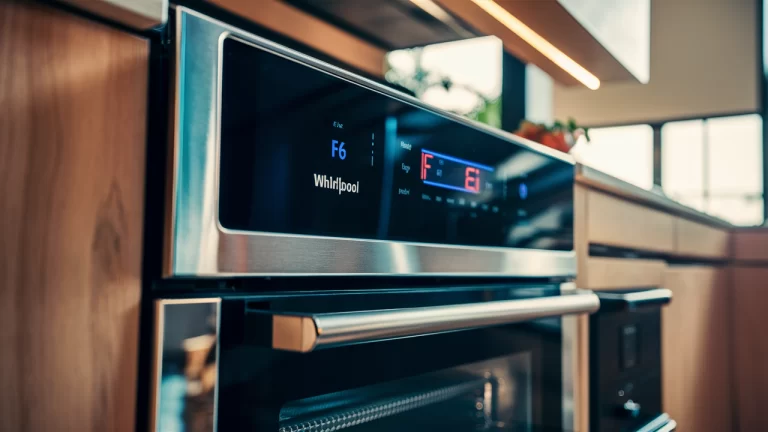
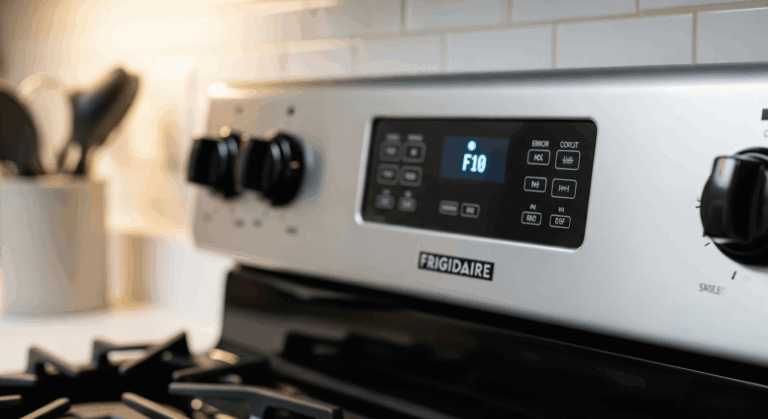
Dealing with appliance issues can be frustrating, but safety should always come first. If your Frigidaire electric range is displaying an F7 error code, it’s alerting you to a potential problem with the keypad that controls oven functions. before doing any troubleshooting, take steps to protect yourself from electrical shocks. Power down the range completely and let it fully cool off. Then, follow the detailed guidelines to carefully inspect components and wiring for damage or faults.
Staying Safe While Troubleshooting Your Electric Range
When appliance issues happen, it’s understandable to want to fix the problem yourself. However, safety should be the number one priority when troubleshooting an electric range. Rushing in without caution can lead to electric shocks, burns, or even worse injuries. Let’s go over some tips to keep you safe.
Power Down Completely
Before doing any work on your range, be sure to:
- Unplug the power cord from the outlet
- Turn off the circuit breaker for the range
This cuts electricity flow to prevent shocks. Never work on an appliance while plugged in!
Give It Time to Cool
Electric ranges generate lots of heat. Before troubleshooting:
- Let the range cool for at least an hour after turning off
- Check that oven or cooktop surfaces are room temperature
Trying to work on a hot range can cause burns. Be patient and let it cool completely.
Work Slowly and Carefully
Troubleshooting can involve small spaces and fragile parts. Avoid injury by:
- Working deliberately without rushing
- Paying close attention to your movements
- Looking before touching any range areas
Keep Your Workspace Clear
Before getting started, clear the area around the range of things like towels, bags, and appliance accessories. Make sure you have ample working room. Clutter leads to slips and falls.
Have Good Lighting
Troubleshooting tasks often involve working inside cramped areas of the range. Be sure to have:
- A working flashlight on hand
- Portable shop lights positioned to directly light the range interior
- Draw curtains open to allow daytime sunlight in
Poor visibility increases the chance of personal injury. Take time to set up adequate lighting.
Use the Manual
Every make and model has specific maintenance procedures. Consult your owner’s manual to:
- Find recommended safety gear
- Learn danger areas to avoid
- Get step-by-step repair instructions
Don’t rely on guesses. The manual gives custom guidance.
Handle Parts with Care
Electric ranges house delicate components like:
- Heating coils
- Control boards
- Wiring
When removing or replacing parts:
- Work slowly to avoid damage
- Avoid pulling or twisting wires
- Grasp components gently but firmly
Damaging range electronics through rushed handling usually makes issues worse!
Insulate Yourself Properly
Even an unplugged range contains live voltage danger. Wear:
- Rubber-soled shoes to prevent shocks
- Insulated gloves when handling components
Use Caution with Exposed Wires
Opening up a range often reveals internal wiring. If working with or near exposed wires:
- Avoid contact with wire endpoints or connectors
- Do not nick insulation with tools
- Double-check that wires are disconnected from the power
Damaged or powered wires can provide dangerous shock pathways. Proceed with great care around wire connections.
Take Notes and Photos
Appliance interiors house many cables and connectors. Before unplugging anything:
- Take photos of wire routes
- Make sketches of component layouts
- Label wires with tape
Documenting helps with proper reassembly and avoiding mix-ups.
Know Your Limits with Electricity
If you’re uncomfortable working around exposed voltage:
- Avoid testing powered components yourself
- Call an appliance repair technician instead
Fixing F7 Errors – Step-by-Step
Let’s walk through how to troubleshoot common causes of F7 errors on electric Frigidaire ranges. Always refer back to the safety tips from the previous section before attempting repairs.
Step 1: Check the Potentiometers
Potentiometers control the flow of electricity in your range. To test them:
- First, unplug the range from the wall outlet. Safety first!
- Locate the potentiometers on the user interface board. They look like small boxes with exposed metal pins.
- Set your multimeter to resistance mode (Ohms).
- Touch the meter probes to the outside pins of each potentiometer.
- Check the meter reading. Is resistance in the correct range printed on the part?
- Now, turn the shaft in the middle of each potentiometer. Resistance should increase/decrease smoothly.
- Do the readings stay in the proper ranges? If not, replace that potentiometer.
Having problems grasping electrical terms? Let’s break it down:
- Multimeter – A tool used to measure electricity.
- Resistance – How much potentiometers control and direct electric flow.
- Reading range – The min/max resistance allowed for correct operation.
Now you know how to test these important parts! Let’s keep going.
Step 2: Inspect the Wiring Harness
The wiring harness connects internal range components. To check it:
- Disconnect the harness from the user interface board and oven motherboard.
- Inspect harness wires and connectors for damage. Look closely!
- Set your multimeter to continuity mode. This tests if electricity can flow uninterrupted along a wire.
- Touch probes to wire endpoints while checking meter readout.
- Does it show full continuity? If the wiring passes electricity normally, it’s good!
- If probes detect a break in continuity, replace the harness.
Related guides
- Troubleshoot and Fix the Thermador Oven E12 Error Code Guide
- Samsung Range Dual Infinite Switch Troubleshooting and Replacement
Wrapping Up
We’ve covered a lot of ground when it comes to:
- Electric range safety precautions
- Step-by-step troubleshooting for F7 error code
- Guidance on replacing faulty parts
Key Takeaways
Where should you start when facing F7 or other error code?
- Review safety guidelines – working on energized appliances without proper know-how can be extremely dangerous.
- Consult your owner’s manual – each make/model has custom repair procedures.
- Inspect simple parts first – test inexpensive components like potentiometers and wiring before replacing complex boards or electronics.
- Consider help from appliance pros – technicians have specialized tools and licensing to troubleshoot safely.
Working on appliances can be daunting, but also very empowering when fixed successfully using your own hands. We hope these guides give you the confidence to troubleshoot issues while keeping safety the #1 priority.
With the cause confirmed, order the range oven parts for your exact model and keep the old part until the repair has passed a full cycle.