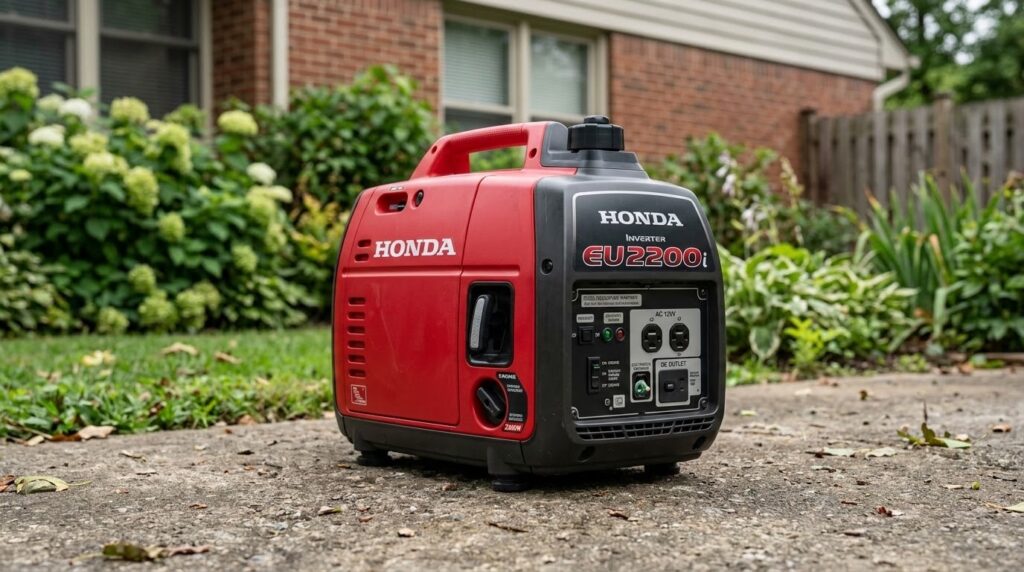
A portable generator can be a big help during a power outage, on a camping trip, or while working outside. But like any machine with an engine, it needs care. One of the most important jobs is a portable generator oil change.
Does that sound hard if you have never done it before? It does not have to be. Once you know the steps, this job is simple, safe, and worth learning. Fresh oil helps your generator run better, last longer, and avoid damage that can cost a lot to fix.
This guide walks you through the full process in plain language. You will learn why oil changes matter, how often to do them, what tools to gather, and how to change the oil step by step at home.
Quick diagnosis table
If the generator misbehaves after the oil change, these are the checks the guide points to, all of them quick.
| Symptom detail | Likely cause | What to check | Fix or part |
|---|---|---|---|
| Will not start after oil change | Low oil, fuel, switch or plug wire | Check oil level, fuel, switches, plug wire | Top up oil, reconnect plug wire |
| Oil leaks at the drain plug | Plug loose or missing washer | Check plug tightness and washer | Tighten plug, new drain plug washer |
| Oil seeps at fill cap or dipstick | Cap seal or dipstick not seated | Inspect fill cap seal, reseat dipstick | Reseat cap and dipstick |
| Smoke that does not clear | Engine overfilled with oil | Recheck level on the dipstick | Drain excess to correct level |
| Dipstick reads high or low | Uneven surface giving false reading | Confirm generator is on flat ground | Move to level spot, recheck |
| Shiny bits in drained oil | Metal particles from wear | Look at drained oil in the pan | Normal in break in, else get checked |
Why a Portable Generator Oil Change Matters
Your generator engine has many moving parts inside. These parts rub against each other while the engine runs. Oil helps protect them.
Clean engine oil does a few very important things:
- It lubricates moving parts
- It reduces friction
- It helps control heat
- It carries dirt and tiny bits of metal away from engine parts
Over time, oil gets dirty and breaks down. When that happens, it cannot protect the engine as well. Old oil can lead to:
- More wear on engine parts
- Poor engine performance
- Hard starting
- Higher engine heat
- Shorter generator life
Think about it this way. Would you want your generator to fail when the power goes out? Most people would not. That is why regular oil changes are such a smart habit.
How Often Should You Change Generator Oil?
There is no single answer for every generator. Different brands and models have different needs. Still, there are some common rules that help.
First oil change
Many portable generators need their first oil change after only a short period of use. This first change is important because a new engine may release tiny metal particles during break-in.
Always check your owner’s manual, but many small generators call for the first oil change after the first 20 to 30 hours of use.
Regular oil changes
After that, many generators need fresh oil every 50 to 100 hours of operation. Some need it sooner if they work in:
- Hot weather
- Dusty areas
- Heavy use conditions
- Long run times
If you only use your generator once in a while, you should still check the oil and change it based on the manual’s time guide, too. Even unused oil can age over time.
Signs your oil may need changing
Not sure if it is time yet? Look for these signs:
- Oil looks very dark or dirty
- The generator runs hotter than usual
- The engine seems rough or noisy
- You smell burnt oil
- You cannot remember the last change
If any of these sound familiar, your generator may be asking for fresh oil.
Tools and Supplies You Need
Before you start your portable generator oil change, gather everything first. This makes the job easier and keeps the mess down.
Basic tools
You will likely need:
- Oil drain pan
- Funnel
- Clean rags or paper towels
- Gloves
- Safety glasses
- Wrench or socket set if the drain plug needs one
Supplies
You should also have:
- The correct engine oil
- A container for used oil
- Cardboard or an absorbent pad for spills
- A new drain plug washer if your model uses one
Why the manual matters
Your owner’s manual tells you:
- The correct oil type
- The correct oil amount
- The drain plug location
- The right oil check method
Can you guess what causes many beginner mistakes? Yes, it often skips the manual and tries to guess.
Choosing the Right Oil
Not all engine oil is the same. Using the wrong one can hurt performance and engine life.
Common oil types for portable generators include:
- SAE 30 for warmer weather
- 10W-30 for a wider temperature range
- Synthetic oil for better flow in some conditions, if approved by the maker
The best choice depends on your:
- Generator model
- Climate
- Usage conditions
For example, if you live in a cooler area, oil that flows better in cold weather may help with easier starts. If you use the generator in hot weather, another oil grade may be better.
Avoid these common mistakes:
- Using oil without checking the manual
- Mixing oils without knowing if it is okay
- Using the wrong viscosity for the weather
- Overfilling because you guessed the amount
Safety Steps Before You Begin
Safety comes first. Even a simple portable generator oil change should be done with care.
1. Turn the generator off
Make sure the engine is fully off.
2. Let it cool down
Warm oil drains better than cold oil, but the engine should not be so hot that it can burn you. Let it sit for a bit after running.
3. Move it to a safe work area
Use a spot that is:
- Flat
- Stable
- Well ventilated
- Easy to clean if oil spills
4. Prevent accidental starting
If your manual recommends it, disconnect the spark plug wire before working.
5. Protect the ground
Place a cardboard or a pad under the machine to catch drips.
These steps may seem small, but they make the whole job safer and cleaner.
Portable Generator Oil Change Step by Step
Now let’s get into the full process.
Step 1: Gather all tools and supplies
Set everything close by before you start. That includes the oil, funnel, pan, and rags. Why stop halfway through and hunt for a wrench with oily hands?
Step 2: Warm the engine slightly if needed
If the generator has been sitting for a long time, run it for a few minutes. Slightly warm oil drains more easily. Then turn it off and let it cool just enough to handle safely.
Step 3: Find the oil fill cap, dipstick, and drain plug
Most portable generators have:
- An oil fill cap or dipstick on the side of the engine
- A drain plug near the lower part of the engine
Check the manual if you are unsure. Every model is a little different.
Step 4: Place the drain pan under the drain area
Make sure the pan is in the right spot before opening anything. This helps catch the oil and keeps the area neat.
Step 5: Remove the oil fill cap or dipstick
This allows air into the system and helps the old oil drain more smoothly.
Step 6: Remove the drain plug
Use the right wrench if needed. Turn the plug carefully and let the oil flow into the pan.
At this stage, be patient. Let it drain fully. Rushing this part leaves dirty oil inside.
Step 7: Inspect the old oil
Take a quick look at the drained oil. Is it very black? Thick? Does it have shiny bits in it? Dark oil usually means it was time for a change. Tiny metal bits in a new engine can be normal during early use, but large amounts may point to a problem.
Step 8: Reinstall the drain plug
Once the oil is fully drained:
- Wipe the area clean
- Put the plug back in
- Tighten it firmly, but do not overtighten
Too loose can cause leaks. Too tight can damage threads.
Step 9: Add fresh oil slowly
Insert the funnel into the oil fill opening. Pour in the new oil a little at a time.
Do not dump the whole bottle in at once. Why risk overfilling when you can go slowly and get it right?
Step 10: Check the oil level
Use the dipstick the way your manual says. Some dipsticks are checked by setting them in place without screwing them in. Others may be checked differently.
Add more oil only if needed. The goal is the correct level, not the most oil possible.
Step 11: Clean the area
Wipe away any spilled oil around the fill point or engine case.
Step 12: Start the generator briefly
Run the generator for a short time, then turn it off. Let the oil settle for a minute, then recheck the oil level.
Also, look for leaks around:
- The drain plug
- The fill cap
- The dipstick area
If all looks good, your portable generator oil change is done.
Common Mistakes to Avoid
Beginners often make the same few mistakes. The good news is that they are easy to avoid.
Overfilling the oil
Too much oil can cause:
- Smoke
- Poor running
- Extra engine pressure
- Possible damage
Using the wrong oil
The wrong oil may not protect the engine well in hot or cold weather.
Forgetting the drain plug
This is a big one. If the drain plug is not tight, oil can leak out fast when the generator runs.
Skipping the final check
Always recheck the level after a short test run. This catches small mistakes before they become bigger problems.
Working on an uneven surface
A sloped surface can lead to poor draining and a false oil reading.
How to Dispose of Used Oil
Used oil should never be poured on the ground, into a drain, or into the trash.
That old oil can harm soil and water. It may also break local rules.
Instead, do this:
- Pour the used oil into a sealed container
- Label it if needed
- Take it to an auto parts store, recycling center, or local waste collection site
Many places accept used motor oil for recycling. This is the safe and smart way to finish the job.
Extra Generator Maintenance Tips for Beginners
A portable generator oil change is just one part of good care. While you are already working on the unit, take a few extra minutes to check other basic items.
Keep a maintenance log
Write down:
- Date of oil change
- Running hours
- Oil type used
This helps you know when the next service is due.
Check the air filter
A dirty air filter can make the engine run poorly. If it looks clogged, clean or replace it as needed.
Inspect the generator
Look for:
- Loose bolts
- Dirt buildup
- Fuel leaks
- Cracked hoses or wires
Run it once in a while
If you only use your generator for emergencies, run it from time to time. This helps keep it ready when you need it most.
Troubleshooting After an Oil Change
Sometimes a generator acts up after maintenance. Do not panic. Start with the basics.
If the generator will not start
Check:
- Oil level
- Fuel supply
- Switch positions
- Spark plug wire connection
If you see an oil leak
Look at:
- Drain plug tightness
- Fill cap seal
- Dipstick seating
- Whether the engine is overfilled
If it smokes
Small smoke from spilled oil on the outside may burn off quickly. But if the smoke keeps going, check for too much oil.
Also Read: How to Troubleshoot Common Generator Problems
Related guides
Found the faulty part? Find the exact part for your generator by model number.
To Recap
A portable generator oil change is one of the best things you can learn as a beginner. It is simple, useful, and can save you money over time. More importantly, it helps your generator stay reliable when you need backup power the most.
The key is to take it step by step. Gather the right tools, use the correct oil, follow safety steps, and check your work before you finish. That is it.
Does it take a little effort? Yes. But compared to engine trouble during an outage, it is a very small job with a big reward.
Once you do your first portable generator oil change at home, the next one will feel much easier.
When the test points to the part, shop generator parts for your model and confirm the fit with the full model number before ordering.