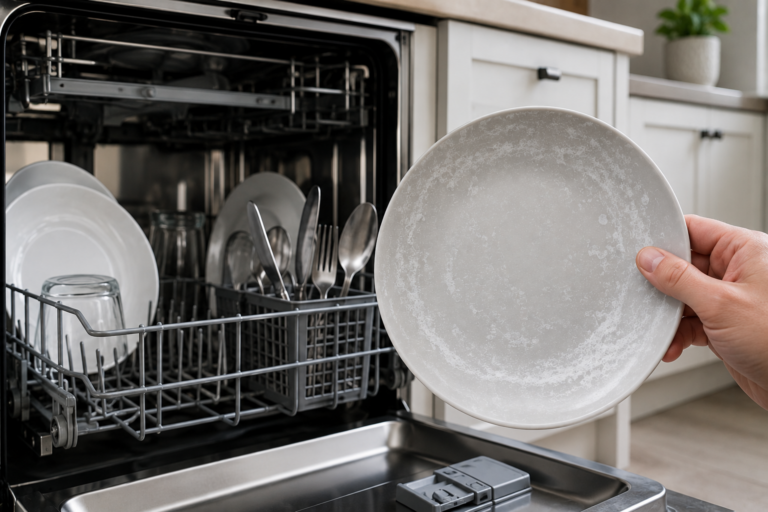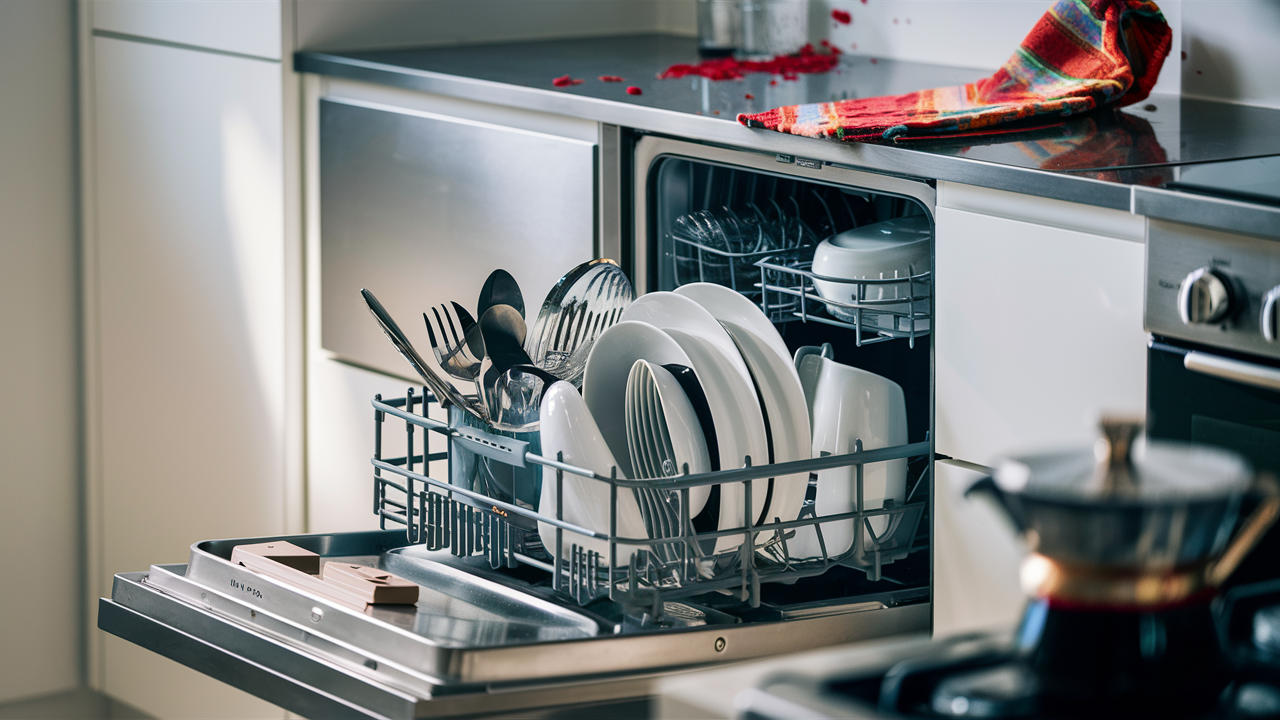
Frustrated with a dishwasher that just won’t dispense detergent? If your dishwasher soap dispenser door is stubbornly staying shut, preventing a proper wash, you’re not alone. Many homeowners encounter this common dishwasher dilemma when this small but crucial component stops cooperating. Learn some simple troubleshooting steps you can try yourself before calling in a repair pro, from cleaning any obstructions to examining the latch and spring mechanism.
Understanding How a Dishwasher Soap Dispenser Works
The soap dispenser is a small but important part of your dishwasher. It opens at just the right time to release detergent into the wash cycle. Here’s how the basic dispenser works:
What’s Inside the Dispenser
The dispenser has three main pieces:
- The door – This is the little flap or cover that keeps the detergent in until it’s time to wash.
- The latch – A latch holds the door closed tight so soap doesn’t spill out.
- The spring – When it’s time to wash, a spring helps push the door open so detergent can flow out.
What Makes the Dispenser Open
Two key parts work together to control when the dispenser opens:
- Wax motor – This small motor melts wax to create motion. As the wax melts, it pushes and pulls rods to release the latch.
- Bi-metal actuator – This metal strip bends when heated. It connects to rods that control the latch.
These components connect to the door latch. When powered on, they release the latch so the spring can push the door open to dispense detergent.
The Timer is in Charge
The timer controls when the wax motor and actuator activate. Here’s how it works:
- The timer sends power at the right time in the wash cycle.
- Power causes the wax motor and actuator to release the latch.
- The spring pushes the door open, so detergent flows out!
Common Reasons Why a Dishwasher Soap Dispenser Won’t Open
Is your dispenser staying shut and not releasing detergent? There are a few common culprits to check. Let’s look at problems that could make your dispenser get stuck closed:
1. Obstructions
Are small items blocking your dispenser from opening? Check for:
- Food -Scraps or grease on dishes can clog the dispenser door.
- Soap buildup – Leftover gunk and grime can prevent the door from opening.
- Utensils – Items leaning against the dispenser can stop it from opening.
Try removing any obstructions. Make sure to rinse dishes well before loading.
2. Damaged Door or Latch
Do you see any visible damage? Inspect closely for:
- Cracks – Cracks in the plastic can prevent proper motion.
- Breaks – A broken latch or hinge will stop the door from opening.
If the plastic is cracked or broken, the dispenser will need repairs.
3. Faulty Spring
Springs can wear out or break over time. Check if the spring:
- Lost tension – The spring may be too loose to push the door open.
- Is detached – It could have come unhooked from the door.
- Is broken – Springs can fracture after years of use.
An ineffective spring won’t let the door pop open.
Step-by-Step Troubleshooting Guide
Tried cleaning and inspecting, but your dispenser still won’t open? Follow these steps to pinpoint the cause:
Step 1: Inspect for Obstructions
- Check around and inside the dispenser for blockages.
- Remove food scraps, loose utensils, and built-up gunk.
- Make sure dishes are rinsed well before washing.
- Can the door move freely now? If no, continue to the next step.
Step 2: Examine the Dispenser Door and Latch
- Look at the plastic housing for cracks or breaks.
- Test if the door moves smoothly on its hinges.
- Does the latch close tightly and securely?
- If the plastic is damaged, you’ll likely need a replacement part.
Step 3: Test the Spring
- Open the dispenser door and unhook the spring.
- See if the spring stays tight when stretched out.
- Try reattaching the spring to test the tension.
- If the spring is loose or broken, it will need to be replaced.
Step 4: Check the Wax Motor or Bi-Metal Actuator
- Locate the wax motor or actuator inside the door.
- Disconnect the electrical connector and test for continuity.
- If there is no continuity, the wax motor or actuator has failed.
- Replace the faulty part if it is not functioning.
Step 5: Verify the Timer Functionality
- Consult your dishwasher manual for timer testing info.
- Use a multimeter to check if the timer sends a signal to the dispenser.
- If there is no signal, the timer will need repair or replacement.
Preventive Maintenance Tips
Take care of your dispenser so you can avoid issues down the road. Try these handy maintenance tips:
Keep It Clean
- Wipe away grease and food once a week.
- Use a toothbrush and baking soda to scrub buildup.
- Rinse with vinegar for a deep clean.
- Prevent gunk from stopping the dispenser!
Load Carefully
- Don’t block the dispenser with dishware.
- Face items away from the dispenser.
- Avoid cramming in utensils.
- Give the dispenser room to open.
Use the Right Detergent
- Don’t overfill the dispenser – a little goes a long way!
- Stick to detergents made for dishwashers.
- Gel or packet detergents prevent buildup.
- Let the detergent dissolve completely before washing.
Check It Occasionally
- Test that the door latch closes tightly.
- Ensure the spring can flip the door open.
- Wipe excess moisture that could cause corrosion.
With proper care and maintenance, your dispenser should provide years of trouble-free performance! Set reminders to regularly check on your dispenser. Catching issues early makes repairs much easier.
When to Call a Professional
Tried troubleshooting but got stumped on your dispenser problem? Here’s when to call the pros:
Signs of a Serious Issue
Watch for these clues that something needs a deeper look:
- The dispenser doesn’t work at all, even after thorough testing.
- You found damaged or corroded parts inside the dispenser.
- Other dishwasher functions, like spraying water, stop working.
- The issue keeps returning after repairs or cleaning.
Ongoing or worsening problems point to an underlying malfunction.
Time for an Expert
Don’t struggle on your own if:
- You can’t pinpoint the cause through troubleshooting.
- The issue requires disassembling major dishwasher parts.
- Replacing the dispenser requires complex wiring work.
- You want to have a pro that fully tests all components.
A technician has the skills and tools to diagnose and fix tricky dispenser troubles.
Finding a Trusted Repair Pro
Look for a well-reviewed local appliance repair shop. Ask around for referrals from satisfied customers. Search for companies that:
- Are licensed, insured, and bonded.
- Have trained, certified technicians.
- Offer fair prices and warranties on repairs.
- Can provide fast service when you need it.
Also Read Dishwasher Not Drying Dishes Properly: Top 5 Reasons and Fixes (With Video!)
Related guides
- Dishwasher Door Opens During Cycle: Normal Feature or Fault?
- Frigidaire or Electrolux Dishwasher Circulation Motor Replacement Guide
Conclusion
As we’ve seen, a dishwasher’s soap dispenser is a complex mechanized system. When it fails, there are several possible culprits to check.
First, try quick fixes like removing obstructions or cleaning buildup. Inspect the latch, door, and spring for visible damage. Test the wax motor, actuator, timer, and wiring for functionality.
If simple steps don’t uncover the cause, don’t improvise repairs. Dishwasher components contain tricky wiring and moving parts. Let a trained appliance technician handle any complex troubleshooting and repairs.
With some basic maintenance, you can prevent many dispenser problems. Keep the area clean, load properly, and use the right detergent. Test components periodically before small issues become big headaches.
Tackle straightforward dispenser troubleshooting with confidence. But for intricate repairs, trust an expert. They have the knowledge to diagnose and fix any problem.
Once you know which part failed, find the matching dishwasher parts by model number so the replacement fits the first time.