Has your ice maker suddenly stopped working? Before you call a repair technician, check one small but important part: the fill tube. A frozen fill tube ice maker problem is one of the most common reasons ice makers stop producing ice. The good news is that you can often fix it yourself at home, safely and without spending a lot of money.
This guide walks you through everything you need to know, from spotting the problem to fixing it and keeping it from coming back.
What Is an Ice Maker Fill Tube?
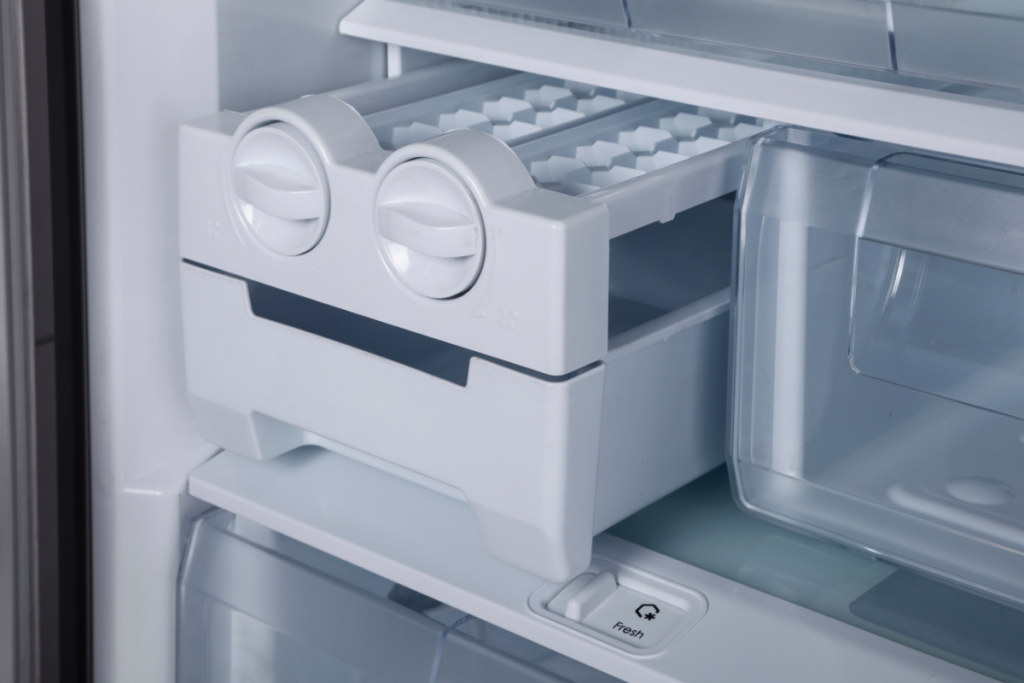
The fill tube is a small, narrow tube that carries water from the water inlet valve into the ice maker mold. Think of it as a tiny straw that delivers just the right amount of water each time your ice maker runs a cycle.
Depending on your refrigerator model, you will usually find it near the back wall of the freezer or entering from the top. During a normal cycle, the inlet valve opens, water travels through the fill tube, and the mold fills up to make ice.
When this tube freezes, water cannot pass through. Your ice maker may still try to run its cycle, but nothing gets into the mold. No water means no ice. This is also sometimes called an ice maker frozen water line problem, and it is more common than most people think.
Signs the Fill Tube Is Frozen
Not sure if this is your problem? Here are the most common signs to look for:
- No new ice production. Your ice maker suddenly stops making ice, even though the freezer is working fine.
- Small or hollow ice cubes before it stops. When water flow is restricted, you may notice oddly shaped cubes before the line freezes completely.
- Frost or ice buildup near the fill area. Visible ice around the tube opening is a strong clue.
- Your water dispenser still works. The dispenser and ice maker use different paths, so the dispenser can work even when the fill tube is blocked.
- The ice maker cycles, but nothing happens. You hear the motor run, but no water enters the mold.
If two or more of these match what you are seeing, a frozen fill tube is very likely the cause.
Why Ice Maker Fill Tubes Freeze in the First Place
Understanding why this happens helps you prevent it from coming back. Here are the most common causes:
- Freezer temperature set too low. If your freezer is colder than necessary, standing water inside the tube can freeze between cycles.
- A leaking water inlet valve. A valve that drips even slightly can leave a tiny amount of water in the tube. That small amount of water freezes and builds up over time.
- Low water pressure. Weak water flow can cause incomplete fills, leaving water sitting in the tube where it can freeze.
- Poor airflow inside the freezer. Cold air that blows directly at the fill tube opening can cause repeated freeze-ups.
- Long periods of non-use. If you rarely use your ice maker, water sits in the line longer and is more likely to freeze.
Safety First Before You Start
Before you do anything, keep these safety tips in mind.
- Unplug the refrigerator if you plan to work near any electrical parts or wiring. It is always better to be safe.
- Protect plastic parts from heat. Too much direct heat can warp the freezer liner, crack the fill tube, or damage trim pieces. Use only low or medium heat.
- Never use sharp tools. Knives, screwdrivers, or metal picks can puncture the tube or crack the ice maker housing.
- Keep water away from electrical parts. As ice melts, be careful that water does not drip onto wiring, the ice maker motor, or any lights.
- Check your owner’s manual. Some refrigerator models have specific instructions or warnings you should know before starting.
Tools and Supplies You May Need
Gather these items before you begin:
- Hair dryer (set to low or medium heat only)
- Towels or microfiber cloths
- Small bowl or container to catch melted water
- Turkey baster or squeeze bottle filled with warm water
- Flashlight
- Work gloves to protect your hands from cold surfaces
- Optional: a cooler to store food if the repair takes longer than expected
How to Thaw the Ice Maker Fill Tube Safely
Now you are ready to fix the problem. Take your time and do not rush.
- Confirm the tube is frozen. Look for visible ice at or inside the tube opening. Try gently pressing on the tube. If it feels solid or blocked, it is likely frozen.
- Place towels under the work area. Lay towels on the freezer floor to catch dripping water as the ice melts.
- Use a hair dryer on low heat. Hold the dryer several inches away from the tube and move it slowly back and forth. Do not hold it still in one place. This is the safest way to apply heat without damaging plastic parts. This method is widely recommended as the safest way to melt ice in the fill tube at home.
- Work in short intervals. Heat the tube for 20 to 30 seconds, then pause and check the progress. Repeat as needed. Patience is important here. Rushing with too much heat can warp the liner or damage the tube.
- Use warm water if needed. If you can access the tube opening, gently flush it with warm water using a turkey baster or squeeze bottle. Use warm water, never boiling. This can help defrost a frozen water line in your fridge more gently and evenly than heat alone.
- Wipe away melted water. As ice loosens, use towels to soak up any water that drips into the freezer.
- Check that the tube is fully clear. Once the ice is gone, look into the tube opening with a flashlight to make sure there is no remaining blockage.
- Put everything back together. Replace any covers or panels you removed, put the ice bin back, and return any food you moved.
What Not to Do When Thawing a Frozen Fill Tube
Avoid these common mistakes:
- Do not use boiling water. Very hot water can crack plastic parts quickly.
- Do not pry out ice with tools. Sharp objects can puncture the fill tube or crack the housing.
- Do not overheat one spot. Concentrated heat from a hair dryer can warp the freezer liner.
- Do not ignore repeated freeze-ups. If the tube keeps freezing, a deeper problem is likely causing it.
How to Test the Ice Maker After Thawing
Once everything is back in place, follow these steps:
- Plug the refrigerator back in if you unplugged it.
- Wait for a fill cycle. Some ice makers need 15 to 30 minutes before cycling again.
- Listen for the sound of water entering the mold. A normal fill sounds like a brief rush of water.
- Check the first batch of ice. Normal-sized, solid cubes mean the repair worked.
If the Fill Tube Freezes Again, Check These Related Problems
Did the tube freeze again after you fixed it? That usually points to an underlying issue:
- Leaking water inlet valve. A dripping valve is one of the most common causes of repeated freezing. Replacing it is often the long-term fix.
- Freezer temperature too low. Check that your freezer is set to the recommended range, typically around 0 degrees Fahrenheit.
- Misaligned parts. If the fill cup or ice maker is slightly out of position, water can splash and freeze in the wrong place.
- Clogged water filter or low pressure. A dirty filter restricts flow and increases freeze risk.
- Damaged door seal. A weak door seal lets warm, humid air in, which can cause excess frost throughout the freezer.
This is also when ice maker frozen water line repair may require more than a simple thaw. If you keep seeing the same problem, it is time to look deeper.
How to Prevent the Fill Tube From Freezing Again
A little prevention goes a long way:
- Set the freezer to the right temperature. Most manufacturers recommend 0 degrees Fahrenheit for the freezer.
- Replace a weak water valve. If your valve drips, get a new one before the problem comes back.
- Change the water filter on schedule. A clogged filter reduces water pressure and increases the chance of freezing.
- Use your ice maker regularly. Regular cycling keeps water moving through the line instead of sitting and freezing.
- Watch for early warning signs. Small cubes, slower ice production, or frost near the fill area are clues to act on early.
When DIY Thawing Is Not Enough
Sometimes the problem goes beyond a simple frozen tube. It may be time to call a professional if you notice:
- The tube freezes again within a few days
- There is a visible crack in the tube or housing
- Water is leaking inside the freezer from an unknown source
- The ice maker runs but still does not fill after thawing
- You see electrical issues or hear unusual sounds
In these cases, the valve, thermostat, or ice maker module may need to be inspected or replaced.
Related guides
- Refrigerator Ice Tastes Bad but Water Tastes Fine: Easy Checks
- Frigidaire Refrigerator Dispenser Light Bulb Replacement (5304519036)
Wrapping Up
A frozen fill tube ice maker problem sounds intimidating, but most of the time it is something you can handle at home. The key is to work slowly, use gentle heat, protect plastic parts, and never force the ice out with sharp tools.
After thawing, test the ice maker and listen for a normal fill cycle. If everything works, great. If the problem comes back, dig deeper into the possible root causes like a dripping valve or incorrect freezer temperature.
Fixing the immediate problem is satisfying, but preventing it from happening again is what keeps your ice maker running smoothly for the long haul. Take your time, stay safe, and your ice maker will likely be back to normal in less than an hour.
Once you know which part failed, find the matching refrigerator water inlet valve parts by model number so the replacement fits the first time.