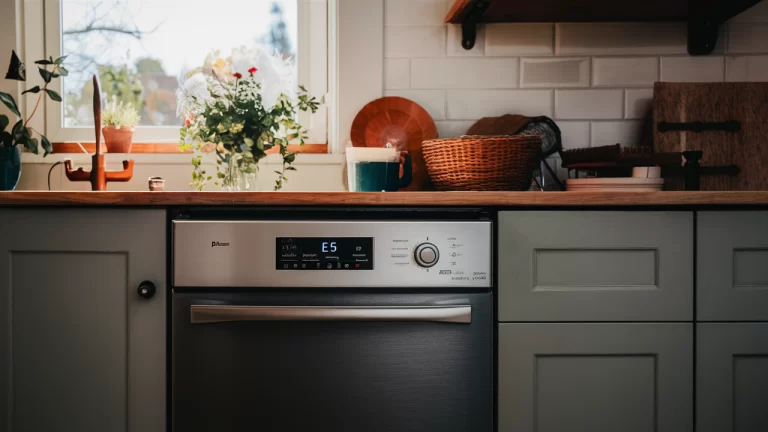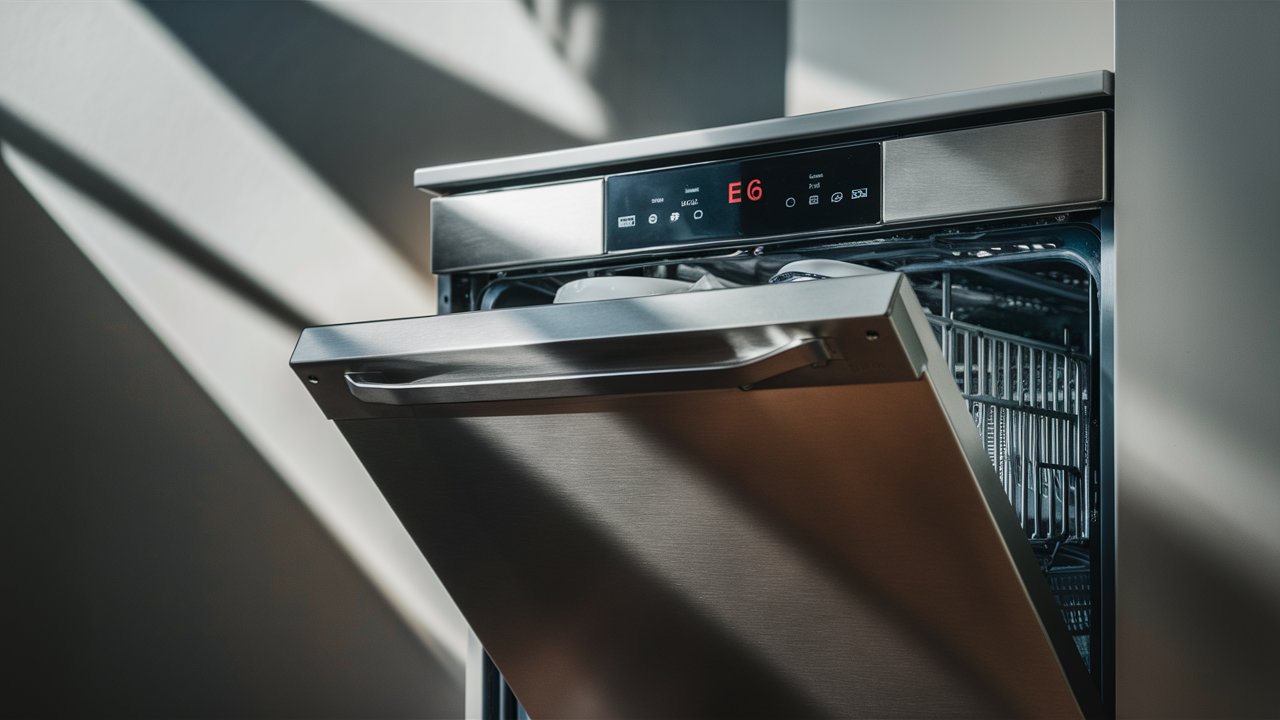
Your Bosch dishwasher displays an annoying E6 error code. Before stressing out, take a deep breath. This article provides a step-by-step guide to troubleshooting the issue quickly and safely. It begins by breaking down what the E6 error means and moves to important electrical safety tips that are a must-know before doing any repairs. From there, it takes the reader through potential causes and gives a methodical, multi-step process to identify the root problem. Read on to gain the confidence and skills to tackle an E6 error on your own dishwasher!
What Does the E6 Error Code Mean?
Seeing an E6 error code pop up on your Bosch dishwasher display can be confusing. But no need to stress! This error is actually not too hard to understand if we break it down step-by-step.
To start, the E6 code tells us there’s an issue with something called the “AquaSensor”. Sounds fancy, but what is it exactly? Well, the AquaSensor is simply a little sensor that monitors how clear the water is during the wash cycle. It lets the dishwasher “see” how dirty or clean the water is as it sprays around.
The control board uses the readings from the AquaSensor to know when dishes are clean. That way, the length of the wash and rinse cycles can be adjusted accordingly. Pretty neat, right?
Now, the E6 error means that the control board suddenly can’t get a reading from this AquaSensor. The sensor’s signal back to the board has been disrupted or cut off.
What could cause this loss of signal? Here are the most common culprits:
- A faulty AquaSensor that’s broken and can’t send proper readings
- Loose wiring connections between the sensor and control board
- General issues with the control board itself
- Clogged filters blocking water flow to the AquaSensor
Dishwasher Repair Precautions
Whenever you need to dig into a household appliance for troubleshooting, things can get dangerous fast if you’re not careful. Safety should always come first – way before trying to quickly fix the problem!
So before we jump into how to actually resolve the E6 error, let’s go over some very important safety steps:
- Power off and unplug the dishwasher before any repairs or maintenance. This avoids electric shock risks.
- Allow the dishwasher to cool off before working on it. Hot surfaces can burn badly!
- Turn off the water supply line and keep some towels handy to soak up leaks.
- Work slowly and carefully. Rushing leads to accidents and injuries!
- Choose a clutter-free, well-lit area to work in. Tripping hazards can cause falls.
- Keep hands dry and touch capsulated wires only. Live wires mean electrocution risk!
- Wear insulated gloves and use non-conductive tools. These prevent you from receiving electricity if touched.
- Take photos with your phone or write down appliance wiring before undoing any connections. This helps with proper reassembly later.
- Avoid testing live voltages with a multimeter if you’re not 100% sure about safety protocols. High voltages can arc badly with mistakes.
We know that seems like a long list, but appliance repairs are risky if proper electrical safety steps aren’t taken. Protection first – you can always come back to troubleshoot the E6 error later!
Fixing the E6 Error: Step-by-Step
Now that we’ve covered what the E6 code means and some key safety tips, let’s walk through how to actually troubleshoot and fix this pesky error! I’ll break it down into simple steps:
Step 1 – Power Cycle the Dishwasher
Before grabbing your tools, try a basic power cycle:
- Unplug the dishwasher or switch the breaker off.
- Leave the dishwasher off for 2-3 minutes.
- Restore power and check if the E6 error still shows.
This quick reboot will clear out any temporary glitches that may be confusing the control board. Fingers crossed it’s that easy!
Step 2 – Inspect and Clean the Filters
If the error code returns, next focus on the filters:
- Unplug the dishwasher again and turn off the water supply valve.
- Carefully remove both the primary and drain filters.
- Rinse the filters clean or replace them if they are excessively dirty.
- Reinstall the filters tightly, restore power and water, then run a test cycle.
Clogged filters can block water flow to the AquaSensor, so cleaning may resolve the signal issue.
Step 3 – Check the Water Temperature
Hot water is key for cleaning dishes properly. If wash water isn’t reaching the right heat, that could trick the AquaSensor:
- Unplug the power again for safety.
- Use a multimeter to test the heating element‘s resistance.
- Replace the element if damaged or outside the acceptable ohm range.
- Check the door seal, tub insulation, and vent paths for heat loss points.
- During a cycle, confirm that the wash water temp reaches 140-150°F.
Step 4 – Inspect the AquaSensor
If all else checks out, troubleshoot the AquaSensor itself:
- Unplug the dishwasher and locate the sensor at the back base of the washtub.
- Clear any debris blocking the sensor or sensory tube opening.
- Make sure the sensor’s electrical connector is snug and corrosion-free.
- Use a multimeter to check if sensor resistance measures in the correct kΩ range.
- If out-of-range, replace the faulty AquaSensor.
Step 5 – Evaluate the Control Board
Lastly, assess the control board:
- When the appliance is unplugged, check all wiring going to/from the control board for damage.
- Replace any corroded wires or burnt-out boards.
- Reseat any loose wire connections.
- If all prior components test well, the board itself has likely failed and requires replacement.
Related guides
Wrapping Up
We’ve covered a lot of ground troubleshooting this E6 error code! Now you know:
- The E6 means there’s an issue with the clarity of wash water.
- Safety comes first – electricity and hot appliances can badly hurt you!
- Try easier fixes like a reset or filter clean before major repairs.
- If needed, methodically work through component checks from sensors, heating systems, wiring, and circuit boards.
The key is moving step-by-step to find the true fault. Jumping around randomly can just lead to frustration.
We hope breaking down the error code meaning, precautions, and structured troubleshooting plan gives you the confidence to tackle this repair yourself. Household appliances can seem intimidating when issues pop up. But as we’ve seen here, methodical and safe troubleshooting gets great results!
With the cause confirmed, order the dishwasher control board parts for your exact model and keep the old part until the repair has passed a full cycle.