Quick answer
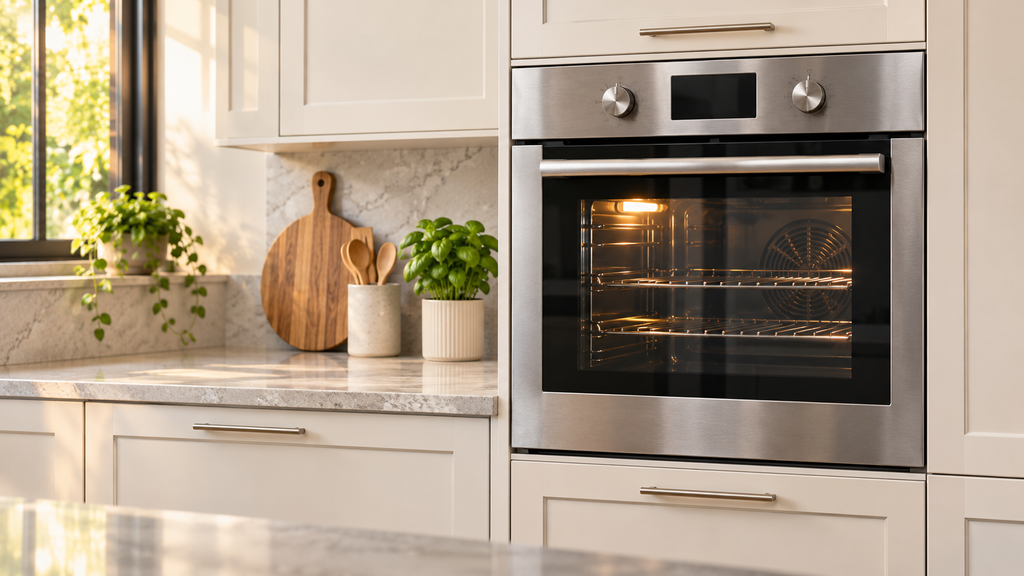
Use a compatible cleaning method on a cool oven. Where allowed, remove the racks, apply baking soda paste to suitable interior surfaces, let it sit overnight, and wipe it away with damp cloths. Treat remaining paste with a little compatible vinegar only if permitted. Keep all cleaner off elements, vents, hinges, and the gasket.
Hours of hard scrubbing are not the only way to approach oven spills. Could a gentler treatment loosen the residue first? Knowing how to clean an oven without scrubbing starts with the interior’s care limits. Some mess may soften with time, though old stains can still need a careful wipe.
This guide covers low-scrub options, a careful cleaning order, and what to do when buildup remains. You’ll also learn how to prevent small spills from becoming thick layers. Ovens with special liners or self-clean features may need different products. Keep heat, elements, vents, and the door gasket out of any improvised cleaning treatment.
Quick Facts
Clean only a cool oven and use products allowed for the interior finish.
- Difficulty: Not specified
- Time: Overnight dwell for an allowed baking soda method, plus cleaning and drying
- Tools: Soft cloths, non-scratch sponge, baking soda and water if approved
- Part cost: Not specified
- Skill level: Not specified
Order the part with confidence
- Guaranteed to fit when you search by model number
- Same-day shipping on in-stock parts
- 365-day returns on any part
- Free tech support before and after you buy
Why Skip Scrubbing When Cleaning Your Oven
Heavy scraping can mark a finish and take more effort than the residue needs. Softening compatible food buildup first lets a cloth remove it with less force. Patience is useful because repeated heat can bake a spill firmly onto the surface.
However, less scrubbing does not mean no contact at all. You still need to lift residue and remove the cleaning product. A stain may remain even when loose food has been cleaned away.
When deciding how to clean oven without scrubbing, set a practical goal. Remove the residue safely and protect the finish. Do not chase a perfect-looking surface with stronger chemicals or sharp tools when the material does not allow them.
Safe Alternatives That Work Just as Well
Choose one approved method rather than combining several. Baking soda paste may work on compatible conventional interior surfaces. A special liner may prohibit that paste. Some ovens offer steam-clean or self-clean cycles, each with its own preparation and restrictions.
Consider these options only where your oven permits them.
- Gentle paste: A compatible baking soda treatment allowed time to soften residue
- Approved cleaner: A product matched to the interior finish
- Built-in clean cycle: The exact steam-clean or self-clean process designed for the oven
Do not run a heat-clean cycle with paste or cleaner still inside unless the method explicitly calls for it. A built-in feature is not permission to add water or chemicals in a different way.
How to Clean Your Oven Step by Step
Follow these steps for an oven that permits an overnight baking soda treatment.
Soften and Remove the Residue
- Turn off the oven and let it cool fully.
- Remove racks and accessories approved for removal.
- Lift out loose food with a soft cloth or suitable gentle tool.
- Mix baking soda and water into a spreadable paste.
- Apply it only to compatible interior surfaces, avoiding elements, vents, hinges, and the gasket.
- Leave the allowed treatment overnight.
- Wipe softened residue and paste away with damp cloths.
- Use a little vinegar on remaining paste only where that treatment is compatible.
- Wipe away all residue and clean the accessible door glass by its permitted method.
- Return clean, dry racks before normal use.
Do not flood the oven or let cleaner run into door openings. Use fresh cloth surfaces so removed grease is not spread back across the interior.
Didn't fix it? Ask a technician on the AppliancePartsPros forum.
Post your model number, the symptom, and what you've already tried. Appliance techs and experienced DIYers answer for free, usually the same day.
Ask the forum →80,000+ solved repair threads · no account needed to readHow to Handle Stubborn Buildup
A second gentle application may be better than harder pressure when a compatible area still holds residue. Keep the method within the product and oven directions. Do not leave a treatment for longer than allowed because the stain is old.
A non-scratch sponge can help lift softened buildup. Test compatibility with the surface before using any tool. Avoid metal scrapers, abrasive pads, and razor blades unless the exact surface procedure calls for them.
What if the mark remains? Some discoloration is different from loose food residue. Stop before trying to strip the finish. The goal in how to clean oven without scrubbing is safe residue removal, not damage hidden beneath a brighter surface.
Keeping Your Oven Clean Between Deep Cleans
Contain drips with suitable cookware and clean spills after the oven cools. Avoid covering the oven floor with foil or an unapproved liner. That can affect heat and airflow, even when it seems to make cleanup easier.
A fuller cleaning around every three months is a useful planning point, with earlier attention after spills. Actual use matters more than the calendar. A lightly used oven and one that roasts often will not collect residue at the same rate.
Keep racks and broiler pans on their own care routine. Let hot cookware cool safely before washing it, and do not set a greasy pan back into a clean oven to store it.
Frequently Asked Questions
These answers cover gentle oven cleaning and its limits.
How do you clean your oven without scrubbing?
Use an allowed softening method, such as a compatible baking soda paste, then wipe away the residue. Built-in cleaning features need their own exact process. Learning how to clean oven without scrubbing means reducing force, not ignoring product removal or surface compatibility.
How often should you clean your oven?
Plan a full review around every three months, sooner after significant spills or visible buildup. Wipe small spills once the oven is cool. Choose timing that lets the cleaning process finish fully before the appliance is needed for a meal.
What should you not use when you clean your oven?
Avoid incompatible oven cleaner, sharp scraping tools, and abrasive pads. Keep products off the heating element, vents, gasket, and hinges. Dish soap or vinegar is not automatically safe on every special liner, and no cleaner should be mixed with bleach.
Can you clean your oven without taking it apart?
Yes. Routine care usually covers accessible interior surfaces, approved removable racks, and door glass. Do not remove the door, liner, or element to make the clean more thorough. Hidden grease or damaged parts may need qualified attention.
Final Thoughts: Keep It Simple and Consistent
Gentle cleaning works best when you give a suitable method time to act. Lift the softened residue, remove the product fully, and stop before pressure damages the finish. A few small habits between deep cleans make the next session easier.
Check your model number, then shop oven maintenance parts to find compatible supplies for your next care task.
Still stuck after this guide?
Two free options: post your model number and symptom on the forum, or search the model number in the shop to see every part that fits.