Quick answer
Empty the ice bin and reservoir through the unit’s permitted drain method. Clean approved removable parts and accessible surfaces, then run its approved cleaning cycle with the correct product. Rinse as required and discard the initial ice specified by the cleaning process. Use vinegar only if allowed, and keep the electrical base out of water.
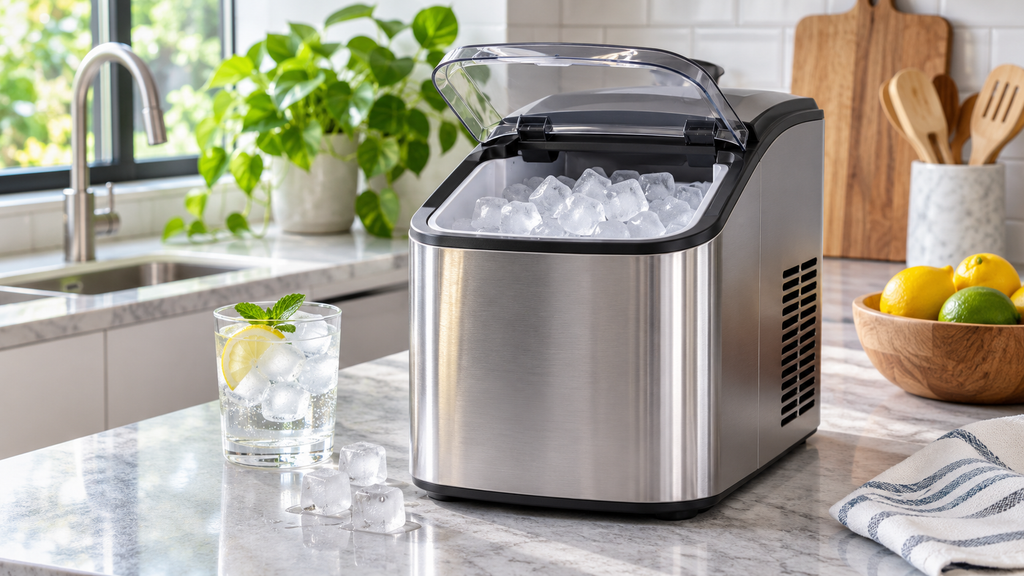
Clear ice can come from a machine that still needs cleaning. Old water and mineral film are not always easy to spot at a glance. How do you separate a quick wipe from a full cleaning cycle? Learning how to clean countertop ice maker parts starts with the unit’s own design and care controls.
This guide covers supplies, the basic cleaning order, frequency, and habits that keep the reservoir tidy. You’ll learn why a countertop unit and a nugget ice maker may need different cleaners and cycles. Do not pour vinegar into every model or remove internal covers to reach hidden parts. Start with the exact machine’s approved method and owner-accessible areas.
Quick Facts
Unplug for hand cleaning and use only the cleaning product and cycle approved for the model.
- Difficulty: Not specified
- Time: Not specified; cleaning and rinse cycles vary
- Tools: Approved ice-maker cleaner, soft cloth, fresh water, non-scratch sponge
- Part cost: Not specified
- Skill level: Not specified; owner-accessible cleaning only
Order the part with confidence
- Guaranteed to fit when you search by model number
- Same-day shipping on in-stock parts
- 365-day returns on any part
- Free tech support before and after you buy
What You Need to Clean Your Countertop Ice Maker
Choose a cleaner approved for food-contact parts in the actual machine. A descaler removes mineral buildup, while a cleaning or sanitizing step may have a different purpose. Do not assume one product does all three tasks or substitute household chemicals.
Gather these items.
- Approved ice-maker cleaner
- Fresh rinse water
- Soft cloth
- Non-scratch sponge
- Suitable container for drained water where required
A removable ice bin or scoop may be washable, but the electrical base is not a sink-washing item. Check which drain plug, screen, or filter is intended for owner care. Some countertop units have no replaceable water filter, so do not take the case apart to look for one.
How to Clean Your Countertop Ice Maker Step by Step
Follow these steps using the model’s approved cleaner, cycle, and drain arrangement.
Empty and Wipe the Unit
- Stop ice production and unplug the unit for permitted hand cleaning.
- Remove and discard the stored ice.
- Drain the reservoir by its intended method.
- Wash approved removable bins and scoops separately.
- Wipe accessible reservoir and interior surfaces with the allowed cleaning method.
- Keep water away from controls, vents, and electrical parts.
- Return required parts and drain plugs to their correct positions.
Complete the Cleaning and Rinse Cycle
- Add the approved cleaner and water in the model’s required amounts.
- Restore power only when the unit is ready for its designated cleaning cycle.
- Run that cleaning cycle without making ice for consumption.
- Drain and rinse through the specified process.
- Refill with the allowed fresh water.
- Discard the initial batches of ice required by the cleaning method.
Do not guess a dose, rinse count, or drain location from another ice maker.
Didn't fix it? Ask a technician on the AppliancePartsPros forum.
Post your model number, the symptom, and what you've already tried. Appliance techs and experienced DIYers answer for free, usually the same day.
Ask the forum →80,000+ solved repair threads · no account needed to readHow Often to Clean Your Countertop Ice Maker
Monthly cleaning is a useful planning point for a countertop unit, with the exact model’s schedule taking priority. The broader three-to-six-month interval used for some other ice systems should not be applied automatically to a frequently used countertop reservoir.
Water quality, use, and storage can affect the routine. Clean sooner for visible film or residue. A machine that has sat with old water needs care before the next batch is made.
When thinking about how to clean countertop ice maker parts, include the scoop and bin. Clean water can be contaminated again by a dirty scoop or a hand placed into the ice. Keep those everyday handling habits on the same calendar.
What Not to Use on Your Countertop Ice Maker
Avoid these mistakes and unsafe methods.
- Avoid bleach and abrasive cleaners unless a specific approved sanitizing procedure calls for a particular product.
- Do not mix chemicals. Strong acid, household drain cleaner, and soap left in the water path do not belong in ice.
Can you run vinegar through the unit? Only when that model allows it and provides the needed method. Some machines require a dedicated cleaner. More vinegar is not a substitute for the right cycle or a complete rinse.
Keep these additional points in mind.
- Do not scrape an ice mold with metal, open a refrigerant line, or remove the electrical case. A leak, damaged coating, unusual smell after rinsing, or abnormal operation needs further assessment rather than repeated stronger cleaning.
How to Keep Your Countertop Ice Maker Cleaner for Longer
Keep these habits in mind during routine use.
- Use the water type allowed by the machine and avoid leaving old water in the reservoir between long periods of disuse.
- Keep the lid and surrounding area tidy so dust and crumbs do not fall inside.
- Wash the scoop by its permitted method and store it cleanly.
- Do not use a drinking glass to scoop ice if it could break inside the bin.
- Keep hands out of stored ice.
A short record makes how to clean countertop ice maker routines easier to keep. Note the cleaner, date, and any filter service where fitted. When storing the unit, follow its drying and storage process so a closed damp reservoir is not left waiting for the next use.
Frequently Asked Questions
These answers cover cleaning without internal disassembly.
How do you clean your countertop ice maker?
Empty and drain it, clean approved removable parts, wipe accessible surfaces, and complete the designated cleaner and rinse cycle. Learning how to clean countertop ice maker parts includes using the right product and discarding the ice required by that process before serving it.
How often should you clean your countertop ice maker?
Use monthly care as a starting point for countertop units, then follow the model’s schedule and condition. Clean visible residue sooner and prepare a stored unit before use. Ice that looks clear does not prove the reservoir and scoop are clean.
What should you not use when you clean your countertop ice maker?
Avoid unapproved acids, abrasive tools, mixed chemicals, and cleaners that leave residue in the water path. Do not immerse the base or scrape the mold with metal. Use only the model’s specified sanitizing process if one is required.
Can you clean your countertop ice maker without taking it apart?
Yes. Routine care should use the intended drain, cycle, and owner-removable parts. Do not remove a case or open the refrigeration system. A unit that cannot be cleaned through its approved access needs service advice rather than improvised disassembly.
Final Thoughts: Keep It Simple and Consistent
A clean reservoir and sound handling habits help keep the next batch ready to serve. Use the approved cleaner, finish the rinses, and record the date. Confirm model fit before replacing a bin, filter, or water component.
Check your model number, then shop ice maker maintenance parts to find compatible supplies for your next care task.
Still stuck after this guide?
Two free options: post your model number and symptom on the forum, or search the model number in the shop to see every part that fits.