Quick answer
Keep indoor filters and air paths in good condition, leave the outdoor unit clear of loose debris and snow, and arrange seasonal expert checks. Do not chip ice from coils, pour hot water on the unit, or open refrigerant and electrical sections. Clean filters and accessible surfaces only by methods allowed for the exact system.
Even a heat pump that seems to work well needs room for air to move. Are stored items, dirty filters, or outdoor debris getting in the way? Heat pump maintenance helps you spot those concerns and plan care. You can make these checks while the system is still heating and cooling your home.
This guide covers daily habits, regular checks, seasonal care, and signs that deserve service. You’ll learn what to watch from outside and why refrigerant, wiring, and internal cleaning are different from routine owner tasks. A ductless heat pump and a ducted system have different filters and access points, so use the needs for your model.
Quick Facts
Keep hands and tools out of the outdoor fan area; internal service requires trained help.
- Difficulty: Not stated
- Time: Not stated
- Tools: Model-right filter supplies, soft cloth, service log
- Part cost: Not stated
- Skill level: Not stated; owner care depends on system design
Order the part with confidence
- Guaranteed to fit when you search by model number
- Same-day shipping on in-stock parts
- 365-day returns on any part
- Free tech support before and after you buy
What Shortens the Life of Your Heat Pump
A heat pump moves heat. It works between the home and the air outside. It needs airflow to do that well. Dirty indoor filters, blocked grilles, and debris around the outdoor unit can interfere with normal use. These conditions are worth checking before they become easy to overlook.
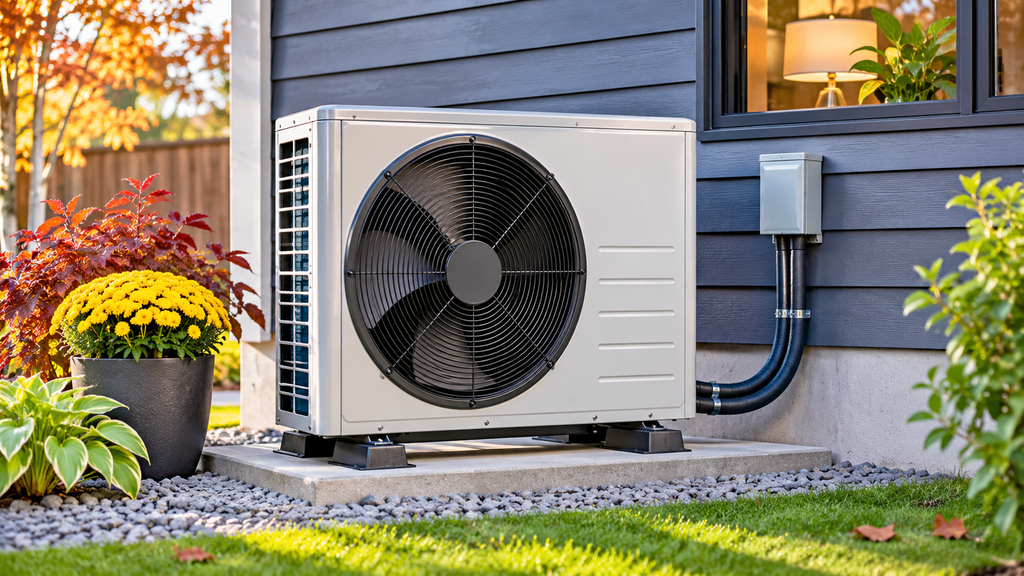
The outdoor unit is built to face weather, but that does not mean it should be buried in snow or covered while running. Ice and debris need careful assessment, not aggressive scraping or pressure washing.
Good care also depends on correct service. Refrigerant is the fluid used to move heat through the sealed system. It is not an owner refill item, and a suspected leak needs trained attention.
Daily Habits That Protect It
Keep these habits in mind during routine use.
- Keep furniture and curtains away from indoor supply and return openings. On a ductless heat pump, leave the indoor head’s air path clear rather than placing a shelf directly in front of it.
- Use normal controls and avoid changing settings repeatedly in response to every sound.
- Look at the outdoor unit from a safe distance.
- Remove loose debris around it where you can do so without reaching into moving parts.
- Keep the surrounding drainage path clear so meltwater has a place to go.
What about frost? A heat pump can use a defrost cycle to clear normal frost during heating. Do not treat every temporary change as a fault, but persistent heavy ice or poor heating deserves service.
Weekly and Monthly Care Tasks
Review filters at the interval required for their type. A washable ductless filter and a disposable ducted-system filter do not use the same cleaning method. Fit the correct filter and follow its required direction and seating.
Use a short record for these checks.
- Filters: Condition and the date cleaned or changed
- Air paths: Clear grilles and indoor openings
- Outdoor area: Loose debris, snow buildup, and visible damage
- Use: New noise, poor comfort, or repeated abnormal cycling
Keep controls and wiring dry. Do not remove covers to inspect a capacitor or fan wiring. A regular visual review is useful precisely because it does not require reaching into the unit.
Seasonal Checks
Arrange a seasonal expert check before heavy heating or cooling demand. Tell the service pro about changes you have noticed, including where frost forms and whether it clears during normal use. Photos taken from a safe distance can be useful without touching the unit.
Coil cleaning depends on access, materials, and the system’s needs. A yearly review can cover coil condition, but that is not permission to spray any heat pump with a hose. A pressure washer can bend thin fins and force water where it should not go.
Seasonal heat pump maintenance should also review safe condensate drainage where applicable. Leave hidden drains, electrical compartments, refrigerant measurements, and internal cleaning to the right trained service.
Signs It Needs Attention
Get advice for these changes in your heat pump.
- New persistent noises
- Weak heating or cooling
- Visible damage
- Repeated shutdowns
- Ice that does not clear normally
Do not chip ice from the coils or pour boiling water onto the unit. Those shortcuts can damage parts and may not address the cause.
A refrigerant concern cannot be confirmed from one symptom alone. Do not buy a refill product or open a line to see whether fluid is present. The sealed system needs trained service.
The useful role of regular care is to make normal condition familiar. When you know the usual sounds, filter needs, and airflow paths, a meaningful change is easier to describe without guessing which part has failed.
Frequently Asked Questions
These answers help you build a realistic care routine.
What does heat pump maintenance involve?
It includes correct filter care, clear indoor and outdoor airflow paths, visual checks, and seasonal expert service. Heat pump maintenance also means observing defrost behavior without interfering with it. Internal refrigerant, electrical, and fan work should not be added to a generic owner checklist.
How often should you maintain your heat pump?
Use the filter and service intervals required for your system, and inspect the outdoor area after weather that could leave debris or snow. A monthly reminder can help you review condition, but filter replacement timing depends on type and use. Arrange seasonal service as required.
What happens if you skip maintenance on your heat pump?
Restricted airflow and unnoticed debris can affect comfort and use. Small changes may continue until the unit needs more attention. Skipped maintenance does not identify a particular failed part, so seek assessment rather than replacing a thermostat or condenser part from a guess.
What supplies do you need to maintain your heat pump?
Keep the correct filter or allowed washable-filter supplies, a soft cloth for approved surfaces, and a service record. Confirm all replacement parts with the full indoor and outdoor model details where required. Refrigerant and electrical test equipment belong with trained service.
Final Thoughts: Keep It Simple and Consistent
A heat pump care plan works best when simple checks are easy to repeat. Keep air paths clear, record changes, and arrange service before the busiest season. Suitable filters and model-suitable parts make the next care visit easier to prepare for.
Check your model number, then shop heat pump maintenance parts to find suitable supplies for your next care task.
Still stuck after this guide?
Two free options: post your model number and symptom on the forum, or search the model number in the shop to see every part that fits.