

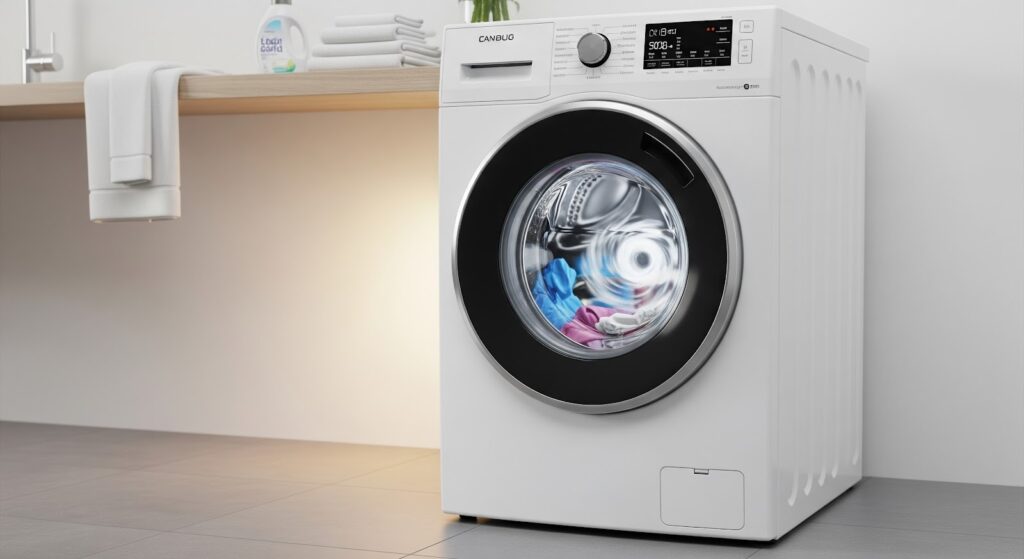
Are your freshly washed clothes coming out covered in lint? Before you point fingers at your dryer, the real problem might be inside your washing machine’s filter plug. The good news is that replacing it is quick, simple, and inexpensive. Follow this guide to get your washer working properly again.
Why Lint Shows Up After Washing
If you’re seeing lint on your laundry, your first thought is probably to clean out the dryer trap, but the issue may start earlier in the wash cycle.
Older, non-high-efficiency top-loading washers filter lint and debris directly in the tub. When the small plastic parts that do this job start to wear out, lint no longer gets trapped and ends up all over your clothes instead.
Washer lint filter plugs are easy to find, affordable, and simple to replace yourself. With just a few minutes and basic tools, you can swap out the old plugs and restore your washer’s performance.
What Is a Washer Filter Plug?
A washer filter plug is a small, toothed plastic ring that sits at the bottom of your washer’s spin basket. Its job is to catch lint, fabric fibers, and small debris during each cycle.
Because these plugs are made of plastic, they can wear out over time, especially the small prongs that trap lint. When that happens, you may notice:
- Clothes covered in lint or residue
- Poor washing performance
- Slower draining after the rinse cycle
If any of these sound familiar, it is likely time to replace your filter plugs.
Pro Tip: To make your new filter plugs last longer, always check your laundry before loading it. Remove coins, wrappers, gum, or anything that might damage the plug’s teeth. Regularly cleaning the inside of your washer tub also helps keep the filters working properly.
Signs Your Washer Filter Plugs Need Replacement
It can be tricky to know exactly when a washer part needs attention. Watch for these clear signs that your filter plugs are no longer doing their job:
- Lint buildup on clothes even after multiple rinse cycles
- Small fabric pieces collecting around the basket or agitator
- Water draining slower than usual
- Odors coming from the tub after washing
- The washer running louder or vibrating more than normal
If you notice several of these issues, replacing the plugs can quickly improve your washer’s performance.
Tools You’ll Need
You won’t need much for this job, only a few basic tools you probably already have:
- Flathead screwdriver
- Phillips screwdriver
- 7/16″ socket with ratchet and 10″ extension
- Work gloves
Once you have these tools, follow along with the video tutorial to replace your filter plugs step by step.
How to Replace a Washer Filter Plug
Here are the steps to replace the filter plugs in your washing machine and make sure it runs efficiently again.
Before Starting
- Disconnect the washer from the power source by unplugging it or switching off the circuit breaker.
- Do not perform any maintenance or repair work while the appliance is connected to power.
- You do not need to disconnect the water supply unless working on other parts of the appliance.
- If there is water inside the washer, drain it completely before starting.
Access the Agitator
- Open the washer lid to access the tub.
- Remove the fabric softener dispenser from the agitator by pulling it off.
- If the dispenser is secured by a lock ring, pull up on the ring to disengage it before removing the dispenser.
- If there is a cap beneath the dispenser, use a flathead screwdriver to pry it off.
Remove Parts
- Remove the dust cap from inside the agitator and inspect it for damage or a worn seal. Replace it if necessary.
- Use a 7/16-inch socket with a ratchet and a 10-inch extension to loosen the agitator bolt.
- Hold the lower agitator steady with one hand while loosening the bolt with the other.
- Once the bolt is loose, lift the entire agitator out of the washer. Leave the bolt inside the agitator for now.
Replace the Filter Plugs
- Use a flathead screwdriver to pry out the old filter plugs.
- Wipe the area clean with a towel to remove any debris.
- Press the new filter plug into place by hand.
- If the plugs do not fit easily, try another hole or verify that you have the correct size plugs.
- Make sure each plug’s tab points toward the center of the tub where the transmission is located.
Reassemble the Agitator
- Remove the bolt from the agitator and lower the agitator back into the washer.
- Hold the bolt on the socket with your finger and guide it back into position in the agitator.
- Tighten the bolt securely with the ratchet, holding the lower agitator steady if needed.
- Apply a small amount of liquid detergent around the seal of the dust cap to help it slide in easily.
- Reinstall the dust cap by pressing it into place.
- Reattach any remaining caps and the fabric softener dispenser by snapping them back into position.
Test
- Plug the washer back in and turn on the water supply if it was turned off.
- Run an empty test cycle to check for leaks, debris, or drainage issues.
- If everything is working correctly, resume normal use of the washer.
How to Keep Washer Filter Plugs in Good Condition
Even though filter plugs are replaceable, a few simple habits can help them last longer. Try to make these practices part of your laundry routine:
- Check clothing pockets for coins, tissues, or small objects before loading
- Wipe out the tub every few washes to prevent buildup
- Run a maintenance cycle using vinegar or washer cleaner once a month
- Avoid overloading the washer, which can put pressure on the filter plugs
- Use the correct water level setting for your load size
- Balance the load evenly to prevent shaking and strain
These habits keep your washer cleaner and reduce the chance of early wear on the plugs.
Common Mistakes to Avoid When Replacing Washer Filter Plugs
Replacing filter plugs is a simple task, but a few common mistakes can cause new problems. Here is what to watch out for:
- Forgetting to unplug the washer before starting
- Forcing the plug into place rather than aligning it gently
- Skipping the cleaning of the basket before installing new plugs
- Using incompatible replacement parts that do not match your model
- Reassembling the washer without checking the fit of the plugs
- Ignoring small leaks or noises after reassembly
Taking a careful approach helps the replacement go smoothly and keeps your washer in good working order.
Brief Recap
A washing machine that leaves lint on clothes can be frustrating, but fixing it is usually easier than it looks. Replacing the filter plugs brings your washer back to peak performance, helps clothes come out cleaner, and even extends the life of the appliance. Once you’ve done it once, you’ll realize it’s a quick job that saves time, money, and a lot of laundry headaches. Keep up with small maintenance steps, and your washer will keep running smoothly, load after load.