

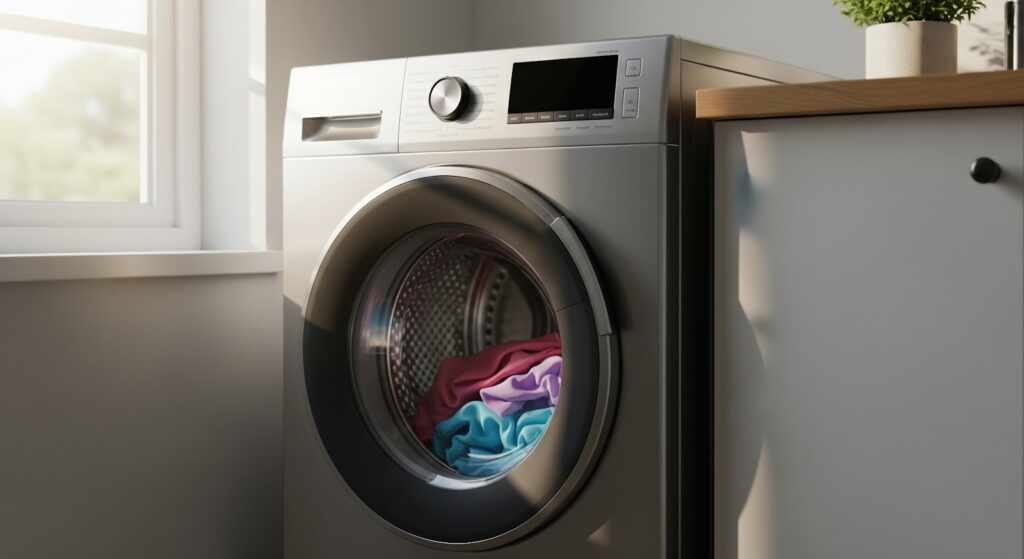
If you have been loading your washing machine week after week without taking the time to clean it, buildup can occur inside. Detergent residue, dirt, and grime can accumulate and lead to unpleasant odors, stains on clothing, and lower efficiency. In some cases, it can even shorten the life of your appliance.
With the right tools and a careful approach, you can give your washing machine a thorough deep clean and restore its performance.
What Is a Deep Clean?
A deep clean goes beyond routine maintenance. It involves a complete cleaning of your washer, including the detergent and fabric softener dispensers, gasket, filter, drum, and exterior. This process removes residue, mold, and debris that can cause odors, stains, and reduced performance.
How Often to Deep Clean Your Washing Machine
Cleaning frequency depends on how much laundry you do and the type of detergent you use. A regular cleaning schedule helps maintain consistent performance and prevents unpleasant buildup.
- For heavy household use, deep clean your washer once a month.
- For moderate use, every two to three months is sufficient.
- If you use liquid detergent or fabric softener often, clean more frequently since these leave residue faster.
- Washers located in humid areas may need extra cleaning due to increased mold growth.
- Run a hot rinse cycle with vinegar and baking soda periodically to keep the drum fresh.
Building a habit of frequent maintenance keeps your washer operating efficiently and reduces the chance of odor or buildup.
Common Signs Your Washer Needs Cleaning
Your washing machine often gives subtle warning signs that it needs attention. Paying attention to these can prevent costly repairs later.
- Lingering odor: A sour or musty smell even after a cycle means bacteria or mold may be inside the drum.
- Visible residue: Brown or white streaks inside the drum or around the door gasket often indicate detergent buildup.
- Stains on clothes: Small spots or streaks appearing after washing can come from grime hidden in the machine.
- Longer cycles or poor drainage: Dirt or lint may be clogging the filter or drain hose.
- Louder noises: Debris buildup or a dirty drum can cause the machine to work harder, creating more vibration or sound.
Noticing any of these signs means your washer is overdue for a deep clean.
Products and Practices to Avoid When Cleaning
Some cleaning habits can damage your washing machine or make it less effective. Avoid the following to keep it in good condition:
- Do not use bleach unless your user manual specifically recommends it, as it can corrode rubber seals and hoses.
- Avoid harsh abrasives such as steel wool, scouring pads, or gritty cleaners that may scratch interior surfaces.
- Skip excessive detergent during regular washes; more soap does not equal cleaner clothes and can cause buildup.
- Do not mix vinegar and bleach, since this produces toxic fumes.
- Avoid soaking removable parts for too long, especially those with rubber components, which can degrade.
- Do not use boiling water, as it can damage delicate seals and internal components.
- Never push or pull internal parts with force, which can loosen fittings and create leaks.
Being cautious with cleaning products and techniques helps maintain both the appearance and function of your washer.
What You Will Need
- White vinegar
- Baking soda
- Rubber, vinyl, or nitrile gloves
- Old toothbrush
- Bowls
- All-purpose cleaner
- Soft cloths
Note: The tools you need may vary depending on your washer model. Always check the user manual for any specific instructions or recommended cleaning products before starting.
Safety First
Before you begin, take a few important safety precautions:
- Power off and unplug your washing machine, or switch off the circuit breaker before cleaning to prevent electric shock.
- Work carefully and avoid rushing to prevent accidents or injury.
- Use good lighting so you can see every area clearly.
- Keep the area around the appliance clear of clutter. Children and pets should be kept away from the workspace.
- Review your user manual for any model-specific cleaning or safety instructions.
- Handle appliance parts gently to avoid damage.
- Wear insulated gloves to protect your hands from sharp edges. Safety glasses and a dust mask can help prevent irritation when using cleaning products or working around debris.
How to Deep Clean a Washing Machine
Follow these steps to thoroughly clean your washing machine and keep it running efficiently and smelling fresh.
Clean the Detergent and Fabric Softener Dispensers
- Remove the detergent and fabric softener dispensers from the washer.
- Disassemble the dispensers and soak the parts in hot water mixed with about half a cup of white vinegar for 15 minutes.
- Scrub off any residue with a toothbrush.
- Rinse the parts and allow them to air dry before reinstalling them.
Clean the Gasket (Front-Load Washer)
- Wipe the gasket (rubber door seal) with a cloth dampened with white vinegar.
- Let the vinegar sit for a few minutes, then scrub the gasket clean with a warm, damp cloth.
Clean the Door (Front-Load Washer)
- Use an all-purpose cleaner and a soft cloth to clean the exterior of the washing machine.
- Wipe the interior side of the washer door with a vinegar solution to remove grime and odors.
Clean the Filter (Front-Load Washer)
- Check your washer’s manual for filter cleaning instructions.
- Drain any water from the tubing into a bowl before removing the filter.
- Soak the filter in a mixture of hot water and vinegar for 15 to 20 minutes.
- Scrub the filter with a toothbrush to remove debris, rinse it, and let it dry before replacing it.
Clean the Agitator and Basket (Top-Load Washer)
- Remove the agitator if possible and soak it in a solution of hot water and white vinegar for 15 to 20 minutes.
- Scrub the agitator with a soft-bristled brush to remove buildup.
- Rinse and air-dry the agitator before reinstalling it.
- Use a vacuum hose attachment or a damp cloth to wipe down the interior walls of the basket.
Check the Water Supply Lines
- Turn off the washer’s hot and cold water supply.
- Disconnect the water supply lines from the back of the washer.
- Inspect the lines for mineral buildup, cracks, or damage.
- Soak the lines in a mixture of hot water and white vinegar for 30 minutes if buildup is present.
- Replace any damaged or leaking water lines.
Clean the Detergent Dispenser
- Remove the detergent dispenser and disassemble it according to the manufacturer’s instructions.
- Soak the dispenser parts in hot water mixed with white vinegar for 15 to 20 minutes.
- Scrub away buildup with a toothbrush, rinse thoroughly, and air dry before reassembling.
Run Cleaning Cycles
- Add two cups of white vinegar to the detergent slot and run a hot water cycle.
- Add half a cup of baking soda directly to the drum and run another hot water cycle.
Wipe Down the Interior
- Wipe down the inside of the drum with a damp cloth to remove any remaining water or debris.
- Leave the washer door open to allow the interior to air dry completely.
How to Keep Your Washing Machine Clean Between Deep Cleans
Regular habits can help you maintain a clean and efficient washer between deep cleaning sessions.
1. Remove Clean Clothes Promptly
Take laundry out of the machine as soon as a cycle finishes. This helps prevent mold growth and musty odors. Your clothes and washer will stay fresher over time.
2. Remove Loose Hair and Debris
When the drum is dry, use a vacuum with a soft brush attachment to remove lint, pet hair, and other debris. Keeping the interior clean helps prevent buildup that can lead to odors or blockages.
3. Leave the Door or Lid Open
After each wash, leave the door or lid open to allow air circulation and reduce moisture. If you have young children or pets, always make sure the drum is empty before starting the next cycle.
Key Takeaways
A clean washer makes a big difference in how your laundry turns out. Once you take the time to give it a deep clean, you’ll notice your clothes smell fresher, look brighter, and your machine runs more smoothly. It’s a simple habit that pays off over time. A quick wipe here, a rinse there, and a regular check for buildup can keep your washer working like new for years. Treat it with a little care, and it’ll return the favor every wash day.