

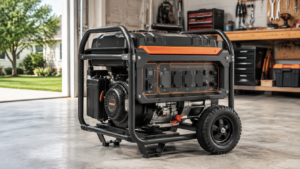
Generator firing up then quitting a few seconds later? A unit that starts but will not stay running is a classic fuel or choke problem, and it usually points to the carburetor not getting a steady supply.
Here is why it dies and how to keep it running.
This article will teach you:
- Why it starts then stalls
- How the choke plays a role
- What to check first
- When a part has failed
Why It Won’t Stay Running
- Running on choke, then dying when it opens.
- A clogged carburetor starving it after start.
- A blocked fuel cap vent.
- Low oil triggering shutdown.
What You’ll Need
- Fresh fuel
- Carburetor cleaner
- Your owner’s manual
How to Keep a Generator Running
- Move the choke off slowly. Ease the choke open as it warms so it does not stall.
- Check the oil. Top up oil so the low-oil sensor does not shut it down.
- Vent the cap. Loosen the fuel cap to test for a vacuum lock.
- Clean the carburetor. Clear the jets if it dies once the choke opens.
Pro Tip: If the generator only runs with the choke on and dies when you open it, the carburetor jets are partly clogged. It is getting just enough fuel on choke, but not enough to run normally.
When to Look a Little Deeper
Because stalling ties to fuel and choke, it helps to check those, and reviewing a clogged carburetor, a choke problem, or a clogged fuel line can reveal the cause.
Because clean fuel delivery is key, following steps to clean the fuel lines and check for fuel leaks both help.
When to Call a Pro
If fuel, oil, and the cap vent are fine and a clean carburetor still will not keep it running, deeper fuel-system or ignition work may be needed from a technician.
Wrapping Up
Starting then dying is usually fuel or choke. Here’s the recap:
- Ease the choke open slowly.
- Top up the oil.
- Vent the fuel cap.
- Clean the carburetor.
Work the choke and fuel first, and it usually keeps running. Stay safe.