

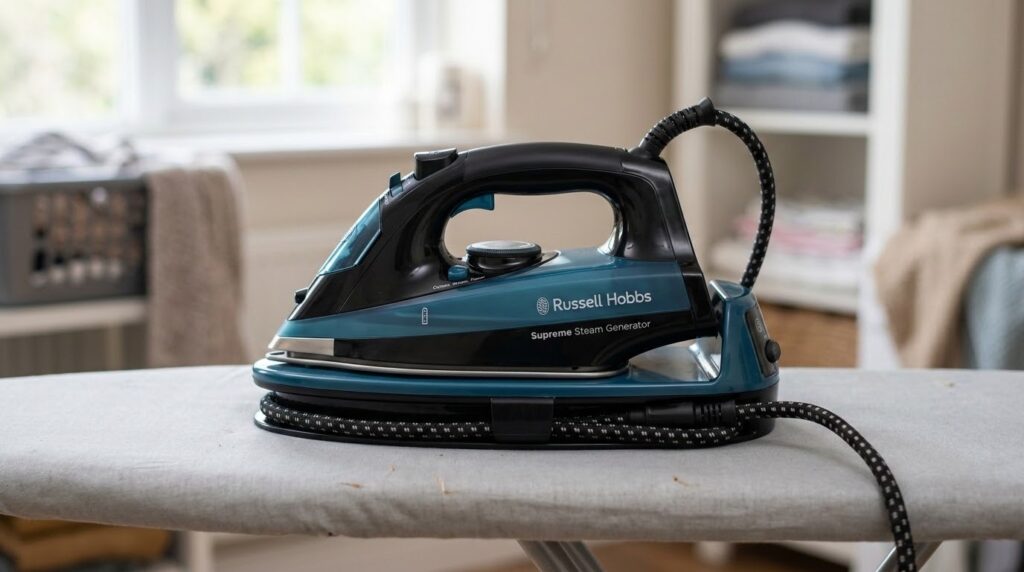
Have you ever ironed a shirt only to smell something burning a few seconds later? Then you flip the iron over and see melted fabric stuck to the bottom. It happens fast, especially with synthetic materials like polyester or nylon.
The good news is that most irons can be saved with the right cleaning method. In many cases, cleaning iron soleplate surfaces is easier than people think. You may already have the tools you need at home.
This guide walks you through safe and simple ways to remove melted fabric, clear sticky residue, and restore your iron without damaging it further.
Why Fabric Melts Onto an Iron Soleplate
Fabric usually melts because the iron gets hotter than the material can handle. Synthetic fabrics are the most common problem because they react badly to high heat.
Common Causes of Melted Fabric on Irons
Several things can lead to melted fabric on an iron:
- Using the wrong temperature setting
- Leaving the iron in one spot too long
- Ironing delicate fabric with high heat
- Accidentally touching printed designs or plastic decorations
Have you ever ironed too quickly without checking the fabric label? Many people do. That small mistake can leave sticky plastic on the iron plate within seconds.
Fabrics Most Likely to Melt
Some materials melt faster than others. These include:
- Polyester
- Nylon
- Acrylic
- Spandex blends
- Vinyl prints and decals
Cotton and linen can scorch, but synthetic fabrics often melt and stick directly to the iron.
Signs Your Iron Needs Immediate Cleaning
A dirty iron may show warning signs such as:
- Sticky residue on the soleplate
- Black marks on clothing
- A burnt smell during ironing
- Rough spots on the plate
- Steam vents clogged with debris
If you notice these problems, stop using the iron until it is cleaned properly.
What You Should NOT Do Before Cleaning the Iron Soleplate
Many people make the damage worse while trying to clean the iron quickly. A few simple safety steps can protect the soleplate from scratches and permanent damage.
Avoid Scraping With Sharp Metal Tools
It may feel tempting to grab a knife or screwdriver to scrape off melted plastic. Avoid doing this.
Sharp metal tools can scratch the iron surface. Once scratched, the soleplate may drag across clothing and damage fabric later.
Instead, use wooden or silicone tools that are softer than the iron surface.
Never Use Steel Wool on Nonstick Plates
Steel wool may remove residue, but it can also strip away protective coatings.
Many modern irons have nonstick or ceramic surfaces. Rough scrubbers can ruin them permanently.
Always choose soft cloths or gentle sponges.
Do Not Plug in an Iron Near Water
Water and electricity are a dangerous mix. Keep the iron unplugged while cleaning unless the instructions specifically require light warming.
Safety comes first.
Avoid Harsh Chemicals
Strong chemicals like bleach or paint thinner may damage the iron coating and create strong fumes.
Simple household cleaners often work better and are safer to use indoors.
Tools and Supplies Needed for DIY Iron Plate Cleanup
You do not need expensive products for cleaning the iron soleplate residue. Most people already have these supplies at home.
Household Supplies That Work Well
Helpful items include:
- White vinegar
- Baking soda
- Soft microfiber cloths
- Cotton swabs
- Dish soap
- Wooden spatula or spoon
- Warm water
Optional Cleaning Helpers
You may also use:
- Magic eraser sponge
- Commercial iron cleaning stick
- Old towel for testing
These extra tools can help with tougher stains or melted polyester on iron surfaces.
Step-by-Step Cleaning Iron Soleplate After Melting Fabric
Now let’s clean the iron safely step by step.
Step 1: Unplug the Iron and Let It Cool Slightly
The iron should be warm, not extremely hot.
Why does this matter? Warm residue is softer and easier to remove. A very hot iron can burn your hands or spread melted plastic further.
Unplug the iron and wait a few minutes before starting.
Step 2: Peel Off Large Melted Fabric Pieces
Use a wooden spatula or silicone scraper to lift large pieces of fabric from the soleplate. Work slowly and gently. Do not force hardened plastic off the surface. If it feels stuck, move to the next step first.
This is one of the safest ways to remove plastic from iron soleplate surfaces without scratching them.
Step 3: Wipe the Soleplate With White Vinegar
White vinegar works very well for loosening sticky residue.
Here is what to do:
- Soak a soft cloth in white vinegar.
- Rub the warm soleplate gently.
- Focus on sticky or burnt areas.
The vinegar helps soften melted polyester on iron plates and breaks down burnt material.
For a thicker buildup, place the vinegar-soaked cloth on the warm iron plate for several minutes before wiping.
Step 4: Use Baking Soda Paste for Burn Marks
Some stains may remain after using vinegar. Baking soda can help remove them safely.
Mix:
- 2 tablespoons baking soda
- 1 tablespoon water
This creates a thick paste. Spread the paste onto the cool soleplate using a soft cloth. Rub gently in small circles. Avoid pushing paste into steam holes. Baking soda helps lift dark marks without scratching the iron.
Step 5: Clean Steam Holes Carefully
Steam vents can trap melted fibers and mineral buildup. Use cotton swabs or wooden toothpicks to clean inside the holes gently. If the vents remain blocked, steam may stop working properly later. Never use metal pins because they can damage the openings.
Step 6: Wipe the Entire Surface Clean
Once the residue is gone, wipe the soleplate with a clean damp cloth. This removes leftover vinegar and baking soda. Dry the surface fully before plugging the iron back in.
Step 7: Test the Iron on an Old Cloth
Before ironing good clothes again, test the iron on an old towel or rag.
Check for:
- Smooth gliding
- No sticky feeling
- No black marks
- Proper steam flow
If stains still transfer onto fabric, repeat the cleaning process.
How to Remove Stubborn Plastic From an Iron Soleplate
Sometimes, melted plastic becomes very hard and difficult to remove. Do not worry. A few extra tricks may help.
Try the Warm Towel Method
Place an old towel on an ironing board. Turn the iron to a low warm setting and gently iron over the towel. The heat may soften leftover plastic and transfer some residue onto the towel instead of the iron. Be careful not to overheat the iron again.
Use Salt for Extra Cleaning Power
Salt can help lift stubborn residue safely.
Here is a simple method:
- Sprinkle plain salt onto a sheet of paper.
- Warm the iron slightly.
- Glide the iron across the salt gently.
The salt helps scrub away residue without harsh tools.
This is one of the oldest iron plate cleanup tips and still works well today.
When to Use a Commercial Iron Cleaner
If home methods fail, an iron cleaning stick may help. These products are made for burnt residue and tough stains. Always follow the product directions carefully.
How to Restore Iron After Melting Clothes
Cleaning the iron is only part of the job. You also want to make sure it still works properly.
Check for Surface Damage
Look closely at the soleplate.
Check for:
- Deep scratches
- Peeling coating
- Rough patches
- Cracks
A damaged surface may continue sticking to clothes even after cleaning.
Test the Steam Function
Fill the water tank and test the steam feature. Does steam flow evenly? Blocked steam vents may still contain hidden residue. If steam sputters or smells burnt, clean the vents again carefully.
Know When Replacement May Be Better
Sometimes an iron cannot be fully restored.
You may need a replacement if:
- The coating is badly damaged
- The iron smells burnt all the time
- Electrical problems appear
- The plate stays rough after cleaning
A damaged iron can ruin clothing, so replacement may save money in the long run.
Conclusion
Melting fabric onto an iron can feel frustrating, but the problem is often fixable. With gentle methods and a little patience, cleaning iron soleplate residue becomes much easier.
Simple household items like vinegar and baking soda can remove sticky buildup, burnt marks, and melted polyester safely. The key is acting quickly before the residue hardens.
A clean iron works better, glides smoothly, and helps protect your clothes from stains or damage. Regular maintenance and careful heat settings can also help prevent future accidents.