Washer settings that do not respond or switch properly often point to a worn selector switch. This is a common issue that can be fixed at home with a few tools and a bit of time. Replacing the selector switch helps restore full control over your wash cycles and keeps your machine working as it should.
What the Selector Switch Does and Why It Fails
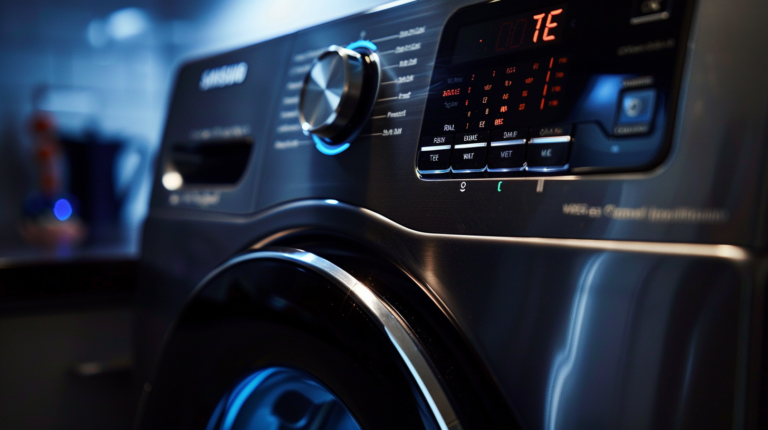
The selector switch is the dial or knob on your washer’s control panel. It lets you choose cycle options like water temperature, spin speed, soil level, and fabric type.
Inside the switch are electrical contacts that direct power to different parts of the washer. Each time you turn the dial, these contacts open and close to activate the selected setting.
Over time, these contacts can wear down or become damaged. When that happens, the washer may stop responding to certain settings or behave unpredictably.
Common signs of a faulty selector switch include:
- Wash cycle options do not respond when the dial is turned
- Settings stay stuck on one mode
- The washer starts running as soon as it is powered on
- Burning smell coming from the control panel
- Visible sparking near the selector switch
Common Causes of Selector Switch Failure
Several factors can lead to selector switch problems over time.
- Normal wear from repeated turning of the dial during daily use
- Electrical arcing inside the switch that damages internal contacts
- Moisture buildup inside the control panel area
- Detergent residue or debris entering the switch housing
- Loose wiring connections behind the control panel
- Power surges that affect internal electrical components
- Physical damage from forcing or turning the dial too hard
- Aging plastic parts that crack or weaken with time
Tools and Parts You Need
Gather everything before starting the repair to keep the process smooth.
- Replacement selector switch WPW10285512 compatible with your washer
- 1/4 inch nut driver
- Flathead screwdriver
Safety Tips Before You Start
Working on a washer involves electricity and internal components, so take a careful approach.
- Unplug the washer from the power source or switch off the breaker
- Let the machine cool down if it was recently used
- Turn off the water supply at the wall outlet
- Keep towels nearby to catch any leftover water
- Work in a clean, well lit space
- Keep children and pets away from the area
- Keep your hands dry at all times while working
- Use insulated gloves to protect against sharp edges
- Avoid touching exposed wires directly
- Take photos of wire connections before disconnecting them
- Handle all parts gently to avoid damage
Why Replacing the Selector Switch Matters
Fixing a faulty selector switch brings back proper control over your washer and helps avoid bigger problems over time.
- Restores full access to all wash cycle settings
- Prevents incorrect water temperature or spin behavior
- Reduces the risk of electrical issues inside the control panel
- Helps avoid unnecessary strain on other components
- Extends the overall life of your washer
A working selector switch keeps your laundry routine simple and predictable again.
How to Replace Whirlpool/KitchenAid/Maytag Washer Selector Switch
Follow these steps to remove the old selector switch and install a new one so your washer can run cycles properly again.
Access the Selector Switch
- Unplug the washer from the power source
- Move the washer away from the wall to create working space
- Use a nut driver to remove the screws securing the small rear access panel
- Pull the small access panel out by gently lifting the tabs
- Remove the screws holding the larger access panel
- Grab the bottom of the larger panel and pull it outward past the water hoses
- Lower the panel down carefully and set it aside
Remove the Old Selector Switch
- Pull the knob straight off the selector switch
- Locate the release tab on the selector switch and lift it up
- Turn the switch counterclockwise to unlock it from the console
- Use a flathead screwdriver to disconnect the wire harness from the switch
- Pull the old selector switch out of the washer
Install the New Selector Switch
- Connect the wire harness to the new selector switch until it clicks into place
- Insert the new switch shaft through the console opening
- Align it properly and press until it locks in place
- Line up the flat side of the knob with the shaft
- Push the knob firmly onto the new selector switch
Reassemble and Test the Washer
- Lift the larger access panel back into position
- Secure it with the screws using a nut driver
- Align the tabs on the smaller access panel with the slots
- Swing it into place and fasten it with the screws
- Plug the washer back into the power source
- Slide the washer back against the wall
- Run a short cycle to check that the new selector switch works properly
Mistakes to Avoid During Replacement
Small mistakes can lead to bigger issues, so it helps to stay aware while working.
- Skipping power disconnection before opening the washer
- Pulling wires instead of disconnecting them from the terminals
- Forgetting the original wire placement before removal
- Using the wrong tools that can strip screws or damage panels
- Forcing parts apart instead of loosening them properly
- Leaving screws or components loose during reassembly
- Installing the wrong replacement part for your washer model
- Touching electrical parts with wet hands
- Rushing through the process without checking each step
Related guides
Key Takeaways
A washer that does not respond to your settings can feel frustrating, but this fix brings things back to normal without much trouble. The selector switch controls how your machine runs, so getting it working again makes a big difference in how your laundry turns out.
Taking your time, following each step, and handling parts with care helps the repair go smoothly. Once the new switch is in place, you can expect your washer to respond properly and run cycles the way it should.
Keep an eye on how the controls feel over time and avoid forcing the dial to prevent future issues. A little attention now can help your washer stay reliable for the long run.
Once you know which part failed, find the matching washer parts by model number so the replacement fits the first time.