

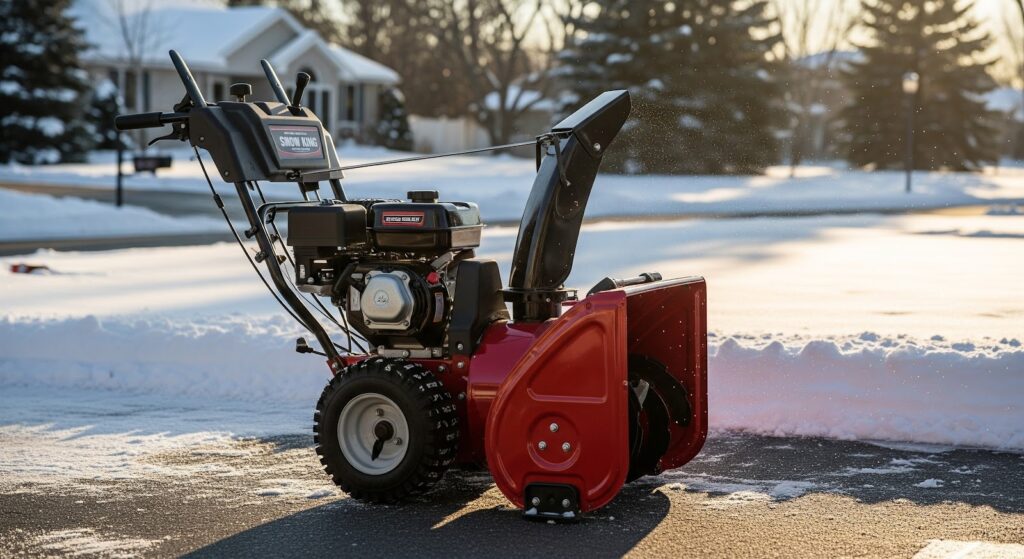
When winter arrives, a snow blower quickly becomes your best friend. Like any hardworking machine, it needs regular care to perform at its best. One important component that keeps your blower running is the auger belt, the part that powers the auger to chew through snow and throw it out of the chute.
A worn or damaged belt reduces efficiency, but replacing it is a straightforward DIY project. Here’s what you need to know.
What Is the Auger Belt?
The auger belt is the part of the machine that connects the engine to the auger assembly, transferring power that spins the blades and clears your path.
When the blower is engaged, the belt spins the auger, scoops up snow, and launches it through the discharge chute. Without a properly working belt, the auger cannot do its job.
Why Auger Belts Wear Out
Understanding why belts wear out helps you spot issues early and prolong the life of replacement parts. Common causes include:
- Continuous exposure to cold temperatures that stiffen rubber and cause cracking
- Friction from debris such as ice chunks, small rocks, or dirt particles
- Overloading the blower with heavy or wet snow that strains the belt
- Improper tension adjustment that either stretches or weakens the belt
- Normal wear from repeated use over several seasons
Signs It’s Time for a New Belt
Watch for these indicators that your auger belt needs replacement:
- Reduced performance, especially with heavy or packed snow
- Slipping, squealing, or chattering noises
- Cracks, fraying, or glazing visible on the belt
Tools and Supplies You’ll Need
Before starting, gather the following:
- Wrenches (standard and metric) for nuts and bolts
- Needle-nose pliers for gripping and holding parts
- Flathead and Phillips screwdrivers for covers and fasteners
- Socket set with multiple sizes for bolts and nuts
- Replacement auger belt compatible with your snow blower model
- Safety glasses and sturdy gloves
- Clean rags or towels for grease and dirt
Safety First
Working on a snow blower involves sharp parts and potential hazards. Protect yourself by following these precautions:
- Power off and unplug the blower before beginning
- Disconnect the spark plug wire to prevent accidental starts
- Allow the engine to cool down before handling
- Place the blower on a flat, stable surface and use wheel chocks if needed
- Work in a clean, dry, well-lit space free of clutter
- Keep children and pets away from your workspace
- Wear safety glasses and gloves at all times
- Refer to your user manual for model-specific instructions
How to Replace a Snow Blower Auger Belt
Follow these steps to safely remove the old belt and install a new one.
Step 1. Locate the Auger Belt
- Disconnect the spark plug wire for safety.
- Remove the protective cover or access panel to access the auger housing.
- Locate the auger belt running from the engine pulley to the auger assembly.
- Note how the belt is threaded around the pulleys.
Step 2. Remove the Old Belt
- Find the belt tensioning mechanism and release the tension.
- Slide the old belt off the pulleys.
- Use pliers or a wrench if the belt is stuck.
- Inspect the old belt for damage or wear.
- Clean the pulleys and auger housing of dirt, ice, or debris.
Step 3. Install the New Belt
- Keep the tensioning mechanism engaged while installing the new belt.
- Place one end of the new belt over the engine pulley.
- Thread the belt around the pulleys in the same path as the old belt.
- Confirm the belt sits properly in the pulley grooves.
- Release the tensioning mechanism to tighten the belt.
- Check that the belt is aligned and has proper tension.
- Rotate the auger manually to confirm smooth movement.
- Reattach any covers or access panels.
Step 4. Test the Auger Belt
- Reconnect the spark plug wire.
- Start the engine and engage the auger.
- Listen for unusual noises such as grinding or squealing.
- Test the auger in snow to confirm smooth operation and proper snow throwing.
Maintenance Tips to Extend Belt Life
You can make your new belt last longer with proper care and routine checks:
- Inspect the belt at the start and end of every snow season for cracks or wear
- Keep the auger housing and belt area free of packed snow and debris
- Store the blower in a dry, covered space to protect the belt from moisture and temperature swings
- Follow the manufacturer’s recommendations for tension adjustments
- Avoid forcing the blower through heavy snow too quickly
- Replace belts with original or approved parts to maintain compatibility and performance
Key Takeaways
A fresh auger belt keeps your snow blower running strong when you need it most. Checking it at the start and end of the season saves you from mid-storm surprises and makes clearing snow smoother and faster. Replacing the belt is a manageable project with the right tools, a little patience, and a focus on safety. Once it’s done, you can feel confident that your machine is ready for the heavy lifting ahead. Taking a few minutes now to swap in a new belt will reward you with better performance and less frustration all winter long.