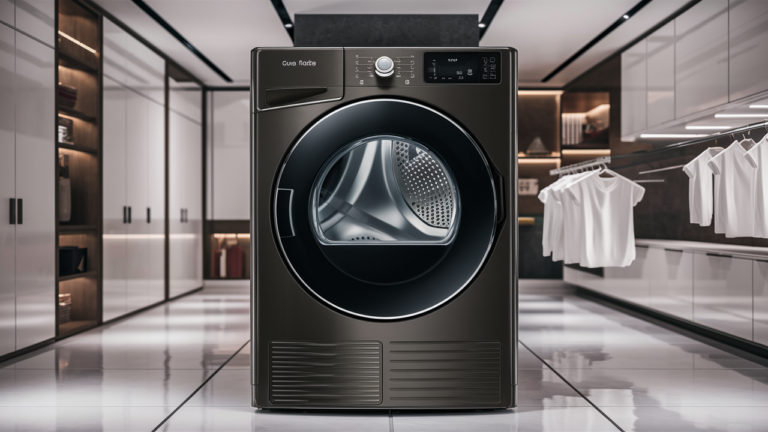
Seeing an EF1 error code appear on your Frigidaire dryer? This means there is likely a blockage in the venting system preventing proper airflow. Without efficient hot air circulation, overheating and fire hazards become serious risks. Clearing debris from the ductwork is crucial, but safety should come first. Make sure to disconnect the power and work cautiously. Methodically inspect the lint filter, vent hose, and outside vent hood. Remove any built-up lint or nesting materials. If cleaning the ducts doesn’t resolve the error, the thermistors or the control board may need replacement.
Follow some key troubleshooting steps to clear the frustrating EF1 code, restore ventilation, and get your Frigidaire dryer drying loads properly again.
What Does the EF1 Error Code Mean on a Frigidaire Dryer?
Seeing an EF1 error code pop up on your Frigidaire dryer display can be confusing. But understanding what this error code means is an important first step in getting your dryer working again.
The EF1 Code Means There’s a Vent Blockage
The EF1 error code tells you there is some kind of blockage in the dryer’s vent system. This could be caused by a buildup of lint, debris stuck in the vent, or problems with the vent setup itself.
Whatever the cause, a blocked vent prevents proper airflow. Hot, moist air can’t escape from the vent as efficiently. Let’s look at why this matters.
Why a Blocked Vent is a Problem
A vent blockage causes three big issues:
- It stops hot air from venting out. This can lead to overheating.
- Overheating raises a fire hazard. Lint and debris around the heating elements can ignite.
- It takes longer for clothes to dry without good airflow.
Clearly, a blocked vent is something you want to fix right away. The potential for overheating and fire makes it a serious safety issue.
What Typically Causes a Vent Blockage?
There are a few common causes of blocked vents:
- Lint buildup – This is the most common. Lint traps moisture and clogs airflow.
- Debris or objects stuck in the vent – Birds or rodents could nest in the vent.
- Wrong vent setup – Too long or kinked vents trap lint. Foil or plastic venting causes issues.
- Lint buildup beyond the filter – Lint gets past the filter and clogs the ducting.
Checking all these areas will help you find and remove the blockage causing the EF1 error code.
Safety First When Inspecting a Dryer Vent
Dealing with a blocked dryer vent requires getting into tight spaces and working with electrical parts. Make safety your top concern before diving in. Rushing can lead to electric shocks, burns, or cuts. Instead, take things slow and be cautious. Here are some tips to work safely:
Start by Powering Off and Unplugging
- Shut off the dryer and unplug it from the wall outlet. This cuts power to avoid shocks.
- If you just finished drying a load, let the dryer cool down first. Surfaces get very hot!
Additional Tips for Gas Dryers
- Make sure to shut off the gas valve, too. This removes any gas supply during service.
- Use a gas leak detector to check for leaks before reconnecting the gas.
Work in a Clear, Well-Lit Spot
- Choose an open area with good lighting and minimal clutter. This prevents accidents.
- Use a headlamp if lighting is poor in tight spaces behind the dryer.
Review Safety in the Manual
- Check your model’s manual for warnings and instructions. Follow all precautions.
- There may be specific steps for disconnecting gas, water, or electric parts.
Handle Parts Gently and With Care
- Use care not to bend or damage small vent pieces and wiring.
- Grip parts firmly but gently when removing or replacing them.
Protect Yourself from Hazards
- Wear insulated gloves when testing connections. This prevents shocks.
- Put on safety glasses and a mask to protect from dirt and debris.
Working carefully is the key. By putting safety first, you can clear the vent blockage without any incidents. Now, let’s look at the step-by-step process for inspecting the vent system.
Step-by-Step Guide to Fixing a Blocked Dryer Vent
Once you’ve taken proper safety precautions, follow this process for inspecting and clearing obstructions from the vent:
Step 1: Thoroughly Clean the Vent and Ducting
Start troubleshooting at the exit point by cleaning the visible portions of the vent system:
- Unplug the dryer from the electrical supply before doing any work or disassembling it.
- Remove and clean out the lint filter. Lint accumulation directly on the filter is quite common.
- Use a vacuum crevice tool to extract any lint buildup from inside the filter housing.
- Detach the flexible metal vent hose from the dryer cabinet and the exterior vent hood. Inspect its full length closely for obstructions.
- Carefully run a specialty dryer vent brush through the hose to dislodge any trapped lint or debris. Capture it as you work.
- Inspect the outdoor vent hood and make sure the flapper opens and closes fully. Clear any lint or nest debris from the hood.
- Reconnect the vent hose securely to the dryer and wall hood once cleaning is complete. Leaks let moist air accumulate.
Step 2: Test and Inspect the Thermistors
If the EF1 error persists after a thorough vent cleaning, the air circulation sensors could be malfunctioning:
- Locate the exhaust and inlet thermistors inside the dryer cabinet. Refer to the schematic in your model’s service manual.
- Label wires and disconnect them from each thermistor’s terminals. Taking photos helps ensure correct reassembly.
- Closely inspect the thermistors themselves for any sign of physical damage, cracks, or overheating.
- Check that the wiring is intact and all connections at the terminals are snug.
- A multimeter is used to take resistance readings on each thermistor’s sensing element. Compare to the acceptable ohm range listed in your manual.
- If readings fall outside the specified range, the thermistors should be replaced. This restores proper airflow monitoring.
Last Step: Control Board Replacement
If cleaning and thermistor testing don’t resolve the EF1 error, the electronic control board may be defective. Have an authorized technician inspect the board for issues and replace it if necessary. This is usually the last resort when other fixes fail to clear the code.
By methodically working through these troubleshooting steps, you should be able to track down and eliminate whatever is causing restricted airflow and that pesky EF1 error on your Frigidaire dryer. Just take things slow and exercise caution when working with electrical appliances.
Related guides
Wrapping Up
Dealing with dryer error codes can be frustrating. Hopefully, this guide will give you a good understanding of what the Frigidaire EF1 code means and how to fix it. To recap, the EF1 code indicates some kind of blockage in the venting system. This prevents proper hot air circulation and moisture removal. Left unfixed, it can cause overheating and fire hazards.
Safety should always come first when doing any dryer maintenance. Make sure power and gas are disconnected. Work carefully in a clean area and wear protective gear. Methodically inspecting and cleaning the ductwork is the first troubleshooting step. Remove built-up lint and clear any obstructions. Check the thermistors next if needed. While it takes some time and effort, finding and fixing a restricted vent will solve the EF1 error. Your Frigidaire dryer will be back to drying loads quickly and safely.
With the cause confirmed, order the dryer thermistor parts for your exact model and keep the old part until the repair has passed a full cycle.