Quick answer
Check visible condition and normal use regularly, record pressure only against your model’s allowed range, keep surrounding access clear, and arrange yearly expert service. Radiator bleeding, condensate-trap cleaning, and magnetic-filter work depend on the system and may require service. Do not open hot or pressurized parts or adjust fuel and fuel burning parts.
Keep the boiler’s care notes where you can find them. When was its last service? Has anything changed since then? A boiler maintenance checklist helps you plan simple checks and record what you see. It also marks clear limits. Leave hot water, fuel, pressure, and wiring work to the right service provider.
This guide covers weekly checks, monthly reviews, and seasonal service planning. You’ll learn what to record, which visible changes matter, and when to call for help. Boilers differ in fuel, controls, and heating layout, so no single pressure reading or cleaning method applies to them all. Keep routine owner care within accessible areas and leave internal service to a trained service pro.
Quick Facts
Hot surfaces and pressurized water make internal boiler work unsuitable for a generic care routine.
- Difficulty: Not stated
- Time: Not stated
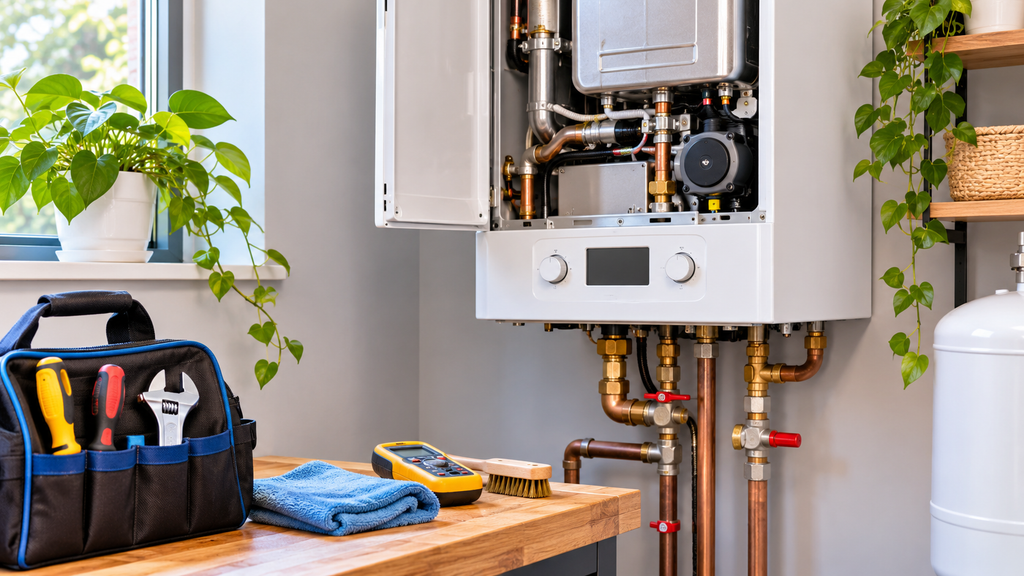
- Tools: Service log, soft cloth for cool exterior surfaces
- Part cost: Not stated
- Skill level: Not stated; internal service requires trained help
Order the part with confidence
- Guaranteed to fit when you search by model number
- Same-day shipping on in-stock parts
- 365-day returns on any part
- Free tech support before and after you buy
Why a Boiler Checklist Pays Off
A checklist makes changes easier to notice. A small wet patch, new noise, or repeated need for attention can be missed when each event is viewed alone. Note the normal pressure. Record how the heat runs too. This gives a service pro useful facts later.
It also keeps maintenance from becoming random part replacement. A filter, gasket, or relief valve is not a consumable to change because it appears in a shopping list. The right service depends on condition, system design, and the model’s needs.
Use the boiler maintenance checklist to assign responsibility as well as timing. Decide which checks you can make from the outside and which tasks belong on the expert service visit.
Weekly Tasks
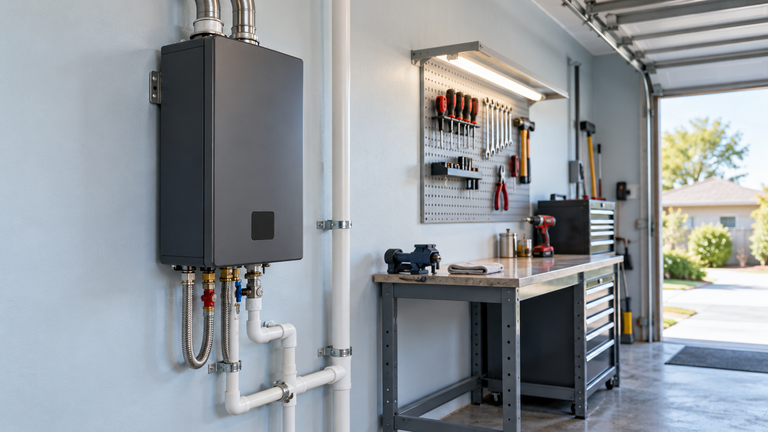
Look around the boiler and nearby pipework without touching hot surfaces. Check for visible moisture, corrosion, new stains, or objects leaning against the appliance. Keep the normal service access and required air vents clear.
A simple weekly record can include these items.
- Use: Whether heat and hot water behave normally
- Appearance: New leaks or stains around accessible areas
- Sound: A new or persistent unusual noise
- Access: Clear space for ventilation and service
Do not remove a casing to get a better view of fuel burning parts. A visible concern is enough reason to call. If you smell fuel or a carbon monoxide alarm sounds, leave the area and get urgent help rather than continuing a maintenance check.
Monthly Tasks
Check the pressure display, if present, against the range stated for your exact system and its operating condition. A cold reading and a hot reading may differ. Write down the conditions with the number rather than treating one generic value as correct for every boiler.
Do not keep adding water to hide a recurring pressure change. That pattern needs assessment. A pressure relief valve is a safety device, not a control to adjust casually.
Review radiators for uneven heating and visible leaks. Bleeding may be part of a allowed system routine, but it affects pressure and can release hot water. Use the correct system procedure or arrange service if you are unsure. Review the service log and note any repeated concerns.
Seasonal and Yearly Tasks
Book the yearly service ahead of the busiest heating period. Tell the service pro about pressure changes, noises, leaks, and any areas that do not heat normally. A clear log can be more useful than a guess about which part is failing.
Condensate traps on condensing boilers handle water from normal use. Magnetic filters, where fitted, collect certain debris from heating water. Both have system-specific service needs, and opening them without the right procedure can cause leaks or unsafe conditions.
The seasonal section of a boiler maintenance checklist should include expert attention to internal condition, controls, and required safety checks. Do not clean burners, adjust fuel burning, or open a sealed flue as a homeowner task.
Signs It Needs Attention Between Checks
Arrange attention for these warning signs.
- Visible leaks
- Repeated pressure loss
- Unusual banging
- Signs of overheating
- A system that repeatedly stops
Do not bypass a control or repeatedly reset the boiler to keep heat running.
Keep fuel odor and carbon monoxide warnings separate from routine scheduling. Leave the area and seek urgent assistance. Do not stay beside the boiler trying to identify a smell or silence an alarm.
What if the concern seems small? Record it and ask for advice before it grows, especially if it repeats. A boiler maintenance checklist is most useful when new signs change the plan, rather than waiting for the next monthly or annual date.
Frequently Asked Questions
These answers explain how to divide routine checks and expert service.
What should be on a boiler maintenance checklist?
Include visible leak checks, clear access, normal-use notes, model-specific pressure checks, and yearly service. Add radiator, condensate-trap, and magnetic-filter needs only where they apply to the system. The checklist should say who handles each task, not imply that all are safe owner work.
How often should each task be done?
Use weekly visual checks, a monthly review of pressure and records, and yearly expert service as the planning structure. Your model or service provider may call for different timing. New leaks, fuel odor, or abnormal use need attention sooner than a calendar reminder.
Which tasks can you do yourself?
You can usually keep the surrounding space clear, wipe a cool exterior, watch displays, and record changes. Do not open hot or pressurized parts or work on fuel, flue, or internal wiring. Ask before taking on tasks that affect system pressure.
What signs mean it needs attention sooner?
Leaks, recurring pressure changes, unusual noise, repeated shutdowns, or poor heating deserve prompt advice. Fuel odor and a carbon monoxide alarm require leaving the area and urgent help. Do not continue a normal checklist during a possible safety problem.
Final Thoughts: Keep It Simple and Consistent
Clear records and early service planning make boiler care easier to manage. Keep owner checks simple and use trained help for internal work. A steady routine is useful because it makes a change stand out, not because it guarantees that no problem will occur.
Still stuck after this guide?
Two free options: post your model number and symptom on the forum, or search the model number in the shop to see every part that fits.