Quick answer
Turn off the heat, disconnect an electric heater, and let the unit cool. Use a soft vacuum brush to lift loose dust, then gently reach accessible gaps with a radiator brush. Wipe the outside without soaking the unit. Do not bend fins, open sealed oil-filled sections, or push tools into hidden electrical parts.
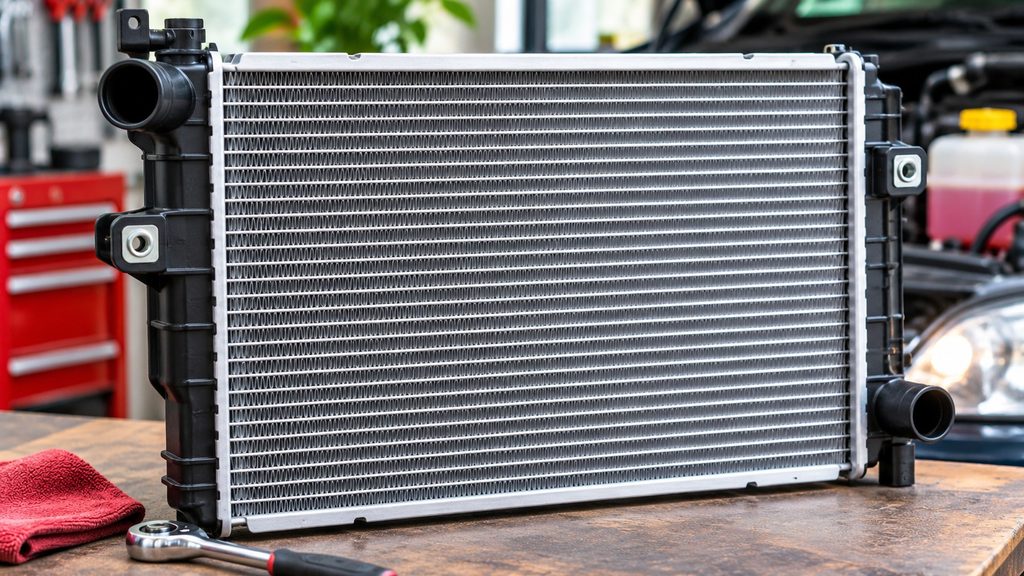
Look between a radiator’s narrow fins and you may find dust that ordinary wiping misses. How do you reach it without bending the metal? The answer to how to clean radiator fins starts with a cool unit, gentle tools, and a clear distinction between water-safe parts and electrical areas.
This guide covers gentle tools, a dry cleaning method, and a useful seasonal routine. It also explains the difference between an exposed finned radiator and a sealed oil-filled space heater. You can usually clean accessible surfaces without opening the heater. Leave covers, wiring, and sealed sections alone unless they are clearly designed for routine owner access.
Quick Facts
Clean only when the heater is off and completely cool.
- Difficulty: Not specified
- Time: Not specified
- Tools: Soft vacuum brush, radiator brush, soft cloth
- Part cost: Not specified
- Skill level: Not specified; accessible exterior cleaning only
Order the part with confidence
- Guaranteed to fit when you search by model number
- Same-day shipping on in-stock parts
- 365-day returns on any part
- Free tech support before and after you buy
What You Need to Clean Your Radiator Fins
Choose tools that can move between gaps without spreading the fins. A radiator brush has a slim shape for this purpose. A soft vacuum brush can collect dust as you loosen it, reducing the amount that falls back into the room.
Useful supplies include these items.
- Vacuum with a soft brush attachment
- Soft radiator brush sized for accessible gaps
- Dry microfiber cloth
- Lightly damp cloth for a washable exterior
- Floor covering for loose dust
Do not use a rigid metal tool just because it fits. A yardstick wrapped in a cloth may reach open spaces on some radiators, but it should not be forced through close fins or heater grilles. Match the tool to the accessible space, rather than widening that space with pressure.
How to Clean Your Radiator Fins Step by Step
Follow these steps to remove loose dust from accessible radiator fins.
Cool and Dust the Unit
- Turn off the heat and disconnect a portable electric heater.
- Wait until the heater and nearby metal are cool.
- Place a covering beneath the work area to catch falling dust.
- Vacuum the accessible fin surfaces gently with a soft brush.
- Pass a soft radiator brush through open gaps without forcing the fins apart.
- Collect the loosened dust with the vacuum.
- Wipe the exterior and let any damp surface dry before use.
Stop where access ends. A fixed baseboard cover or portable heater grille may not be an owner-removable part. Do not remove screws to reach a hidden heating element. On a sealed oil-filled radiator, clean the outside of the columns only; the internal oil space is not part of routine cleaning.
Didn't fix it? Ask a technician on the AppliancePartsPros forum.
Post your model number, the symptom, and what you've already tried. Appliance techs and experienced DIYers answer for free, usually the same day.
Ask the forum →80,000+ solved repair threads · no account needed to readHow Often to Clean Your Radiator Fins
Clean before heating season so stored dust is removed before regular use. A second clean after the season helps prevent that dust from sitting for months. Those two seasonal checks come from the care plan, not from a rule that every heater collects dust at the same rate.
Look sooner when pets, renovation dust, or nearby fabrics leave visible buildup. A quick visual check during normal room cleaning may show that the next full clean should come early.
How often should you review how to clean radiator fins? Revisit the method when you change heaters or move into a home with a different heating system. A baseboard convector and a portable oil-filled heater do not share every cleaning detail.
What Not to Use on Your Radiator Fins
Avoid these mistakes and unsafe methods.
- Avoid steel brushes, sharp scrapers, and strong blasts that push dust deep into a heater.
- Do not spray water or cleaner through a grille. An electric heating element and its controls must stay dry.
- Keep abrasive pads away from painted surfaces and avoid twisting fins back and forth to reach trapped lint. Bent fins may need professional attention, especially where access is tight. Cleaning is not a reason to pry open a sealed unit.
- A water heater is a different appliance.
- Do not pour vinegar into one as an extension of radiator cleaning, and do not decide whether to flush an older water heater from its age alone. Its condition and service history need a separate, model-specific maintenance plan.
How to Keep Your Radiator Fins Cleaner for Longer
Keep these habits in mind during routine use.
- Keep the area around the radiator tidy so dust is easier to collect before it reaches the fins.
- Clean nearby floors and baseboards with the heat off and cool.
- Do not drape clothing over a heater or store objects against a grille.
- Allow the clear space required for your unit. That gives warm air room to move and helps you see when dust starts to gather.
- Avoid adding decorative covers unless they are approved for the heater and installation.
Once you know how to clean radiator fins gently, shorter routine checks become easier. You are looking for light dust and clear air paths, not polishing every hidden surface or reaching into the electrical section.
Frequently Asked Questions
These answers apply to accessible fin and exterior cleaning.
How do you clean your radiator fins?
Turn off and cool the unit, vacuum loose dust with a soft brush, and use a slim soft brush in open gaps. Finish by cleaning the fallen dust. The core of how to clean radiator fins is gentle dry cleaning with no pressure that bends the metal.
How often should you clean your radiator fins?
Plan a clean before and after heating season, then check more often in a dusty room. Visible lint or pet hair is a reason to clean sooner. Do not wait for a strong smell before reviewing accessible surfaces and the area around the heater.
What should you not use when you clean your radiator fins?
Avoid water sprayed into the heater, sharp metal tools, steel wool, and heavy pressure. Do not use a cleaner that can damage the exterior finish. Keep cords, controls, plugs, and internal electrical parts dry throughout the task.
Can you clean your radiator fins without taking it apart?
You can often remove light dust from open fins and the exterior without taking anything apart. A narrow brush can help where the gaps are accessible. If cleaning requires opening a sealed case or reaching around live parts, leave that work to service.
Final Thoughts: Keep It Simple and Consistent
Gentle tools and a cool heater make this a straightforward care task. Keep the air paths clear and stop before cleaning becomes disassembly. A regular seasonal check helps you spot buildup while it is still easy to remove.
Still stuck after this guide?
Two free options: post your model number and symptom on the forum, or search the model number in the shop to see every part that fits.