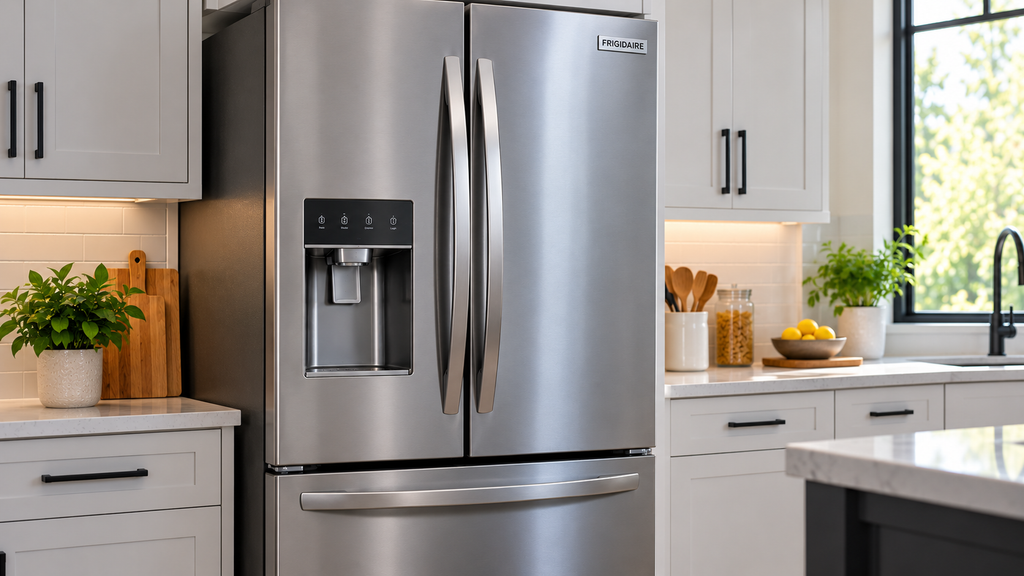
When a Frigidaire refrigerator will not dispense ice, a mechanical problem in the ice bin may be the cause, but the symptom does not automatically identify a failed auger motor. The bin auger inspection here applies to model FRS6LF7FS4. A clear finding should decide whether a mechanical replacement is warranted.
What This Symptom or Part Can and Cannot Prove
- Visible auger damage is evidence about the bin mechanism.
- Failure to dispense does not establish a motor failure.
- An intact auger does not verify the rest of the drive system.
Use the correct component name in the repair record. A request for the auger can lead to a motor listing when the damaged item is inside the bin. The Frigidaire bin auger is a mechanical component on the named refrigerator model, distinct from the motor that drives it.
Verify Your Model First
Find the Refrigerator model tag before ordering. Record the full model number, including its suffix, because parts with the same name can use different connectors, dimensions, ratings or mounting points across models.
Read the refrigerator label inside the cabinet and compare the full version with FRS6LF7FS4. The bin layout and compatible auger must be established from the actual model diagram. Similar exterior doors do not prove that the internal bin mechanism is the same.
The full appliance model number must come from the identification label on the appliance, rather than the front badge or an old order receipt. A clear photo makes a useful record when the refrigerator is difficult to reach. The serial number can help identify a production change, but it does not replace the model number.
Safety Before Testing
- Disconnect power before handling an exposed dispenser mechanism.
- Keep hands away from moving parts.
- Use gloves around sharp bin or metal edges.
- Keep the floor dry when handling ice.
- Avoid forcing a binding mechanism.
- Follow the model instructions for complete reassembly before operation.
Causes to Check Before Buying a Part
| Cause | Evidence | Safe check | What the result means |
| Bin auger damage | Visible deformation or a broken component | Inspect the removed bin as documented | A compatible mechanical repair may be needed |
| Different dispensing fault | Bin auger has no identified damage | Record the inspection finding | Do not assume the motor is bad |
| Wrong component selection | Listing names a motor instead of the bin part | Compare the diagram position | Confirm which item needs replacement |
Once the test identifies the failed part, confirm the exact replacement with the full model number. Use that category only when the diagnosis identifies a failed bin auger; a different finding needs its own matching part.
Safe Testing and Repair Order
Rule Out Access, Power, Airflow, Water-Flow or Obstruction Causes as Applicable
Record whether ice is present in the bin and what failed to happen during dispensing. The inspection below concerns the removable bin mechanism. It does not supply a motor resistance check or a universal control-board test. Keep the inspection result limited to the component that can actually be observed.
Inspect the Covered Bin Auger
- Remove the ice bin from the freezer.
- Empty the bin and retain the ice.
- Inspect the auger.
- Check for rust, cracks, bending, wear or binding rotation.
- A damaged auger needs a compatible replacement.
A bin auger inspection does not establish the method for replacing the part, restoring the bin or checking operation on a different design. Those actions require the actual model information. Do not order a motor merely because the inspection found no damaged auger.
Interpret the Result
A visible mechanical defect supports investigating the matching bin part. No identified defect means the inspection has not explained the complaint. It is a useful negative result, but it cannot diagnose a different component. The conditional link below belongs after damage to the bin auger is confirmed and the model fit is checked.
Test result confirmed the failure? Find the exact bin auger for this model number. This purchase step applies only after the stated evidence is present.
How to Identify the Correct Replacement for This Model
Confirm the auger’s diagram position and whether the model services it separately or as part of an assembly. A motor listing is not a substitute for the mechanical part. Ask the supplier to identify the current service part that matches the specific damaged location.
Match the full model to the manufacturer’s parts diagram before selecting a replacement part. A part name identifies the component type, while the diagram and compatible service number establish which version belongs in this appliance. A similar-looking photo can help with orientation, but it cannot confirm fit by itself.
Keep these records together:
- The full model number and suffix.
- The diagram position and current replacement part number.
- The observation or test result that led to the repair.
- A photo of the original part and its connections, where safely accessible.
Do not place an order while an unresolved model difference changes the repair method. Ask the supplier to check a superseded number against the actual appliance. The correct order should describe both the compatible part and the evidence for replacing it.
When to Stop and Call a Professional
- The bin does not match the documented design.
- The mechanism cannot be handled without forcing it.
- Replacement instructions for the damaged part are unavailable.
- The next diagnosis concerns a motor or electrical control.
Give the technician the bin inspection result and identify the observed location of any damage. A clear photograph can help distinguish the mechanical part from its drive motor. When no damage is found, report that fact without adding a guessed electrical diagnosis.
FAQ
What should be checked first when a Frigidaire refrigerator will not dispense ice?
Verify the full refrigerator model and identify the component being inspected. The check concerns the bin auger, rather than an electrical test of the motor.
How can a bad bin auger be distinguished from a motor fault?
Visible mechanical damage belongs to the bin inspection. Motor diagnosis needs its own documented procedure. Lack of delivery by itself cannot establish either part as failed.
What safe result confirms a replacement?
A documented mechanical defect supports the matching auger repair once fit is checked. An intact auger does not justify a trial replacement of the motor.
Where is the model number, and why does the suffix matter?
Use the interior appliance label. The full version identifies the correct bin design and compatible replacement, rather than relying on the door’s appearance.
When should a professional take over?
Stop at uncertain access or unavailable installation instructions. A professional should continue when the mechanical inspection leaves an electrical dispensing problem unresolved.
After the diagnosis is settled, find the correct bin auger for your model. Keep the model record with the order so the repair starts with a verified match.
In Summary
A bin auger inspection can answer a narrow, useful question: whether that mechanism has identifiable damage. Match a confirmed defect to the model diagram. When the part appears intact, keep diagnosing rather than buying an unrelated motor on assumption.