

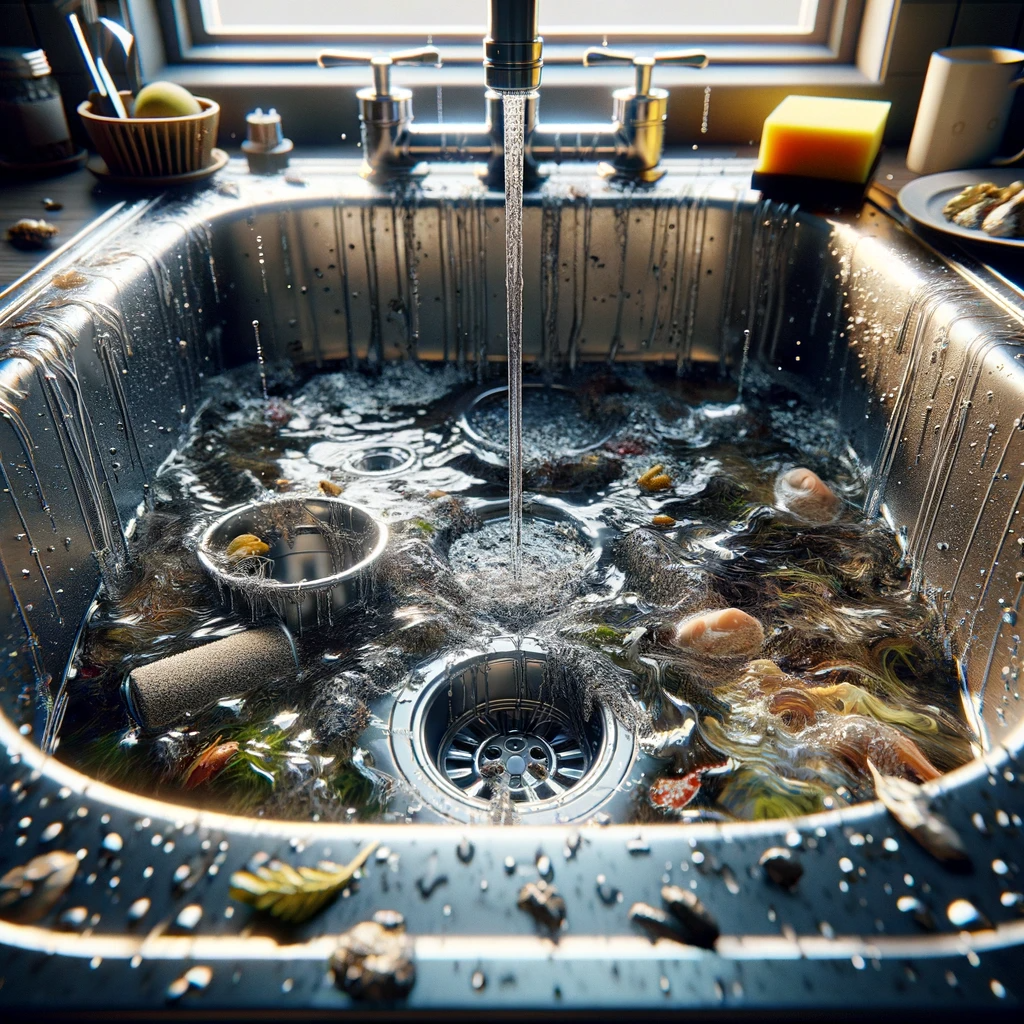
A clogged kitchen sink is one of the most annoying household problems. Food debris, grease, soap scum, and other gunk can slowly build up in the pipes until water barely trickles from your faucet. Fortunately, you don’t necessarily need to call a plumber right away. There are several easy DIY methods you can try to unclog a kitchen sink on your own.
This comprehensive guide will explore five DIY methods to clear clogs from your kitchen drain. We’ll explain what causes clogs, when you may need to call in a professional, and how to prevent clogs from forming in the first place. With some basic supplies and a little elbow grease, you can likely get your sink drainage flowing freely again.
What Causes Kitchen Sink Clogs?
Before we dive into the DIY unclogging methods, let’s look at some of the common causes of kitchen sink clogs:
- Food Waste – Food particles like coffee grounds, small chunks of vegetable/fruit peels, and grease or fat can stick to pipes walls and accumulate over time.
- Hair – Both human and pet hair can wind up the drain and get tangled in the pipes.
- Soap Scum – Most soaps contain fats, oils, and other residues that can slowly coat pipes.
- Foreign Objects – Small items like straws or bottle caps that accidentally get washed down the drain can get lodged and cause a blockage.
If you notice your water draining slower than usual, there’s likely some gunk buildup that needs clearing. Next, we’ll explore DIY methods to try from home before calling a plumber.
When to Call a Professional
While many sink clogs can be cleared with standard home solutions, sometimes it’s best to call in a professional plumber right away. Here are some instances when you’ll likely need to hire a pro:
- Water is overflowing from the sink and you can’t control the flow
- Multiple drains in your home are clogged (suggesting a larger line issue)
- You have sewage backing up from your toilet or bathtub drains
- You recently had work done on your sewer line
- You’ve tried several at-home methods with no success at clearing the clog
A trained plumber has specialized snakes, augers, high-pressure water jets, and drain cameras to evaluate troublesome clogs and remove them. They can also determine if the issue stems from your household pipes or the municipal sewer lines.
However, for routine sink clogs, try these DIY methods first before calling in reinforcements!
Method 1: Baking Soda and Vinegar
Baking soda and vinegar is a dynamic duo when it comes to DIY drain cleaning. When combined, these two ingredients create a chemical reaction that helps break down gunk. Here is a step-by-step guide:
What You Need
- 1 cup baking soda
- 1 cup white vinegar
- A sink or tub plug or a rag to block the drain opening
Step-By-Step Instructions
- Start by pouring about 1 cup of baking soda down the clogged sink drain. You really can’t use too much baking soda for this method. Pile it high right on top of the drain opening.
- Pour approximately 1 cup of vinegar directly over the baking soda pile. The vinegar will begin to fizz and bubble right away due to the chemical reaction.
- Plug the drain opening with a sink stopper, rag, or flat object to keep the foamy bubble contained in the pipes below. This allows the ingredients to work on breaking up the clog for 5-10 minutes.
- Once the bubbling has subsided, run very hot water into the drain for 1-2 minutes to help rinse away any gunk that was broken up below.
- If the drain remains fully clogged, wait 10 more minutes and then repeat the entire process once more.
The combination of hot, bubbling baking soda and vinegar is very effective for breaking up organic material like food waste, oils and grease that get stuck in pipe turns. Always make sure to give it a hot water chaser to help clear away any debris.
Method 2: Baking Soda and Salt
For stubborn sink clogs caused by materials like soap scum and hair, try mixing baking soda with salt instead of vinegar. Table salt is abrasive – so it will help scour the inside of pipes when combined with baking soda.
What You Need
- 1/2 cup baking soda
- 1/2 cup table salt
- Kettle of boiling water
Step-By-Step Instructions
- Mix the baking soda and salt together first in a measuring cup or bowl.
- Carefully pour the mixture down the blocked drain. Use a funnel if necessary.
- Let the mixture sit for several hours if possible. Overnight is best to allow the ingredients time to break down the clog fully.
- Boil a full kettle of water. Carefully pour the boiling water down the drain to help wash away any gunk.
- Repeat the entire process as often as needed if the clog persists.
The abrasive salt combined with the heat and chemical reaction from the baking soda often helps scrub away sticky gunk like hair, soap film, and old food waste that gets caught in traps. Be patient and allow the ingredients to work each time.
Method 3: Plunger
Cups and chemical reactions aren’t the only weapons in your sink unclogging arsenal. Sometimes a little physical manipulation is best – that’s where a standard plunger can come in handy. Here’s how to use this bathroom staple on your kitchen sink:
What You Need
- Plunger
- Dish soap
Step-By-Step Instructions
- Fill the blocked sink halfway with very hot water. Tip: The hotter the water the better, so boil some if you can.
- If the sink has an overflow hole, plug it with a wet rag to get a good seal.
- Quickly squirt some dish soap into the standing water and swirl gently to distribute (this helps lubricate the pipes).
- Turn the water off and place the plunger firmly over the drain hole to form a tight seal.
- Work the plunger up and down slowly to dislodge the clog and create suction. Repeat for several minutes.
- When you remove the plunger, run hot water to see if the blockage cleared. Use a strainer to catch any gunk that breaks free.
- Repeat as needed, refilling hot water each time.
Plunging uses both pressure and suction in an attempt to jar loose the material that’s clogging your pipes. The dish soap helps create bubbles and lubrication to help dislodge the gunk. With a few repetitions, many sink clogs will release.
Method 4: Boiling Water
For organic material like grease, boiling water can help melt and wash away the clog. This method works well after you’ve tried other drain combinations first to help clear their remnants.
What You Need
- Kettle or pot for boiling water
Step-By-Step Instructions
- Boil a full kettle of water.
- Remove it from the heat source.
- Carefully pour the hot water directly into the blocked drain. Aim for the back area of the pipe bend.
- Let the boiling water sit for up to 5 minutes to penetrate, dissolve, and soften the clog.
- Flush the drain with very hot tap water for 1-2 minutes.
- Repeat boiling water treatment as needed until the drain is clear.
The heat and agitation from the boiling water often helps shift even the stickiest, oiliest gunk. Allowing it to soak helps break things down even more. It’s safe for your pipes as long as you flush with cool water after.
Method 5: Cleaning with a Snake Tool
For really stubborn clogs that resist liquid treatments, physically snaking the drain might be needed. This manual tool feeds a flexible metal cable down the pipes to hook and maneuver clogs until they dislodge.
What You Need
- Drain snake tool (can buy or rent)
- Bucket
- Work gloves
Step-By-Step Instructions
- Remove the curved pipe (called the P-trap) underneath the sink to access the drain. Place a bucket underneath to catch water.
- Feed the drain snake cable into the sink opening and twist gently.
- Once you meet resistance from a clog, twist the snake in short motions to work through the material and hook it.
- Slowly pull out the snake once the clog is hooked to extract it. Have the bucket underneath to catch any loose debris.
- Repeat at least three times in different directions (even if water starts flowing again) to ensure you clear all debris.
- Once finished, clean off the end of the snake. Wash your hands!
- Reattach the cleaned P-trap once drain is fully clear.
Snaking physically clears out collected gunk in your kitchen sink and is the most complete way to fully unclog pipes manually. Always snake a drain in a few passes since clogs can trap material behind and underneath them.
Also Read: Under-Sink Water Filters: Easy Installation Guide
Tips for Preventing Future Clogs
Prevention is the best medicine when it comes to pore drain clogs. Here are tips for keeping your kitchen pipes clear long-term:
- Use drain catchers – Invest in fine mesh catchers and strainers for all drains to help catch food, hair, and debris before it enters pipes
- No grease down drains – Let cooked fats, oil and grease solidify and dispose in the trash instead of pouring down drains.
- Take apart pipes to clean – Annuably unscrew pipes to wipe away hidden gunk, grime and hair lurking in hidden cracks.
- Flush with hot water – Make it a habit to flush drains with hot water during and after use to keep flow swift.
- Clean with baking soda – Pour baking soda down drains monthly to freshen, deodorize and prevent buildup.
- Mind dish soap – Use minimal amounts and avoid antibacterial varieties which leave thick residues.
When to Call for Backup
As you try these DIY methods, make sure to give them plenty of time, hot water, and repetitions to work properly before assuming your clog issue has home remedy failure.
However, if none of them make even a dent in your drainage and water starts pooling dangerously fast in your sink or tub basin, it’s time to cut your losses. Water damage is not worth ignoring the issue further. Call a professional plumber at that point to prevent flooding disasters!
With a few cheap pantry supplies and some mechanical maneuvering, you can likely clear many basic kitchen sink clogs yourself. But don’t hesitate to call in the experts when needed either.